Abstract
Fortified rice is an emerging vehicle for micronutrient delivery, designed to mimic the appearance, cooking behavior, and organoleptic properties of natural milled rice. This guide provides a step-by-step technical manual for industrial-scale production of extruded fortified rice kernels (FRK). Coverage includes formulation science, extrusion technology, drying kinetics, coating systems, blending ratios, quality assurance protocols, regulatory frameworks, and troubleshooting common defects. The intended audience includes food technologists, production managers, and quality assurance personnel in rice fortification facilities.
1. Introduction: Rationale for Rice Fortification
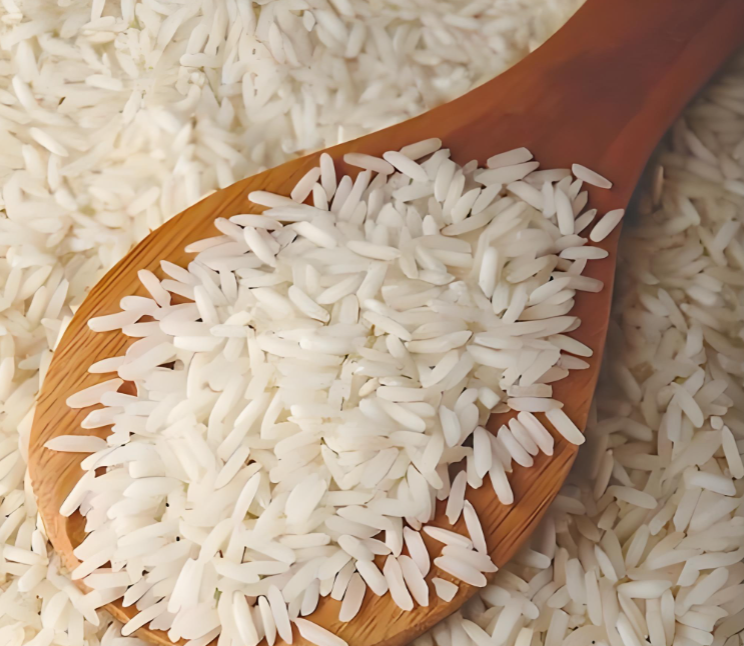
Rice is the staple food for more than 3.5 billion people globally. However, milled rice loses 75–90% of its intrinsic micronutrients (thiamine, niacin, iron, zinc) during polishing. Fortification restores and exceeds natural levels of critical nutrients including vitamin A, folic acid, iron, and zinc. The World Health Organization (WHO) recommends rice fortification as a cost-effective public health intervention where rice consumption exceeds 300 g/person/day.
1.1 Three Technical Routes for Fortified Rice Production
- Coating method (obsolete): Spraying nutrient solution onto milled rice. Poor retention after washing.
- Dusting method (limited use): Adhering powdered premix with edible oil. Nutrient segregation during transport.
- Extrusion method (current industry standard): Producing engineered rice-shaped kernels from rice flour, nutrient premix, and binders.
This guide focuses exclusively on hot extrusion (twin-screw extruders) – the only method yielding wash-resistant, thermally stable fortified rice kernels (FRK) that maintain shape and nutrient retention after cooking.
2. Raw Materials and Ingredient Specifications
2.1 Base Flour Composition
| Component | Proportion (w/w) | Specification |
|---|---|---|
| Rice flour | 70–85% | Broken rice (100% pass through 120 mesh), moisture 10–12%, amylose 20–28% |
| Tapioca starch | 5–15% | Binder and texturizer, amylopectin >80% |
| Modified starch | 2–5% | Hydroxypropylated or cross-linked; improves cold-water swelling |
| Rice bran | 0–5% | Defatted, micronized; improves lipid binding |
Critical note: High amylose rice varieties (e.g., IR64, Basmati-type) produce FRK that remain intact during cooking. Waxy rice (zero amylose) results in sticky, disintegrating kernels.
2.2 Vitamin and Mineral Premix
A standard multi-micronutrient premix (per kg of final FRK):
| Micronutrient | Compound | Concentration in FRK |
|---|---|---|
| Iron (encapsulated) | Ferric pyrophosphate or NaFeEDTA | 6–10 mg |
| Zinc | Zinc oxide or zinc sulfate | 6–10 mg |
| Vitamin A | Retinyl palmitate (250 CWS) | 600–800 µg RE |
| Folic acid | Pteroylmonoglutamic acid | 150–200 µg |
| Vitamin B12 | Cyanocobalamin (0.1% spray-dried) | 2–4 µg |
| Thiamine (B1) | Thiamine mononitrate | 1–2 mg |
| Niacin (B3) | Nicotinamide | 10–15 mg |
Encapsulation requirement: Iron and vitamin A must be lipid-encapsulated (hydrogenated palm stearin or modified starch matrix) to prevent pro-oxidant reactions and off-flavors during storage.
2.3 Processing Aids and Binders
- Emulsifiers: Monoglycerides (0.2–0.5%) – improves flour hydration.
- Calcium carbonate (0.5–1.0%) – pH buffer; prevents acid-catalyzed vitamin degradation.
- Antioxidants: Mixed tocopherols (0.05%) + ascorbyl palmitate (0.03%) – protects vitamin A and polyunsaturated lipids.
- Water: Potable, 25–35% of total formula weight (final dough moisture 28–32%).
3. Production Process Flow Diagram
Rice broken → Cleaning → Grinding (hammer mill) → Sieving (120 mesh)
                                                        ↓
Premix vitamins + minerals → Dry blending (ribbon blender, 15 min)
                                                        ↓
                Addition of water + emulsifiers → Wet mixing (high-shear, 5 min)
                                                        ↓
                      Conditioning (60°C, 20 min, sealed vessel)
                                                        ↓
                     Extrusion (twin-screw, 90–110°C barrel)
                                                        ↓
                         Die plate (rice-shaped orifices)
                                                        ↓
                       Rotary cutter (adjustable speed)
                                                        ↓
              Pre-drying (vibrating fluid bed, 80°C, 6 min)
                                                        ↓
                   Main drying (belt dryer, 40–50°C, 4–6 h)
                                                        ↓
                       Cooling (ambient air, to <35°C)
                                                        ↓
           Screening (vibratory sifter, 2 mm and 4 mm meshes)
                                                        ↓
           Blending with natural milled rice (1:50 to 1:200 ratio)
                                                        ↓
                     Packaging (nitrogen-flushed, UV-barrier bags)
4. Detailed Unit Operations
4.1 Cleaning and Grinding
Equipment: Indented cylinder + destoner + magnet + hammer mill.
Procedure:
- Pass broken rice through cleaning system: remove stones, husk fragments, iron particles, and immature grains.
- Mill to flour in two stages:
- Coarse grinding (screen 0.8 mm)
- Fine grinding (screen 0.3 mm) – ensure 100% passing 125 µm (120 mesh).
- Monitor flour temperature (should not exceed 50°C to avoid amylopectin retrogradation).
Quality check: Particle size distribution (laser diffraction): D90 < 120 µm. Coarse particles cause die clogging and rough surface texture.
4.2 Dry Blending of Premix and Flour
Equipment: Ribbon blender (double spiral), capacity 500–2000 kg batch.
Procedure:
- Geometric dilution technique:
- Step 1: Mix 1 kg premix with 10 kg rice flour (hand-blended in polyethylene bag).
- Step 2: Transfer to blender containing 200 kg rice flour. Blend 5 min.
- Step 3: Add remaining flour. Blend additional 10 min.
- Critical parameter: Blend uniformity target RSD < 5% (sample 10 random grabs, assay vitamin A or iron).
4.3 Wet Mixing and Conditioning
Equipment: High-shear paddle mixer (e.g., Diosna or Lödige) + jacketed conditioning tank.
Water calculation:
- Target dough moisture: 30% wet basis.
- If flour moisture = 11%, then:
- Water to add (kg) = (Target moisture – Flour moisture) × Flour mass / (100 – Target moisture)
- Example: 1000 kg flour at 11% moisture. Target 30% moisture.
Water = (30-11) × 1000 / (70) = 271.4 kg.
Mixing steps:
- Add dry blend to mixer, start agitation (60 rpm).
- Add emulsifiers and antioxidants pre-dispersed in 10% of the water.
- Add remaining water over 60 seconds.
- Mix for 5 minutes after all water added. Dough temperature should reach 35–40°C.
Conditioning: Transfer dough to jacketed vessel. Hold at 60°C for 20 minutes (starch partial gelatinization increases viscosity and binding).
4.4 Extrusion: The Heart of FRK Production
Equipment: Co-rotating twin-screw extruder (L/D ratio 20:1 to 25:1, screw diameter 50–120 mm). Example models: Coperion ZSK, Bühler BCTN, Clextral EVOLUM.
Extruder temperature profile (five zones):
| Zone | Function | Temperature (°C) |
|---|---|---|
| 1 (feeding) | Conveying | 25–30 |
| 2 (kneading) | Mixing | 60–70 |
| 3 (cooking) | Gelatinization | 90–100 |
| 4 (cooling) | Viscosity control | 70–80 |
| 5 (die) | Shaping | 80–85 |
Screw configuration (from feed to die):
- Conveying elements (pitch 40 mm) – 4 sets
- Kneading blocks (45° offset) – 3 sets
- Reverse elements (pitch -20 mm) – 1 set (creates pressure)
- Mixing paddles (60° forward) – 2 sets
- Conveying elements (pitch 20 mm) – final compression
Operating parameters:
- Screw speed: 250–400 rpm
- Throughput: 80–150 kg/h per 10 mm screw diameter (rule of thumb)
- Specific mechanical energy (SME): 120–180 kWh/ton
- Die pressure: 40–80 bar (monitor with pressure transducer)
Die plate design:
- Orifice shape: Oval (2.5 mm × 1.2 mm) or half-moon (to mimic natural rice grain).
- Number of holes: 500–2000 depending on extruder size.
- Land length: 3–5 mm (longer land increases pressure and kernel density).
Cutting system:
- Rotary knife positioned flush against die face.
- Knife speed = 600–1200 rpm.
- Kernel length control: Knife rpm = (Screw rpm × throughput factor) / Desired length (e.g., 7–8 mm length typical).
4.5 Drying and Stabilization
Fresh extruded FRK exits at 75–85°C with 28–32% moisture. Rapid drying causes cracking; slow drying permits microbial growth.
Two-stage drying protocol:
Stage 1: Fluid bed pre-drying
- Air temperature: 80°C inlet, 50°C outlet
- Air velocity: 1.5–2.0 m/s (below entrainment velocity for 3 mm kernels)
- Residence time: 6–8 minutes
- Moisture reduction: from 30% to 18–20%
Stage 2: Belt drying (tempering)
- Belt speed: 0.05–0.10 m/s
- Zone 1 (50°C, 2 hours) – remove unbound water
- Zone 2 (40°C, 2 hours) – slow diffusion
- Zone 3 (ambient air, 30–40 minutes) – final equilibration
Final moisture specification: 10–12% (water activity Aw = 0.55–0.60).
Drying defects prevention:
- Cracks: Reduce drying rate (increase humidity in first zone to 35% RH).
- Case hardening: Do not exceed 60°C kernel temperature.
- Stickiness: Apply 0.1% rice bran oil spray after pre-drying.
4.6 Screening and Polishing
Screening:
- Overs ( > 4.5 mm) – regrind and recycle at ≤10% of fresh flour.
- Fines ( < 2.0 mm) – discard or use in animal feed.
- Acceptable range: 80% of FRK between 6.5–8.5 mm length, 1.8–2.2 mm diameter.
Optional polishing: Light tumbling in a centrifugal polisher (3–5 seconds) with 0.2% rice bran oil + 0.02% titanium dioxide (white pigment). This improves appearance and reduces dust.
5. Blending Fortified Kernels with Natural Rice
5.1 Target Dilution Factors
The blending ratio depends on the premix concentration in FRK vs. desired final fortified rice.
Example calculation:
- Premix designed such that FRK contains 200 mg iron per kg.
- Final fortified rice target = 4 mg iron per kg.
- Blending ratio = 200/4 = 50:1 (i.e., 1 kg FRK + 49 kg natural rice).
Typical ratios:
- 1:50 to 1:200 (global practice)
- 1:100 (most common – balances cost and distribution homogeneity)
5.2 Blending Equipment
Batch blending: Double-cone blender or V-blender. Fill 60% of volume, rotate 20 rpm for 10 minutes.
Continuous blending: Volumetric or gravimetric feeders (loss-in-weight for FRK, belt feeder for natural rice) discharging into a mixing screw (dynamic blender) or a rotating drum (static mixer).
5.3 Homogeneity Verification
Sample 10 bags from each 1-ton lot. Assay for a tracer (e.g., riboflavin or iron). Acceptance criterion: Coefficient of variation < 15% (Codex Alimentarius standard).
6. Quality Control and Analytical Methods
6.1 In-Process Quality Checks
| Parameter | Method | Frequency | Target |
|---|---|---|---|
| Flour particle size | Sieve #120 | per batch | 100% passing |
| Dough moisture | Halogen moisture analyzer | per 30 min | 28–32% |
| Extruder die temperature | Thermocouple | continuous | 80–85°C |
| Kernel length (wet) | Digital caliper (50 pcs) | per hour | 7.5 ± 0.5 mm |
| Kernel integrity | Visual inspection after 10 min boiling | per hour | >95% intact |
6.2 Finished Product Testing
Appearance:
- Color: Compare to standard rice using colorimeter (L value > 70, a value < 2.0).
- Shape: 100% rice-mimetic (no tails, no doublets).
Cooking quality:
- Boil 20 g FRK + 980 g natural rice in 2 L water for 15 minutes.
- Drain and spread on white tray.
- Count broken FRK. Pass if <5% broken.
Micronutrient retention (wash and cook test):
- Simulate household washing: Rinse 100 g blend in 500 mL water for 30 seconds (gentle agitation). Discard water.
- Cook in 3× volume water for 15 minutes.
- Drain cooking water. Assay FRK for iron and vitamin A.
- Acceptance: ≥85% retention for encapsulated iron, ≥70% for vitamin A.
Stability study:
- Store finished fortified rice at 40°C / 75% RH (accelerated conditions).
- Sample at 0, 1, 2, 3 months.
- Vitamin A degradation should not exceed 20% at 3 months.
6.3 Microbiological Limits (per gram)
| Organism | Limit |
|---|---|
| Total plate count | < 10⁴ CFU/g |
| Yeast and mold | < 10² CFU/g |
| Coliforms | < 10 CFU/g |
| Salmonella | Absent in 25 g |
7. Troubleshooting Common Defects
7.1 FRK Disintegrate During Cooking
Causes and solutions:
- Insufficient starch gelatinization → Increase extruder zone 3 temperature to 95–100°C.
- Low amylose content → Blend in 10% high-amylose rice flour (e.g., long-grain).
- Over-drying (moisture <8%) → Increase final moisture to 10–12%.
7.2 Surface Cracking or Pitting
Causes:
- Rapid moisture loss in pre-dryer.
- Die land too short (low back pressure).
- Solutions: Reduce fluid bed temperature to 70°C; increase die land to 4 mm.
7.3 Nutrient Loss During Extrusion
Vitamin A degradation is most sensitive. Acceptable loss <15%. Prevention:
- Inert atmosphere in feeder hopper (nitrogen purge).
- Reduce barrel temperature in zone 5 to 70°C.
- Use encapsulated vitamin A with cross-linked starch coating.
7.4 FRK Floats on Water
Density too low due to expansion (puffing). Fix:
- Increase cooling zone length (reduce die temperature to 75°C).
- Increase screw compression ratio (use more reverse elements).
- Add 2% calcium carbonate as a density agent.
8. Packaging and Storage Recommendations
8.1 Packaging Materials
Three-layer laminated structure:
- Outer: BOPP (biaxially oriented polypropylene) – 20 µm (printability, moisture barrier).
- Middle: Aluminum foil – 9 µm (oxygen and light barrier – critical for vitamin A).
- Inner: LLDPE (linear low-density polyethylene) – 50 µm (heat sealability).
Oxygen transmission rate (OTR): < 5 cm³/m²/day at 23°C, 50% RH.
Water vapor transmission rate (WVTR): < 0.5 g/m²/day.
8.2 Modified Atmosphere Packaging (MAP)
- Vacuum: 700–750 mm Hg.
- Nitrogen back-flush to 0.5% residual oxygen.
- Oxygen scavenger sachet (iron-based) optional for 12+ month shelf life.
8.3 Storage Conditions
- Temperature: 15–25°C (avoid >30°C to prevent vitamin A loss).
- Relative humidity: <65% (prevents mold and caking).
- Shelf life: 12 months (typical), 18 months with MAP + refrigerated storage.
8.4 Labeling Requirements (per WHO/FAO)
Mandatory statements:
- “Fortified Rice – Do Not Wash Excessively”
- “Blend contains [X]% fortified kernels”
- Nutrient declaration (per 100 g as consumed)
- Storage instruction: “Store in a cool, dry place away from sunlight”
9. Regulatory and Safety Considerations
9.1 Maximum Permissible Levels (Codex Alimentarius, 2023)
| Nutrient | Maximum per 100 g rice |
|---|---|
| Iron | 12 mg (elemental) |
| Zinc | 10 mg |
| Vitamin A | 800 µg RE |
| Folic acid | 400 µg |
9.2 HACCP Critical Control Points
| CCP | Hazard | Critical Limit | Monitoring |
|---|---|---|---|
| CCP1: Extrusion | Pathogen survival (Bacillus cereus) | Minimum 85°C for 15 sec | In-line temperature logger |
| CCP2: Drying | Aflatoxin growth | Moisture <12% within 4 hours | Sampling every 30 min |
| CCP3: Metal detection | Ferrous fragments | No Fe > 1.0 mm | Calibrated detector before each batch |
9.3 Allergen Management
Rice flour is gluten-free. However, if same line processes wheat, implement:
- Dedicated color-coded tools for rice line.
- Allergen swab test (ELISA for gluten) < 20 ppm.
10. Economic and Sustainability Considerations
10.1 Cost Breakdown (per ton of FRK)
| Item | Cost (USD) |
|---|---|
| Broken rice (1.2 tons) | 360 |
| Premix (vitamins + minerals) | 180 |
| Starch and binders | 40 |
| Energy (extruder + dryer) | 35 |
| Labor and QC | 50 |
| Packaging (25 kg bags) | 30 |
| Total | 695 |
Typical selling price: $1,000–1,500/ton FRK. Blended fortified rice sells at $0.50–0.80/kg (premium of 5–10% over regular milled rice).
10.2 Energy Efficiency Opportunities
- Recover dryer exhaust heat to preheat extruder feed water (saves 10–15% energy).
- Use variable frequency drives on extruder motors.
- Install insulation on barrel zones 3–5.
10.3 Byproduct Utilization
- Screening fines (<2 mm): Sell as animal feed supplement (contains active nutrients).
- Reground oversized kernels: Recycle at max 10% of formulation without affecting quality.
11. Appendix: Example Production Record Sheet
| Time | Batch ID | Extruder RPM | Die Temp (°C) | Moisture (%) | Kernel Length (mm) | Visual Integrity | Operator |
|---|---|---|---|---|---|---|---|
| 08:00 | 230515-01 | 300 | 82 | 29.5 | 7.45 | Pass | J.M. |
| 09:00 | 230515-01 | 305 | 81 | 30.1 | 7.52 | Pass | J.M. |
| … | … | … | … | … | … | … | … |