Every year, billions of dollars are spent on commercial dog food worldwide. The packaging promises “real meat,” “wholesome ingredients,” and “complete nutrition.” But behind the glossy labels and heartwarming images of happy dogs lies an industrial processing system that bears little resemblance to the wholesome meals the marketing suggests. dog food machine price What most pet owners don’t know about how their dog’s food is manufactured is enough to make anyone think twice before filling that bowl.
The Rendering Industry: Where Pet Food Really Comes From
The foundation of most commercial dog foods begins not in a kitchen, but in rendering plants—industrial facilities that process animal waste into usable materials. Rendering involves placing livestock carcasses and “leftovers” from the human food industry into enormous vats, grinding them up, and cooking them for hours at high temperatures. This process separates fat, removes water, and kills bacteria, but it also transforms what is essentially waste into the protein meal that becomes the primary ingredient in countless pet foods.
Perhaps most disturbing is the concept of “4D” meat—animals that are dead, dying, diseased, or disabled when they arrive at the slaughterhouse. Because the rendering process can eliminate infectious agents, 4D animals are legally allowable ingredients in pet food. The major source of animal protein in commercial pet foods often comes from dead-stock removal operations that supply these 4-D animals. While some reputable manufacturers claim to avoid these ingredients, the industry standard does not prohibit their use.
By-Products: The Euphemism for Leftovers
When you see “chicken by-product” or “meat meal” on a dog food label, what does it really mean? By-products include lungs, spleen, kidneys, brain, blood, bone, fatty tissue, and stomachs and intestines—essentially everything left over after the muscle meat has been removed for human consumption. Meat meal is created by cooking (rendering) animal tissues, excluding blood, hair, hoof, horn, hide trimmings, manure, and stomach contents.
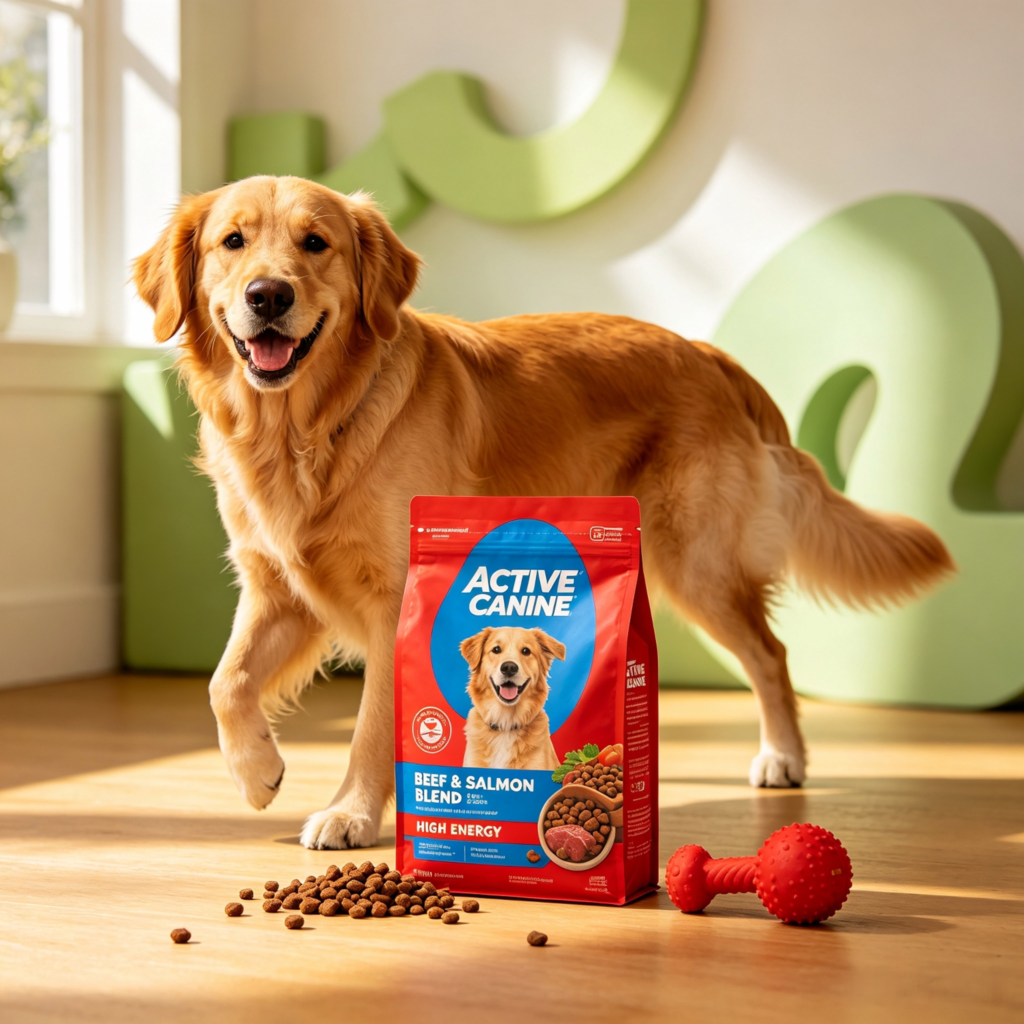
These ingredients provide a cheap way for pet food companies to keep protein levels seemingly high on the label, but the nutritional quality of these proteins is often questionable. The nutrient composition can vary dramatically from batch to batch. All rendered products are considered “unfit for human consumption”. As one veterinary expert put it: “If we shouldn’t eat it, neither should our pets!”
From Slurry to Kibble: The Extrusion Process
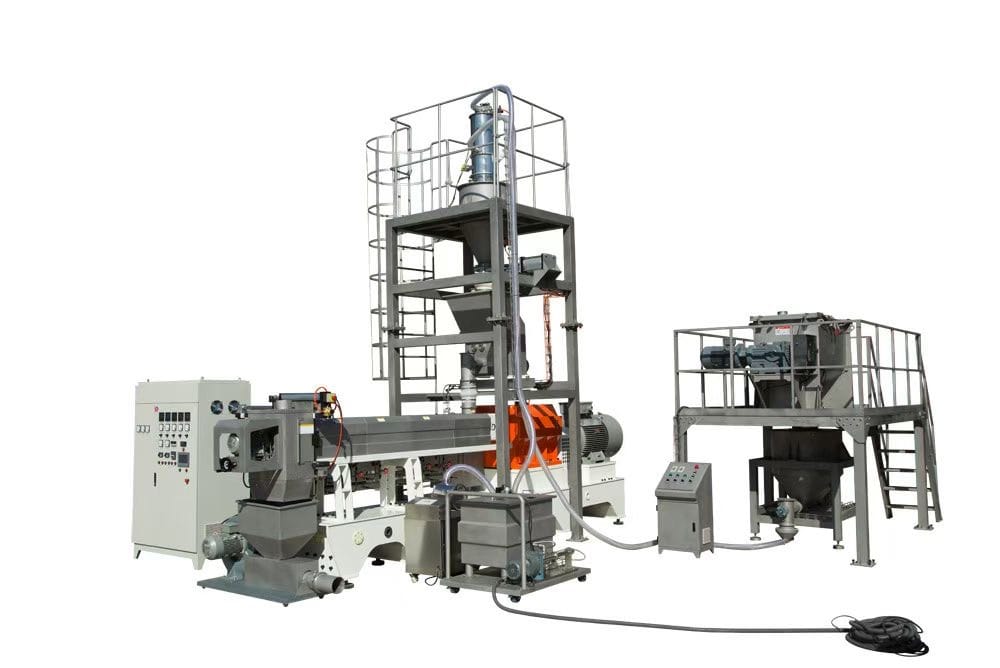
Once the rendered meals and other ingredients are assembled, they undergo extrusion—the most common manufacturing method for dry dog food. dog food machine price The process begins with mixing all ingredients—meats, grains, vitamins, and minerals—into a slurry. This mixture is then fed into an extruder, a machine that cooks the product using steam, water, and intense friction.
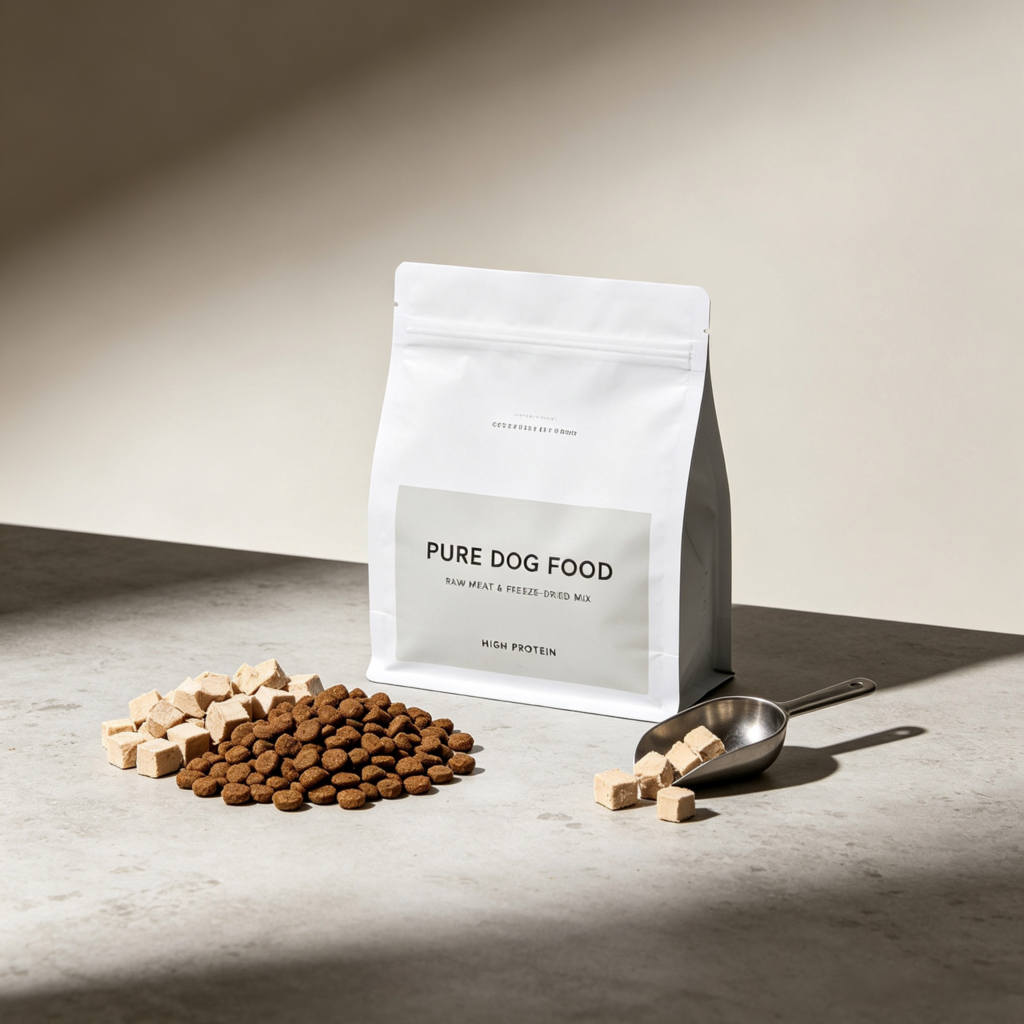
The temperatures involved are extreme. Extrusion typically occurs at temperatures between 80°C and 200°C (176°F to 392°F), with pressures reaching 100 to 600 psi. The mixture is forced through a die under these conditions, emerging as the familiar kibble shapes, which are then dried to a moisture level of around 10%. Fat and artificial flavorings are often sprayed on after drying to make the final product palatable.
The Hidden Cost of High-Heat Processing
The extreme heat used in extrusion does more than just cook the food—it fundamentally alters its nutritional quality. Thermal processing triggers the Maillard reaction, a chemical reaction between amino acids and sugars that creates browning and flavor. However, this same reaction produces harmful compounds known as Maillard reaction products (MRPs), which can compromise nutritional quality and pose health risks.
Research has shown that kibble diets demonstrate significantly higher nutrient damage compared to fresh foods. One study found that fresh foods had higher lysine content (56 g/kg) compared to kibble (23 g/kg), and lower lysine blockage (3.2% versus 4.9%). The heat-induced contaminants associated with these reactions—including acrylamide, advanced glycation end-products (AGEs), and α-dicarbonyl compounds—have been linked to mutagenic, carcinogenic, chronic inflammatory, and degenerative effects. Acrylamide was detected in kibble samples at levels of 40 and 76 µg/kg.
Toxic Metal Contamination
Beyond the processing issues, the ingredients themselves carry hidden dangers. A 2025 study examining commercial dog foods found toxic metals present in every sample tested. Chromium and mercury were found in all dog food samples. The study identified lead (Pb), cadmium (Cd), chromium (Cr), mercury (Hg), and arsenic (As) as persistent contaminants. Some samples exceeded regulatory limits for lead and chromium. The acute hazard index analysis revealed that both cats and dogs face potential dietary exposure risks to these toxic metals, with chromium posing the most significant risk, followed by lead and arsenic.
The Labeling Deception
Perhaps the most cynical aspect of the industry is how manufacturers manipulate labeling to deceive consumers. Investigative reporting has revealed that ingredient lists are often fabricated—”written to look good rather than reflect reality”. One manufacturer openly admitted that the 36% crude protein guarantee on their dog food—double the national standard—was purely for show, impossible to achieve at the product’s $4,000-per-ton price point.
The deception goes further. Products advertised as containing 52% chicken and 20% fresh chicken breast contained no fresh meat at all—just chicken meal. Some manufacturers skip even that, substituting feather meal instead—a protein source that boosts crude protein numbers on the label but is largely indigestible to dogs. Others use leather scraps scraped of fat, dried and ground into powder to impersonate protein.
To address toxin contamination in these substandard ingredients, manufacturers add montmorillonite (a type of clay) at levels up to 5%—far exceeding the recommended 0.2% for mold toxin control. Excessive montmorillonite consumption can lead to kidney failure in pets. One industry insider admitted: “We use the worst ingredients to make the most expensive pet food—that’s the industry’s unspoken rule”.
What Pet Owners Can Do
The revelations about dog food manufacturing are unsettling, but they don’t mean all commercial pet foods are equally harmful. Pet owners can take several steps to make informed choices:
Read labels critically. Be wary of vague terms like “meat meal,” “animal by-product,” or “poultry by-product meal.” Look for named protein sources (e.g., “chicken,” “salmon”) and specific organ meats.
Understand the difference between “chicken” and “chicken meal.” Chicken contains about 70% water, while chicken meal is concentrated protein with only 10% moisture. A product with “chicken” as the first ingredient may actually contain less protein than one with “chicken meal” once water is accounted for.
Consider alternative processing methods. Cold-pressed and low-temperature baked foods undergo less thermal stress than extruded kibble, potentially preserving more nutrients and generating fewer harmful compounds. Some manufacturers now use gentler cooking at precise temperatures (around 82°C) to protect proteins.
Research the manufacturer. Look for companies that are transparent about their sourcing and manufacturing processes. Reputable manufacturers typically avoid 4D meats and will state this clearly.
Be skeptical of marketing claims. “Natural,” “premium,” and “holistic” are largely unregulated terms. The only thing that matters is what’s actually in the bag—and how it got there.
The dog food industry has built a multi-billion dollar empire on the love people have for their pets. But that love shouldn’t blind us to the uncomfortable truth about how most commercial dog food is made. Our dogs trust us to feed them well—they deserve to know what’s really in their bowl.