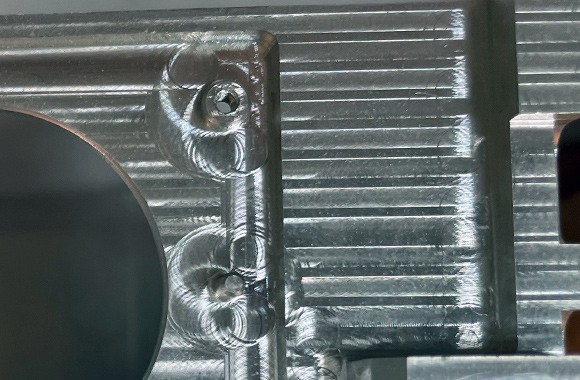
Coming out of the machine after processing, our parts are cleaned of any sharp edges and burrs while retaining marks. With no added materials, the finish gives parts a surface roughness of 3.2 μm (126 μin).
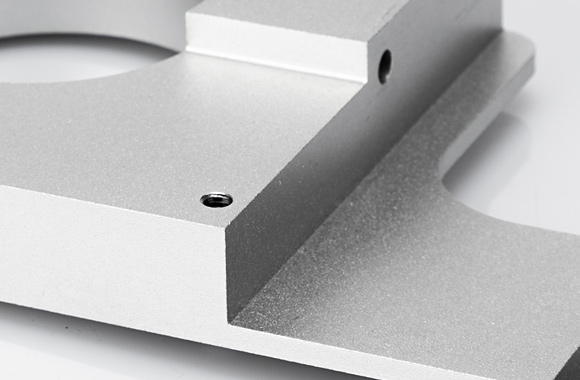
Bead blasting cleans the surface of any impurities and peels coating through the propelling of blast media streams over the parts.
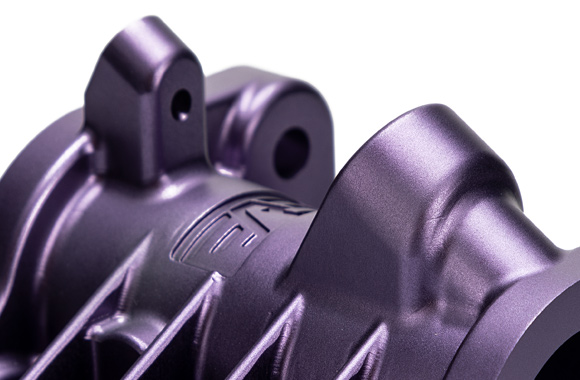
To increase surface hardness and dissipate heat, we use anodizing techniques to enhance the look of parts and blend well for painting and priming.
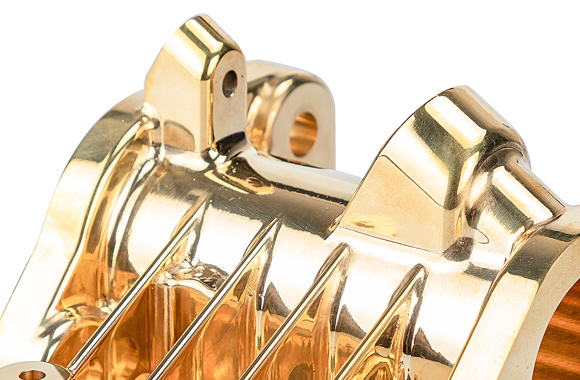
Electroplating reduces metal cations in the electrolyte solution, producing a metallic coating on a metal surface. This process can be used for purposes of corrosion and wear resistance, as well as for decorative purposes.
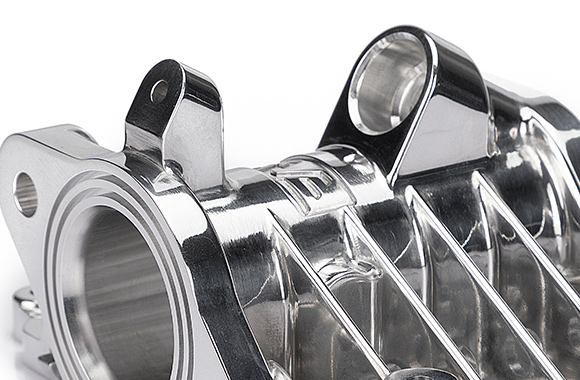
Working on metal and hard plastics, our polishing uses highly efficient machinery to get our parts between Ra 0.8~Ra0.1 for a cleaner surface.
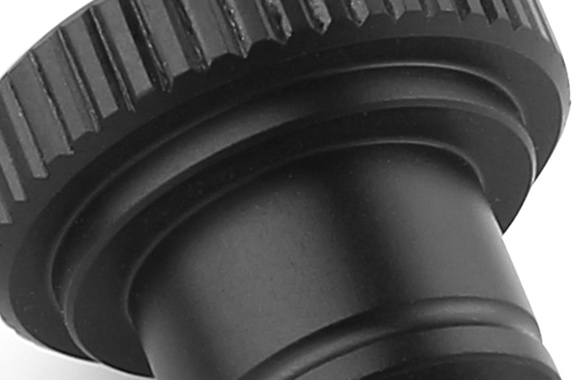
We apply a thin layer of protective polymer with the corona discharge phenomenon to give our part a lasting finish that protects from impacts and prevents wearing down.
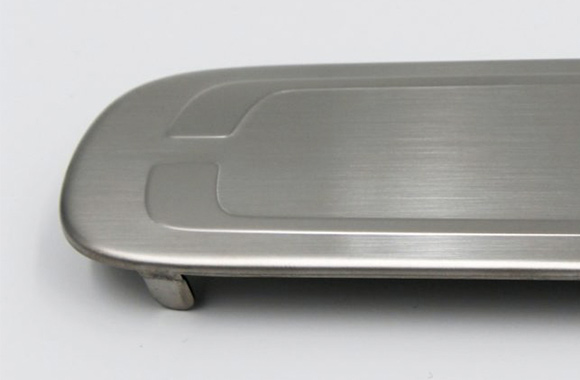
Our brushing technique uses abrasive belts over the material to create diverse patterns that match the parts’ structure and color.
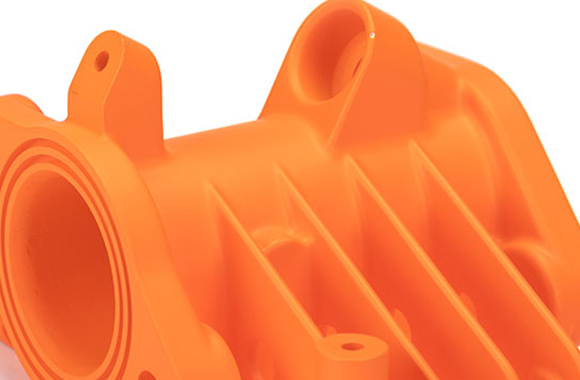
Spray droplets can be dispersed uniformly or in fine amounts to cover a wide surface area and bring out greater color to the part.
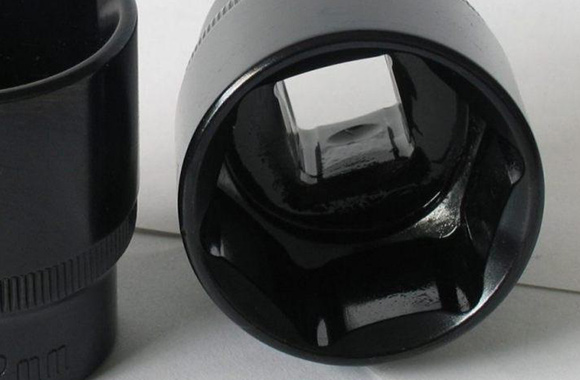
Adding layers to metallic surfaces like steel, our black oxide technique improves appearance while maintaining durability.
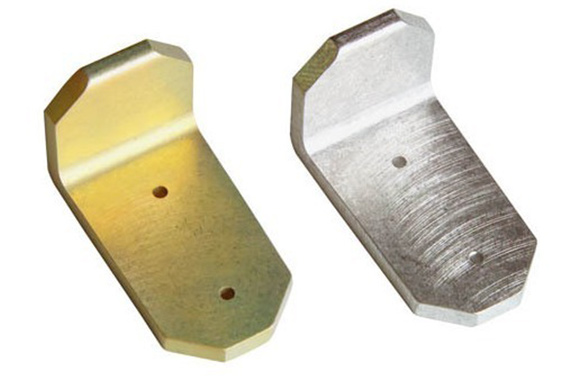
We use chromate conversion coating or alodine to protect aluminum and other materials from corrosive elements, usually done before priming and painting parts.
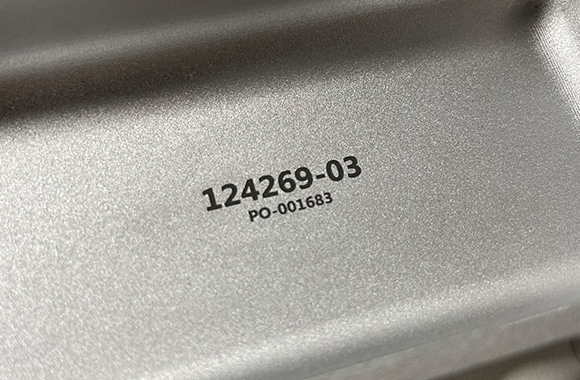
Helpful in brand recognition or parts organization, we use part marking that applies various printing methods during full-scale production to quickly embed barcodes, lettering and logos on the parts,
| Name | Description | Materials | Color | Texture | Price | Link | |
|---|---|---|---|---|---|---|---|
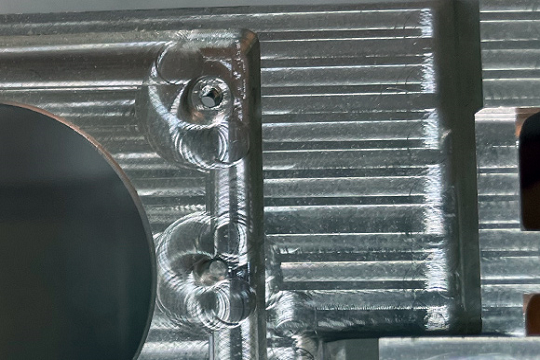
| As-machined | The standard finish for our parts, the “as machined” finish, has a surface roughness of 3.2 μm (126 μin), which removes sharp edges and deburs parts cleanly. | All materials | n/a | Stain | $ | / |
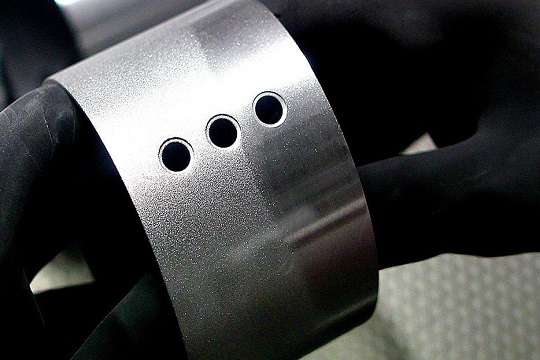
| Bead Blasting | Bead blasting is the process of powerfully propelling, generally with high pressure, a stream of blast media against a surface to remove unwanted coating layers and surface impurities. | Aluminum, Steel, Stainless Steel, Brass, Copper | n/a | Matte | $ | Learn More>> |
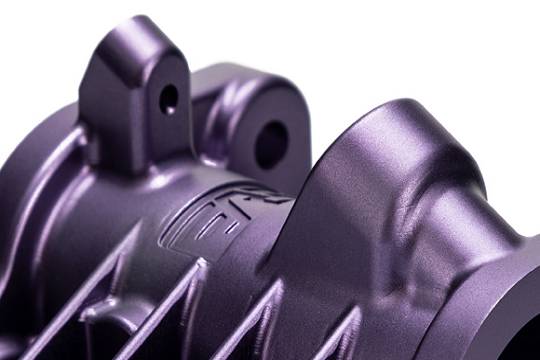
| Anodizing | Keeping our parts in the long term, our anodizing process resists corrosion and wear. It’s also an ideal surface treatment for painting and priming, and it looks great too. | Aluminum | Clear, black, grey, red, blue, gold | Smooth, matte finish | $$ | Learn More>> |
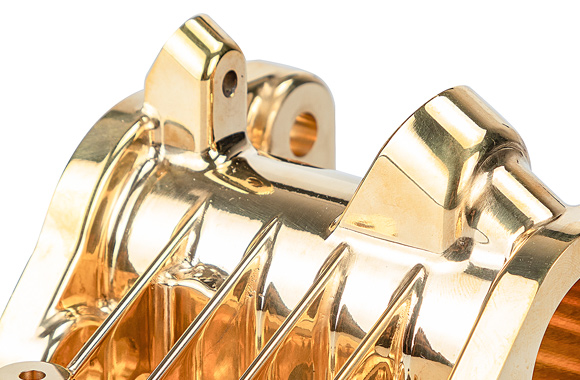
| Electroplating | Electroplated coating preserves the surface of parts and resists rusts and other defects from causing decay by applying electric currents to reduce metal cations. | Aluminum, steel, stainless steel | Gold, silver, nickel, copper, brass | Smooth, glossy finish | $$$ | Learn More>> |
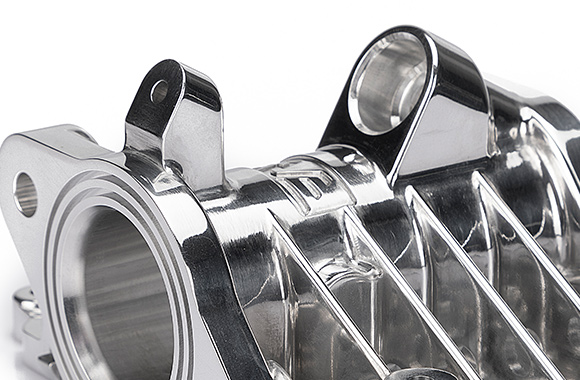
| Polishing | Ranging from Ra 0.8~Ra0.1, polishing processes use an abrasive material to rub the part’s surface to make the shine more less shiny, depending on your requirements. | All materials | n/a | Smooth, glossy finish | $$$$ | Learn More>> |
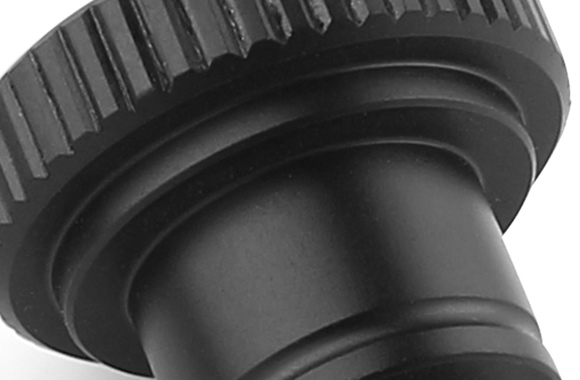
| Powder Coating | Using corona discharge, we make the powder coating adsorbed to the part, creating a more wear-resistant layer with a typical thickness ranging from 50 μm up to 150 μm. | All metal materials | Custom | Glossy | $$$ | Learn More>> |
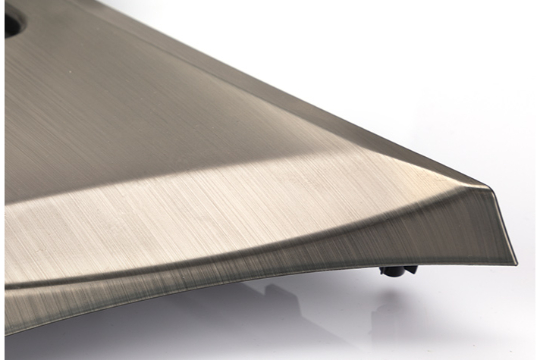
| Brushing | Brushing is a surface treatment process in which abrasive belts are used to draw traces on the surface of a material, usually for aesthetic purposes. | ABS, Aluminum, Brass, Stainless Steel, Steel | n/a | Satin | $$ | Learn More>> |
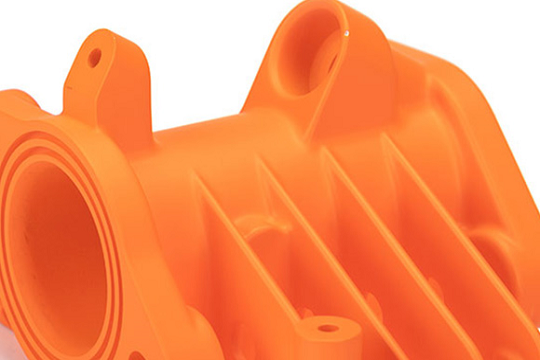
| Painting | Painting involves spraying a layer of paint onto the surface of the part. Colors can be matched to a Pantone color number of the customer’s choosing, while finishes range from matte to gloss to metallic. | Aluminum, Stainless Steel, Steel | Custom | Gloss, semi-gloss, flat, metallic, textured | $$$ | Learn More>> |
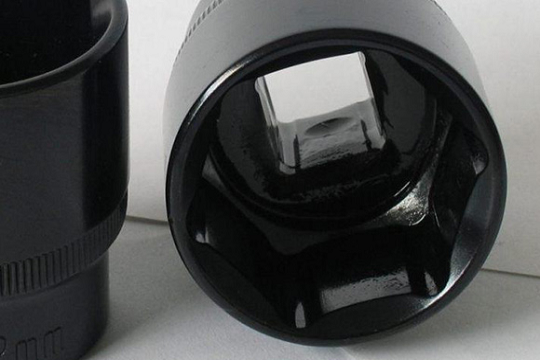
| Black Oxide | Black oxide is a conversion coating similar to Alodine that is used for steel and stainless steel. It is used mainly for appearance and for mild corrosion resistance. | Steel, Stainless Steel | Black | Smooth, matte | $$$ | |
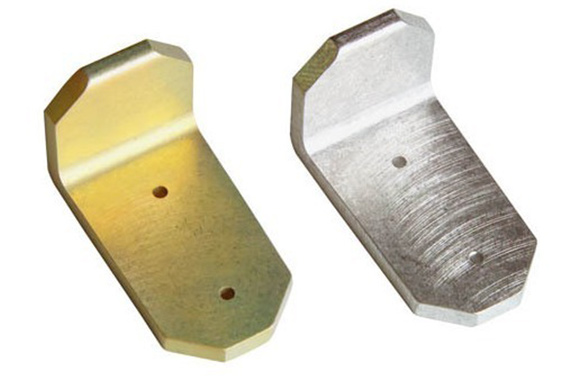
| Alodine | Chromate conversion coating, more commonly known by its brand name Alodine, is a chemical coating that passivates and protects aluminum from corrosion. It is also used as a base layer before priming and painting parts. | Aluminum | Clear, Gold | Same as before | $$$ | |
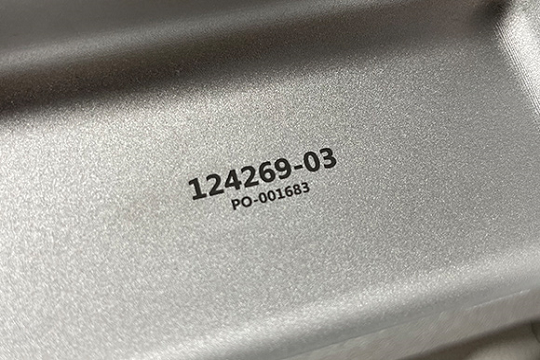
| Part Marking | Part marking is a cost-effective way to add logos or custom lettering to your designs and is often used for custom part tagging during full-scale production. | All materials | Custom | n/a | $$ |