PREFACE
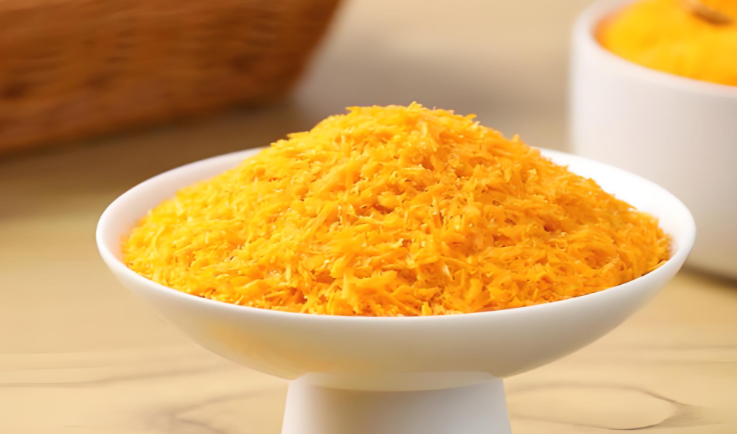
Walk down any supermarket aisle, and you will find breadcrumbs sitting quietly on the shelf — unassuming, golden, and seemingly simple. Yet behind that humble canister lies a complex, highly engineered industrial process that involves advanced food science, sophisticated machinery, carefully controlled chemical reactions, and a global supply chain that most consumers never think about. Breadcrumbs are one of the most widely consumed food ingredients in the world, used in everything from crispy fried chicken to meatballs, from fish fillets to vegetable cutlets. They coat, they bind, they absorb, they texture — and they do all of this because of a manufacturing process that is far more intricate than most people imagine.
This article is a deep, comprehensive exposé of the breadcrumb processing industry. We will pull back the curtain on how breadcrumbs are made — from the selection of raw wheat and flour, through fermentation, baking, drying, grinding, sieving, seasoning, and packaging — and we will examine the industrial machinery, the food chemistry, the quality control protocols, the regulatory landscape, and the commercial pressures that shape every batch of breadcrumbs that reaches your kitchen. We will also explore the darker corners of the industry: the shortcuts taken by cost-cutting manufacturers, the additives that extend shelf life but raise health questions, the environmental footprint of large-scale production, and the gap between what the label says and what is actually inside the bag.
By the end of this article, you will never look at a breadcrumb the same way again.
PART ONE: THE HISTORY AND CULTURAL SIGNIFICANCE OF BREADCRUMBS
Chapter 1: A Brief History of Breadcrumbs
1.1 Ancient Origins
The story of breadcrumbs is, in many ways, the story of bread itself — and bread is one of humanity’s oldest manufactured foods. Archaeological evidence suggests that humans were grinding grains and baking flatbreads as far back as 14,000 years ago in the Fertile Crescent. As soon as people began baking bread, they inevitably encountered the problem of stale bread. In societies where food was precious and waste was unthinkable, stale bread was never discarded. It was repurposed.
Ancient Roman cooks were among the first to document the deliberate use of breadcrumbs as a culinary ingredient. The cookbook Apicius, compiled sometime in the 4th or 5th century AD, contains numerous recipes that call for crumbled, dried bread as a thickener, a coating, or a filler. Roman soldiers carried hardtack — a form of extremely dry, dense bread — that could be ground into crumbs and used to extend soups and stews during long campaigns. The concept was pragmatic: dried bread lasted longer than fresh bread, and ground dried bread was even more versatile.
In medieval Europe, breadcrumbs became a staple of aristocratic kitchens. French and English cookbooks from the 13th and 14th centuries describe the use of pain rassis (stale bread) ground into fine powder for thickening sauces, coating meats before roasting, and making farces (stuffings). The medieval technique of “frying in breadcrumbs” — coating a piece of meat or fish in egg and then in crumbs before cooking in fat — appears in cookbooks across France, England, Italy, and Germany. This technique, which we now call breading or pané, was not merely about flavor. It was about extending the cooking life of expensive proteins, sealing in moisture, and creating a textural contrast that made simple ingredients more satisfying.
1.2 The Industrial Revolution and the Birth of Commercial Breadcrumbs
For most of human history, breadcrumbs were made at home, by hand, from leftover bread. The industrial revolution changed everything. As urban populations grew and commercial bakeries expanded, the economics of bread production created a new opportunity: the systematic collection and processing of bread waste.
By the mid-19th century, commercial breadcrumb production had begun in earnest in Europe and North America. Large bakeries, which produced enormous quantities of bread daily, inevitably generated significant amounts of unsold or imperfect loaves. Rather than discarding this bread, enterprising manufacturers began collecting it, drying it in large ovens, grinding it in mechanical mills, and selling the resulting crumbs to butchers, restaurants, and households.
The early commercial breadcrumb industry was essentially a waste-recovery operation. Quality was inconsistent, as the raw material — leftover bread — varied enormously in type, age, moisture content, and composition. However, as the 20th century progressed, manufacturers began to realize that purpose-made bread, specifically designed for crumb production, yielded a far superior and more consistent product. This insight drove a fundamental shift in the industry: from waste processing to purpose-built manufacturing.
1.3 The 20th Century: Standardization and the Rise of Panko
The 20th century saw the breadcrumb industry undergo radical transformation. The development of industrial food processing technology, the standardization of food safety regulations, and the growth of the global fast-food industry all contributed to the emergence of breadcrumbs as a major industrial food ingredient.
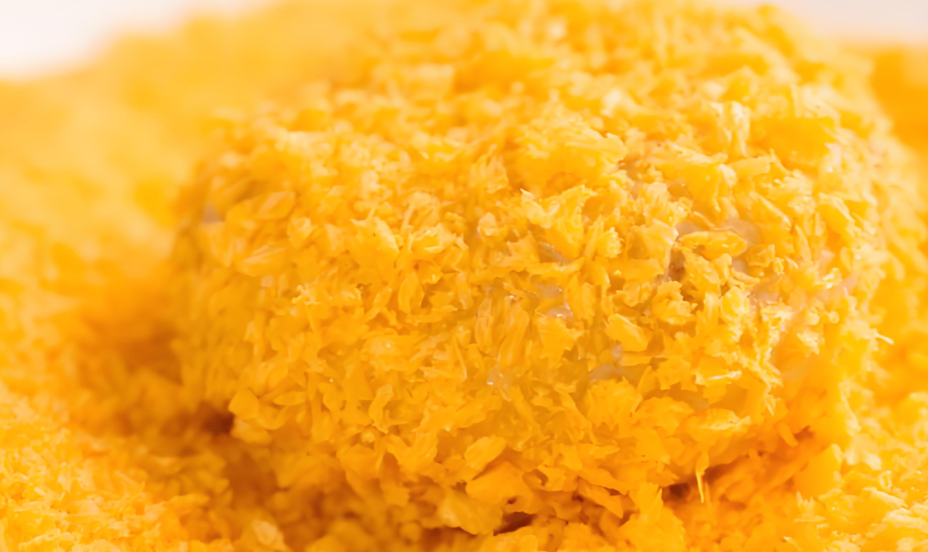
Perhaps the most significant development of the 20th century in breadcrumb technology was the rise of panko — the Japanese-style breadcrumb that would eventually conquer the global food industry. Panko (パン粉, literally “bread powder”) has its origins in Japanese military cooking during World War II, where electric ovens were used to bake bread without a crust, producing a uniquely light, airy, and coarse-textured crumb. The resulting breadcrumbs were dramatically different from Western-style crumbs: larger, lighter, crispier, and with a more open, flaky structure that absorbed less oil during frying.
After the war, panko became a staple of Japanese home cooking and the restaurant industry. By the 1980s and 1990s, Japanese food manufacturers had begun exporting panko to Western markets, where it was embraced by chefs and food manufacturers for its superior frying performance. Today, panko is produced on an industrial scale around the world, and the technology behind its manufacture — particularly the use of electrical resistance heating to bake crustless bread — represents one of the most sophisticated innovations in the breadcrumb industry.
PART TWO: RAW MATERIALS AND INGREDIENT SELECTION
Chapter 2: The Foundation — Flour, Water, and Beyond
2.1 Wheat Flour: The Primary Raw Material
The foundation of any breadcrumb is wheat flour. However, not all wheat flour is created equal, and the choice of flour has profound implications for the texture, color, flavor, and performance of the final product.
Protein Content and Gluten Development
Wheat flour is classified primarily by its protein content, which determines the strength and extensibility of the gluten network that forms when flour is mixed with water. For breadcrumb production, manufacturers typically use:
Hard wheat flour (bread flour): Protein content of 12–14%. This high-protein flour produces a strong gluten network, resulting in bread with good structure and chew. Hard wheat flour is the preferred choice for traditional Western-style breadcrumbs, where a denser, more compact crumb structure is desired.
Soft wheat flour (cake or pastry flour): Protein content of 8–10%. Lower protein content produces a weaker gluten network and a more tender, delicate crumb. Some manufacturers blend soft wheat flour into their formulations to achieve a lighter texture.
Medium-strength flour (all-purpose flour): Protein content of 10–12%. This is the most commonly used flour in commercial breadcrumb production, offering a balance between structure and tenderness.
For panko production, manufacturers often use a specific type of flour with carefully controlled protein content — typically in the range of 10.5–12% — to achieve the characteristic open, flaky crumb structure. Too much protein produces a tough, dense crumb; too little produces a crumb that lacks structural integrity and crumbles excessively.
Ash Content and Flour Grade
Beyond protein content, flour is also characterized by its ash content — the mineral residue remaining after the flour is incinerated. Ash content is a proxy for how much of the bran and germ has been included in the flour. Lower ash content indicates a whiter, more refined flour with less bran. For breadcrumb production, most manufacturers use flour with an ash content of 0.45–0.55% (on a dry basis), which corresponds to a relatively white, refined flour.
The use of whole wheat flour in breadcrumb production is possible but less common in the mainstream industry. Whole wheat breadcrumbs have a darker color, a more pronounced flavor, and a shorter shelf life due to the higher fat content of the wheat germ. However, as consumer demand for whole grain products has grown, some manufacturers have introduced whole wheat breadcrumb lines.
Flour Treatment and Additives
Commercial flour used in breadcrumb production is rarely used in its natural state. It is typically treated with a range of additives designed to improve its baking performance:
Bleaching agents: Chlorine gas, benzoyl peroxide, or other oxidizing agents are used to whiten flour and improve its baking characteristics. Bleached flour produces a more uniform, lighter-colored crumb.
Maturing agents: Ascorbic acid (vitamin C) is the most commonly used maturing agent in modern breadcrumb production. It strengthens the gluten network, improves dough handling, and produces a more consistent loaf structure.
Enzyme treatments: Amylases, proteases, and hemicellulases are added to flour to modify its baking properties. Amylases break down starch into fermentable sugars, improving yeast activity and crust color. Proteases partially hydrolyze gluten proteins, making the dough more extensible and easier to process.
2.2 Water: The Overlooked Ingredient
Water is the second most important ingredient in breadcrumb production, yet it is often overlooked in discussions of bread quality. The mineral content of water — its “hardness” — has a significant effect on gluten development and yeast activity.
Hard water, which contains high levels of calcium and magnesium ions, strengthens gluten and can improve dough handling. However, excessively hard water can inhibit yeast activity. Soft water, which lacks these minerals, can produce a slack, sticky dough that is difficult to process. Most commercial breadcrumb manufacturers use water that has been treated to achieve a consistent mineral profile, typically targeting a hardness of 100–150 ppm (as calcium carbonate).
Water temperature is also critical. In commercial bread production, water temperature is carefully controlled to achieve a target dough temperature — typically 24–28°C (75–82°F). Too warm, and the yeast becomes overactive, producing an uneven fermentation; too cold, and fermentation is sluggish and incomplete.
2.3 Yeast: The Leavening Agent
Commercial breadcrumb production relies primarily on baker’s yeast (Saccharomyces cerevisiae) as the leavening agent. Yeast performs two critical functions in bread production:
Leavening: Yeast consumes fermentable sugars (primarily glucose and fructose, derived from the enzymatic breakdown of starch) and produces carbon dioxide gas, which becomes trapped in the gluten network, causing the dough to rise.
Flavor development: Yeast fermentation produces a complex array of flavor compounds — alcohols, organic acids, esters, and aldehydes — that contribute to the characteristic flavor of bread.
In commercial breadcrumb production, yeast is typically used in one of three forms:
Compressed (fresh) yeast: Contains approximately 70% water and must be refrigerated. It has a short shelf life (2–3 weeks) but is highly active and produces excellent fermentation results.
Active dry yeast: Dehydrated yeast granules that must be rehydrated before use. More stable than fresh yeast, with a shelf life of several months.
Instant dry yeast: Fine granules that can be added directly to flour without prior rehydration. The most convenient form for large-scale commercial production.
The amount of yeast used in breadcrumb production is typically lower than in artisan bread production, as the goal is not to develop complex flavor but to achieve a consistent, well-leavened structure that will produce the desired crumb texture after drying and grinding.
2.4 Salt, Sugar, and Fat
Beyond flour, water, and yeast, commercial breadcrumb formulations typically include:
Salt (Sodium Chloride)
Salt serves multiple functions in bread production. It strengthens the gluten network by promoting the formation of ionic bonds between gluten proteins. It controls yeast activity, preventing over-fermentation. It enhances flavor. And it extends shelf life by reducing water activity. Commercial breadcrumb formulations typically contain 1.5–2.0% salt (baker’s percentage, i.e., as a percentage of flour weight).
Сахар
Sugar (typically sucrose or glucose syrup) is added to commercial breadcrumb formulations primarily to:
Provide fermentable substrate for yeast
Promote Maillard browning during baking, contributing to color and flavor
Improve the tenderness of the crumb
Enhance the golden color of the final breadcrumb product
Sugar levels in commercial breadcrumb formulations typically range from 2–6% (baker’s percentage).
Fat
Shortening, vegetable oil, or lard is often added to commercial breadcrumb formulations to:
Improve the tenderness and eating quality of the bread
Lubricate the gluten network, making the dough easier to process
Extend shelf life by reducing moisture migration
Improve the crispiness of the final breadcrumb coating
Fat levels in commercial breadcrumb formulations typically range from 1–4% (baker’s percentage).
2.5 Additives and Improvers
Modern commercial breadcrumb production relies heavily on a range of food additives and bread improvers that are rarely mentioned on the label but play a crucial role in achieving consistent quality and extended shelf life.
Эмульгаторы
Emulsifiers are among the most widely used additives in commercial bread production. They interact with both the fat and water phases of the dough, improving dough handling, increasing loaf volume, and extending shelf life by retarding starch retrogradation (staling). The most commonly used emulsifiers in breadcrumb production include:
DATEM (Diacetyl Tartaric Acid Esters of Mono- and Diglycerides): A powerful dough strengthener that improves gluten network development and increases loaf volume.
SSL (Sodium Stearoyl Lactylate): Improves dough handling and crumb softness.
Mono- and diglycerides: Improve crumb softness and extend shelf life.
Lecithin: A natural emulsifier derived from soybeans or sunflowers, used to improve dough handling and crumb texture.
Oxidizing Agents
Oxidizing agents strengthen the gluten network by promoting the formation of disulfide bonds between gluten proteins. The most commonly used oxidizing agent in modern breadcrumb production is ascorbic acid (vitamin C), which is used at very low levels (typically 10–50 ppm). Potassium bromate, a more powerful oxidizing agent, was widely used in the past but has been banned in many countries due to concerns about its potential carcinogenicity.
Reducing Agents
Reducing agents such as L-cysteine are used to weaken the gluten network, making the dough more extensible and easier to process. They are particularly useful in high-speed industrial production lines where the dough must be sheeted, cut, and shaped rapidly.
Ферменты
A wide range of enzymes are used in commercial breadcrumb production:
Alpha-amylases: Break down starch into fermentable sugars, improving yeast activity and crust color.
Proteases: Partially hydrolyze gluten proteins, improving dough extensibility.
Lipases: Modify fat in the flour, improving dough handling and loaf volume.
Xylanases (hemicellulases): Break down the pentosan fraction of flour, improving water absorption and dough handling.
Glucose oxidase: An oxidizing enzyme that strengthens gluten, similar in effect to ascorbic acid.
Консерванты
To extend shelf life, many commercial breadcrumb manufacturers add chemical preservatives:
Calcium propionate: The most widely used mold inhibitor in commercial bread production. It is effective against mold and some bacteria but has been associated with behavioral effects in children in some studies.
Potassium sorbate: Another mold inhibitor, used in some formulations.
Sodium benzoate: Less commonly used in breadcrumbs but occasionally present.
PART THREE: THE MANUFACTURING PROCESS
Chapter 3: Dough Preparation and Mixing
3.1 Ingredient Weighing and Batching
The first step in commercial breadcrumb production is the precise weighing and batching of ingredients. In modern facilities, this process is largely automated, with computerized systems controlling the dispensing of flour, water, yeast, salt, sugar, fat, and additives according to a pre-programmed recipe.
Flour is typically stored in large silos and conveyed to the mixing area via pneumatic conveying systems. Water is metered from temperature-controlled tanks. Liquid ingredients such as vegetable oil and glucose syrup are pumped from bulk storage tanks. Dry additives such as salt, sugar, and bread improvers are weighed in smaller quantities and added manually or via automated micro-dosing systems.
The accuracy of ingredient weighing is critical to product consistency. Modern commercial facilities use load cells and electronic scales with accuracies of ±0.1% or better for major ingredients, and ±0.01% for minor additives.
3.2 Mixing
Mixing serves two primary functions in bread production:
Ingredient incorporation: Ensuring that all ingredients are uniformly distributed throughout the dough.
Gluten development: Mechanically working the dough to develop the gluten network that gives bread its structure.
Commercial breadcrumb production typically uses one of three mixing systems:
Conventional (Slow) Mixing
Traditional mixing systems use relatively slow mixing speeds (typically 30–60 rpm) and long mixing times (10–20 minutes). This allows for gradual gluten development and gives the yeast time to begin fermentation during mixing. The resulting dough has a well-developed gluten structure and a complex flavor profile due to the extended fermentation.
High-Speed (Intensive) Mixing
Modern high-speed mixers (such as the Chorleywood Bread Process mixer) operate at much higher speeds (typically 200–400 rpm) and shorter mixing times (2–5 minutes). The intense mechanical energy input rapidly develops the gluten network without the need for extended fermentation. This process dramatically reduces production time and allows for the use of lower-quality flour, but produces bread with a less complex flavor and a more uniform, fine-grained crumb structure.
Continuous Mixing
Some large-scale breadcrumb manufacturers use continuous mixing systems, in which ingredients are fed continuously into a mixing chamber and dough is extruded continuously from the other end. This system offers the highest throughput but requires very precise control of ingredient flow rates and mixing parameters.
3.3 Fermentation and Proofing
After mixing, the dough undergoes fermentation — the process by which yeast converts fermentable sugars into carbon dioxide and ethanol, causing the dough to rise and develop flavor.
Bulk Fermentation (First Rise)
In conventional bread production, the dough is allowed to ferment in bulk for 1–3 hours at a controlled temperature (typically 26–28°C) and humidity (75–85% RH). During this time, the yeast produces carbon dioxide, which is trapped in the gluten network, causing the dough to expand. Simultaneously, organic acids and flavor compounds are produced by both the yeast and naturally occurring bacteria in the dough.
In high-speed mixing processes (such as the Chorleywood Bread Process), bulk fermentation is largely eliminated. The dough goes directly from mixing to dividing and shaping, with only a brief “floor time” of 5–10 minutes.
Dividing and Shaping
After bulk fermentation, the dough is divided into individual pieces of a predetermined weight, using automated dividers that cut the dough into equal portions. The dough pieces are then rounded (shaped into balls) by mechanical rounders, which develop the surface tension of the dough and create a smooth, tight skin.
For breadcrumb production, the shaping step may differ from conventional bread production. Some manufacturers produce large, flat loaves (similar to sandwich bread) that are baked in pans. Others produce free-form loaves or rolls. The shape of the loaf affects the ratio of crust to crumb, which in turn affects the color and texture of the final breadcrumb.
Final Proofing (Second Rise)
After shaping, the dough pieces are placed in proofing chambers — large, humidity-controlled enclosures where the dough undergoes its final rise. Proofing conditions are typically 35–40°C and 85–90% RH, which promotes rapid yeast activity. Proofing time varies from 45 minutes to 2 hours, depending on the yeast level, dough temperature, and desired final volume.
The degree of proofing has a significant effect on the texture of the final breadcrumb. Under-proofed dough produces a dense, tight crumb with small, irregular air cells. Over-proofed dough produces a coarse, open crumb with large, irregular air cells that may collapse during baking. Properly proofed dough produces a uniform, medium-textured crumb that grinds into consistent breadcrumbs.
Chapter 4: Baking — The Heart of the Process
4.1 Conventional Baking
Baking is the most critical step in breadcrumb production. It is during baking that the dough transforms from a soft, pliable mass into a rigid, structured loaf through a complex series of physical and chemical changes.
Oven Spring
When the dough enters the hot oven, the yeast experiences a brief burst of activity as the temperature rises from proofing temperature to the point at which yeast is killed (approximately 60°C). This final surge of gas production, combined with the thermal expansion of existing gas bubbles, causes the dough to rapidly expand — a phenomenon known as “oven spring.” Oven spring typically increases the volume of the dough by 20–30%.
Желатинизация крахмала
As the dough temperature rises above approximately 60°C, starch granules begin to absorb water and swell, eventually rupturing and releasing their starch molecules into the surrounding medium. This process — starch gelatinization — is responsible for the transformation of the dough from a soft, extensible mass into a rigid, set structure. Starch gelatinization is essentially complete by the time the internal temperature of the loaf reaches approximately 95°C.
Protein Denaturation
Simultaneously with starch gelatinization, the gluten proteins in the dough undergo thermal denaturation — they unfold and coagulate, forming a rigid protein network that contributes to the structure of the baked loaf.
Maillard Reaction and Crust Formation
The surface of the loaf, which is exposed to the full temperature of the oven (typically 200–240°C), undergoes the Maillard reaction — a complex series of chemical reactions between reducing sugars and amino acids that produces hundreds of flavor and color compounds. The Maillard reaction is responsible for the golden-brown color and complex flavor of bread crust.
For breadcrumb production, the extent of crust formation is a critical variable. Traditional Western-style breadcrumbs include the crust, which contributes a darker color and a more intense flavor. Panko, by contrast, is made from crustless bread, which produces a lighter color and a more neutral flavor.
Baking Conditions
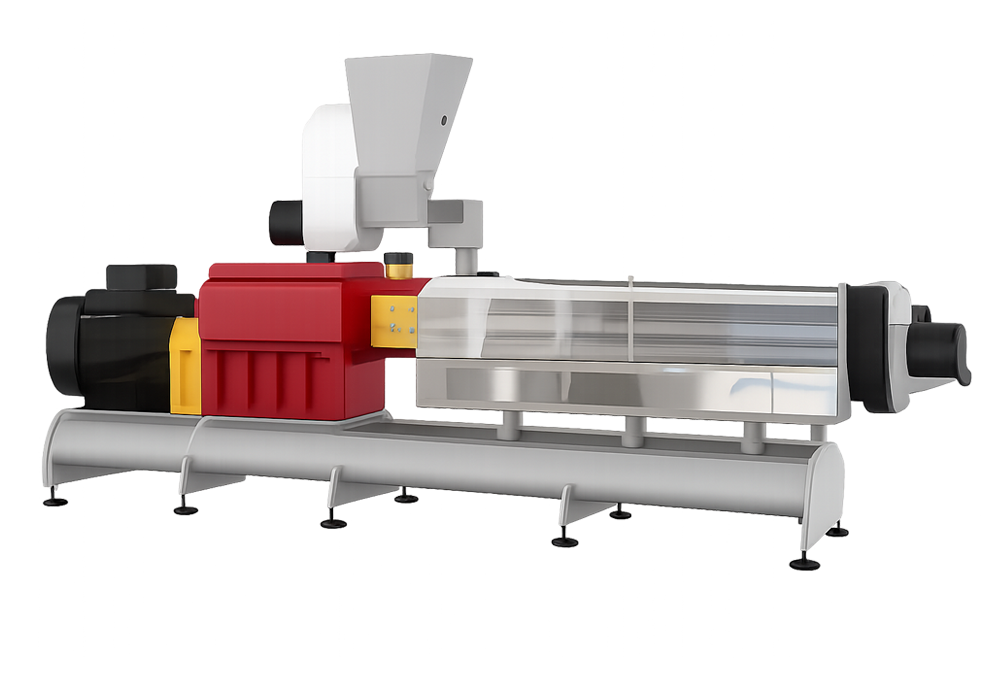
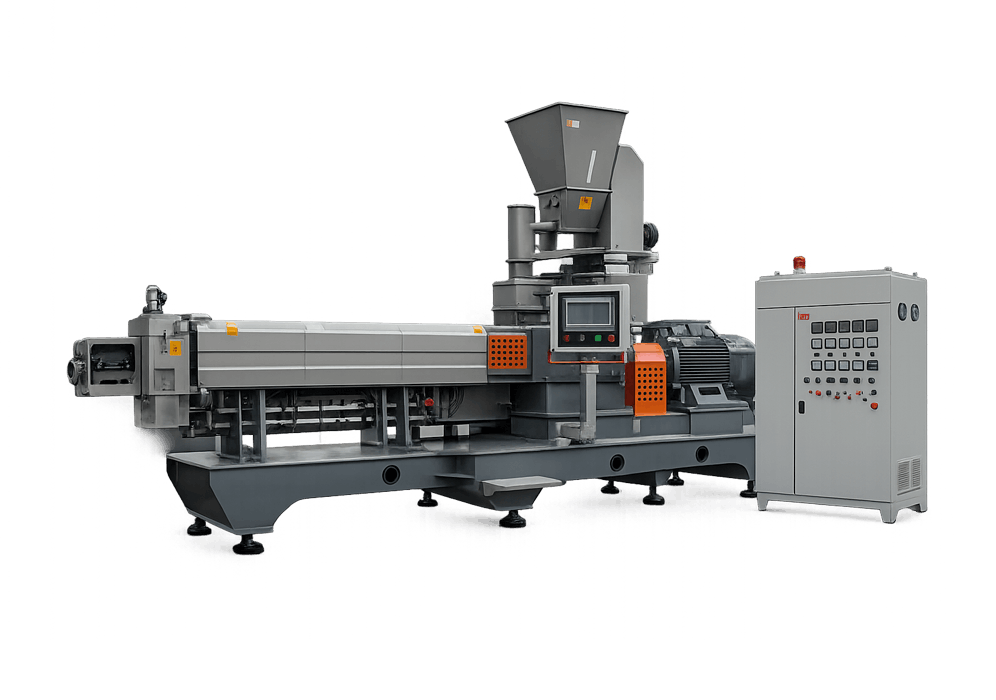
Commercial breadcrumb production typically uses tunnel ovens — long, continuous ovens through which the bread travels on a conveyor belt. Tunnel ovens can be divided into multiple zones with different temperature and humidity profiles:
Zone 1 (Steam injection zone): High humidity (steam injection) at 200–220°C. Steam prevents the crust from setting too early, allowing maximum oven spring.
Zone 2 (Baking zone): Reduced humidity at 220–240°C. The crust begins to form and the internal structure sets.
Zone 3 (Finishing zone): Lower temperature (180–200°C) with reduced humidity. The crust is dried and colored to the desired shade.
Total baking time in a tunnel oven typically ranges from 20–40 minutes, depending on the size of the loaf and the desired crust color.
4.2 The Panko Revolution: Electric Resistance Baking
The most distinctive and technically sophisticated aspect of panko production is the use of electric resistance baking (also known as ohmic heating or Joule heating) to produce crustless bread.
In conventional baking, heat is transferred to the bread from the outside in — the oven heats the surface of the dough, and heat gradually penetrates to the interior. This inevitably produces a crust: the outer surface of the dough dries out and undergoes Maillard browning before the interior is fully baked.
In electric resistance baking, an alternating electric current is passed directly through the dough, which acts as a resistor. The electrical energy is converted to heat uniformly throughout the entire volume of the dough simultaneously. Because heat is generated uniformly from within, rather than applied from outside, the dough heats evenly without forming a surface crust.
The technology works as follows: The dough is placed in a mold with electrically conductive walls. Electrodes are applied to opposite ends of the mold, and an alternating current (typically at 50–60 Hz, the standard power frequency) is passed through the dough. The electrical resistance of the dough converts the electrical energy to heat, raising the temperature uniformly throughout the dough mass. The dough is baked to an internal temperature of approximately 95–98°C, at which point starch gelatinization and protein denaturation are complete.
The result is a loaf of bread with no crust — the surface of the loaf is as soft and white as the interior. When this crustless bread is dried and ground, it produces breadcrumbs that are:
Lighter in color: Pure white to pale cream, compared to the golden-tan of conventional breadcrumbs.
Larger in particle size: The open, flaky structure of panko crumbs is much coarser than conventional breadcrumbs.
Crispier when fried: The large, open structure of panko crumbs creates more surface area for browning and absorbs less oil, resulting in a crispier, lighter coating.
More neutral in flavor: Without the intense Maillard flavors of the crust, panko has a more neutral taste that allows the flavor of the food being coated to come through.
Chapter 5: Post-Baking Processing — Drying, Grinding, and Sieving
5.1 Cooling
After baking, the bread must be cooled before it can be processed into breadcrumbs. Cooling serves several important functions:
Preventing condensation: Hot bread placed directly into a sealed environment will produce condensation, which can lead to mold growth and quality problems.
Allowing the crumb to set: The internal structure of the bread continues to firm up as it cools, as starch retrogradation begins.
Reducing moisture content: Some moisture evaporates from the bread during cooling, reducing the load on subsequent drying operations.
Commercial breadcrumb manufacturers use a variety of cooling methods:
Ambient cooling: Bread is conveyed through a cooling tunnel where ambient air is circulated over the loaves. This is the simplest and most common method.
Forced-air cooling: High-velocity air is blown over the bread to accelerate cooling.
Spiral coolers: The bread travels through a spiral conveyor in a temperature-controlled enclosure, allowing for precise control of cooling time and temperature.
Cooling time typically ranges from 1–3 hours, depending on the size of the loaf and the cooling method used.
5.2 Slicing and Pre-Breaking
After cooling, the bread is typically sliced or broken into smaller pieces to facilitate subsequent drying and grinding. Commercial slicers can cut bread into slices of a precisely controlled thickness, which ensures uniform drying. Some manufacturers use pre-breakers — machines that tear or crush the bread into irregular chunks — rather than slicers, as the irregular surface area of broken bread may dry more efficiently than the smooth cut surfaces of sliced bread.
5.3 Drying — The Critical Step
Drying is arguably the most critical step in breadcrumb production, as it determines the moisture content of the final product, which in turn affects shelf life, texture, and grinding characteristics.
Fresh baked bread typically has a moisture content of 35–45%. For breadcrumb production, the moisture content must be reduced to approximately 8–12% (for conventional breadcrumbs) or 10–14% (for panko). This requires the removal of a substantial amount of water.
Drying Methods
Band (Belt) Dryers
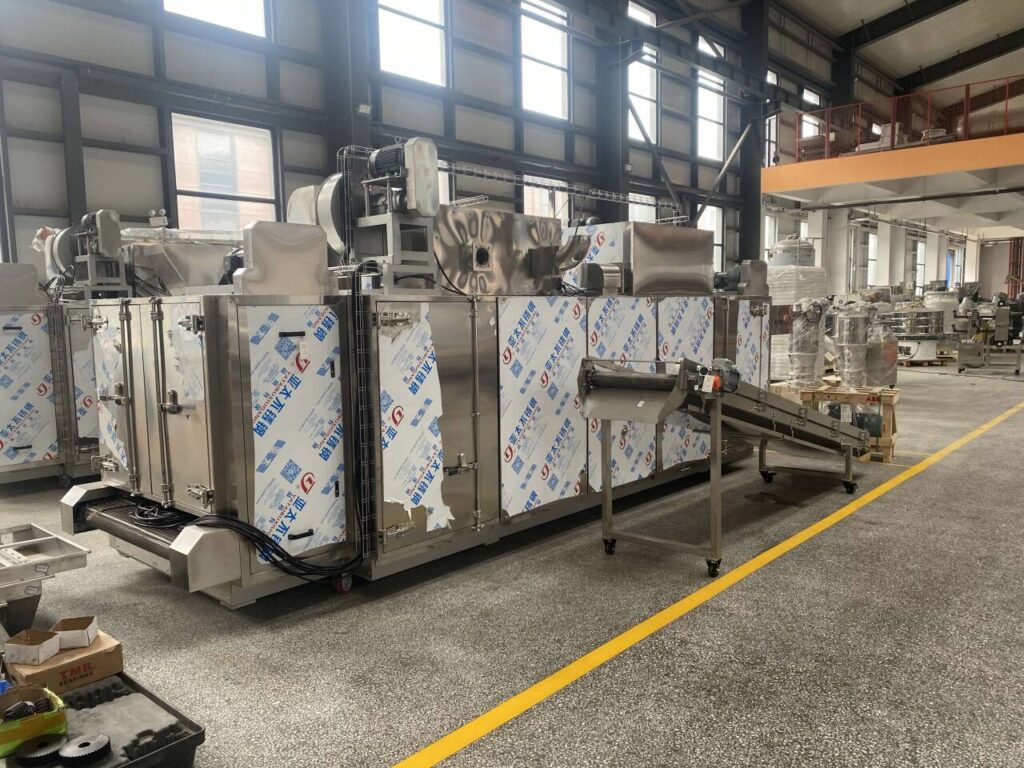
The most common drying method in commercial breadcrumb production is the band dryer — a large, continuous dryer in which the bread pieces travel on a perforated conveyor belt through a series of temperature-controlled drying zones. Hot air is blown through the perforations in the belt and through the bread pieces, evaporating moisture. Band dryers can be configured with multiple zones at different temperatures and airflow rates to achieve precise control of the drying profile.
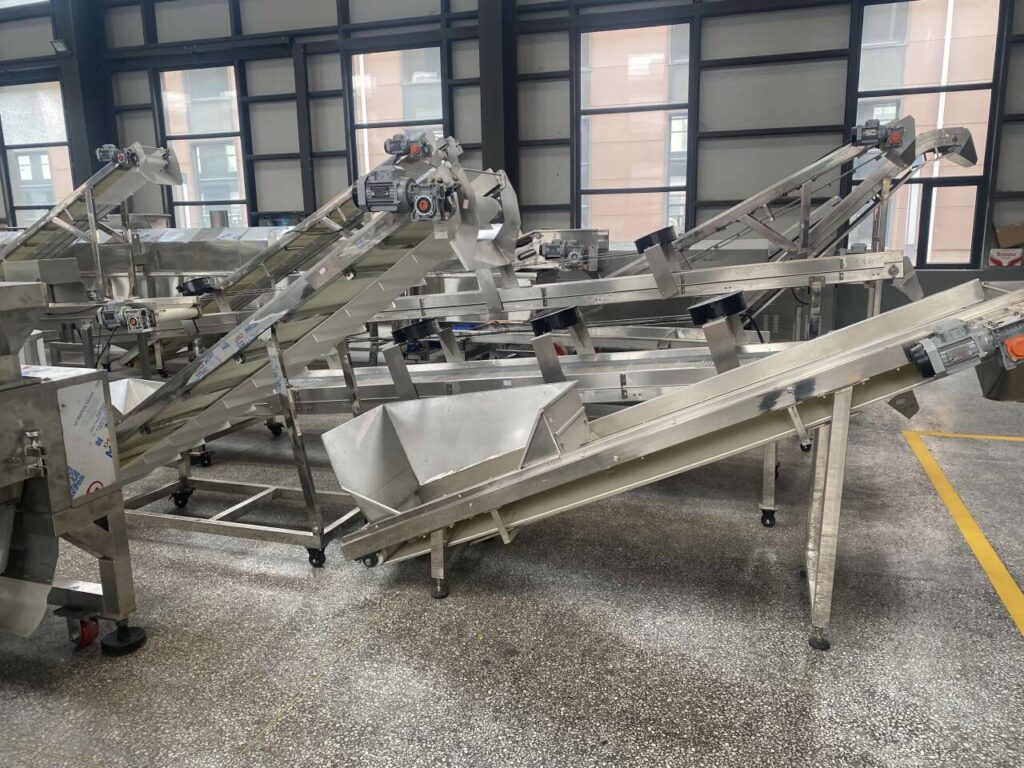
Typical drying conditions:
Temperature: 100–180°C
Airflow: 2–5 m/s
Drying time: 30–90 minutes
Final moisture content: 8–12%
Rotary Dryers
Some manufacturers use rotary dryers — large, rotating cylindrical drums through which the bread pieces tumble while hot air is blown through. Rotary dryers are efficient and can handle large volumes, but they tend to produce more fines (small particles) due to the mechanical action of the tumbling bread.
Fluidized Bed Dryers
Fluidized bed dryers use a high-velocity stream of hot air to suspend the bread pieces in a “fluidized” state, maximizing the contact between the air and the bread surface. This produces very rapid and uniform drying but is typically used for smaller particle sizes (after initial grinding) rather than for whole bread pieces.
The Importance of Drying Profile
The rate and profile of drying have a significant effect on the quality of the final breadcrumb. If drying is too rapid, the surface of the bread pieces can form a hard, impermeable crust (a phenomenon known as “case hardening”) that traps moisture inside and prevents complete drying. If drying is too slow, the bread may develop mold before it reaches a safe moisture level.
The ideal drying profile involves a gradual increase in temperature and airflow, allowing moisture to migrate from the interior of the bread piece to the surface at a rate that matches the evaporation rate at the surface. This requires careful engineering of the dryer design and precise control of drying conditions.
5.4 Grinding
After drying, the bread pieces are ground into breadcrumbs using mechanical grinding equipment. The grinding step determines the particle size distribution of the final product, which has a profound effect on its performance in food applications.
Grinding Equipment
Hammer Mills
Hammer mills are the most commonly used grinding equipment in breadcrumb production. A hammer mill consists of a rotating shaft fitted with a series of hammers (or blades) that rotate at high speed inside a grinding chamber. The dried bread pieces are fed into the chamber and are repeatedly struck by the hammers, breaking them into smaller pieces. The ground material passes through a screen at the bottom of the chamber when it reaches the desired particle size.
Hammer mills are versatile and can produce a wide range of particle sizes by changing the screen size and rotor speed. However, they tend to produce a relatively broad particle size distribution and can generate significant heat during grinding, which can affect the flavor and color of the breadcrumbs.
Roll Mills (Roller Mills)
Roll mills use a series of counter-rotating rollers with a controlled gap between them to crush and shear the dried bread into crumbs. Roll mills produce a more uniform particle size distribution than hammer mills and generate less heat. However, they are more expensive and require more maintenance.
Pin Mills
Pin mills use a series of interlocking pins on counter-rotating discs to grind the bread. They are capable of producing very fine, uniform particles and are often used for the final grinding stage in fine breadcrumb production.
Particle Size and Its Importance
The particle size of breadcrumbs is one of their most important quality characteristics, as it directly affects:
Coating coverage: Finer crumbs provide more uniform coverage of the food surface.
Oil absorption during frying: Coarser crumbs absorb less oil, producing a lighter, crispier coating.
Adhesion: Finer crumbs adhere more readily to food surfaces.
Appearance: Coarser crumbs produce a more rustic, textured appearance; finer crumbs produce a smoother, more uniform appearance.
Commercial breadcrumbs are typically classified by particle size:
Fine breadcrumbs: 90% of particles pass through a 1.0 mm screen.
Medium breadcrumbs: 90% of particles pass through a 2.0 mm screen.
Coarse breadcrumbs: 90% of particles pass through a 4.0 mm screen.
Panko: Typically 2–8 mm in the longest dimension, with a distinctive flaky, elongated shape.
5.5 Sieving and Classification
After grinding, the breadcrumbs are sieved to remove particles that are either too large or too fine. Sieving is performed using vibrating screens with multiple decks, each fitted with a screen of a different mesh size. The breadcrumbs are fed onto the top screen and cascade down through the successive screens, with each screen retaining particles above a certain size.
Oversized particles (those retained on the coarsest screen) are returned to the grinder for further size reduction.
Undersized particles (those passing through the finest screen) are collected as “fines” — a lower-value product that may be used in animal feed or other applications.
On-specification particles (those retained on the target screen) are collected as the final product.
The sieving step also serves to remove any foreign material (such as metal fragments, plastic, or stones) that may have entered the product stream. Most commercial facilities use metal detectors and/or magnets in conjunction with the sieving step to ensure that no metal contamination reaches the final product.
Chapter 6: Seasoning, Coating, and Specialty Products
6.1 Plain vs. Seasoned Breadcrumbs
The breadcrumb industry produces two broad categories of products:
Plain (Unseasoned) Breadcrumbs
Plain breadcrumbs contain only the basic bread ingredients — flour, water, yeast, salt, and possibly sugar and fat. They are used as a neutral coating or binder in food manufacturing and home cooking, where the flavor of the coating is intended to be minimal.
Seasoned Breadcrumbs
Seasoned breadcrumbs are plain breadcrumbs to which a blend of spices, herbs, and flavor enhancers has been added. The seasoning blend is typically added after grinding and sieving, in a blending step that ensures uniform distribution of the seasoning throughout the breadcrumb mass.
Common seasoning ingredients include:
Dried herbs: Parsley, oregano, basil, thyme, rosemary
Spices: Garlic powder, onion powder, paprika, black pepper, cayenne pepper
Flavor enhancers: Monosodium glutamate (MSG), yeast extract, hydrolyzed vegetable protein
Cheese powders: Parmesan, cheddar, romano
Salt: Additional salt beyond what is present in the base bread
The seasoning blend is typically applied in a ribbon blender or a tumble blender, which gently mixes the breadcrumbs with the seasoning to ensure uniform distribution without breaking the crumbs.
6.2 Colored Breadcrumbs
Some manufacturers produce breadcrumbs with added color to achieve a specific visual appearance. The most common colorants used in breadcrumb production include:
Annatto (E160b): Produces an orange-yellow color.
Turmeric (E100): Produces a bright yellow color.
Paprika extract (E160c): Produces an orange-red color.
Caramel color (E150): Produces a brown color, used to simulate the appearance of more heavily baked breadcrumbs.
Colored breadcrumbs are widely used in the food manufacturing industry to achieve a consistent, appealing appearance in finished products, regardless of variations in the baking and frying process.
6.3 Gluten-Free Breadcrumbs
The growing market for gluten-free products has driven the development of gluten-free breadcrumbs, made from alternative flours such as:
Rice flour: The most commonly used gluten-free flour in breadcrumb production. Rice flour produces a light, crispy breadcrumb with a neutral flavor.
Corn flour/cornmeal: Produces a coarser, more granular breadcrumb with a slightly sweet flavor.
Chickpea flour: Produces a denser breadcrumb with a distinctive nutty flavor and higher protein content.
Tapioca starch: Often used in combination with other flours to improve the texture of gluten-free breadcrumbs.
Gluten-free breadcrumb production presents significant challenges, as the gluten network that gives conventional bread its structure and texture is absent. Manufacturers must use a range of hydrocolloids (such as xanthan gum, guar gum, and hydroxypropyl methylcellulose) to mimic the structural role of gluten.

PART FOUR: QUALITY CONTROL AND FOOD SAFETY
Chapter 7: Quality Control Systems
7.1 Raw Material Quality Control
Quality control in breadcrumb production begins with the incoming raw materials. Commercial manufacturers maintain detailed specifications for all raw materials and conduct incoming quality checks on every delivery.
For flour, key quality parameters include:
Protein content: Measured by the Kjeldahl method or near-infrared (NIR) spectroscopy.
Moisture content: Measured by oven drying or NIR spectroscopy.
Falling number: A measure of alpha-amylase activity, which indicates whether the wheat has been damaged by pre-harvest sprouting.
Farinograph and extensograph properties: Rheological measurements that characterize the dough-forming properties of the flour.
Ash content: Measured by incineration.
Microbial counts: Total aerobic plate count, yeast and mold count, and tests for specific pathogens (Salmonella, E. coli O157:H7, etc.).
7.2 In-Process Quality Control
Throughout the manufacturing process, numerous quality checks are performed to ensure that the product meets specification:
Dough temperature and consistency: Measured at the mixer exit.
Dough pH: Monitored to ensure proper fermentation.
Proofing height: Measured to ensure consistent leavening.
Baked loaf weight and volume: Measured after baking.
Moisture content of dried breadcrumbs: Measured by NIR or oven drying at multiple points in the drying process.
Particle size distribution: Measured by sieve analysis or laser diffraction.
Color: Measured by colorimetry (L, а, b* color space).
7.3 Finished Product Quality Control
Before release, finished breadcrumb products are subjected to a comprehensive battery of quality tests:
Moisture content: Critical for shelf life. Must be within specification (typically 8–12%).
Water activity (Aw): A more meaningful measure of microbiological stability than moisture content. Must be below 0.65 for safe storage.
Particle size distribution: Must meet the specification for the product grade.
Color: Must meet the specification for the product grade.
Flavor and odor: Sensory evaluation by trained panelists.
Microbial counts: Total aerobic plate count, yeast and mold count, coliforms, and tests for specific pathogens.
Foreign material: Visual inspection and metal detection.
Nutritional analysis: For labeled products, periodic verification of the nutritional content.
7.4 HACCP and Food Safety Management
Modern breadcrumb manufacturers operate under a Hazard Analysis and Critical Control Points (HACCP) system — a systematic approach to identifying and controlling food safety hazards. Under HACCP, the manufacturer identifies all potential biological, chemical, and physical hazards that could affect the safety of the product, and establishes critical control points (CCPs) where these hazards can be prevented, eliminated, or reduced to acceptable levels.
Key CCPs in breadcrumb production typically include:
Baking: The high temperature of baking (internal temperature >95°C) eliminates all vegetative pathogens. This is the most important CCP in the process.
Drying: Reduces moisture content to a level that prevents microbial growth.
Metal detection: Detects and removes metal contamination.
Sieving: Removes oversized particles and some foreign material.
PART FIVE: THE DARK SIDE OF THE INDUSTRY
Chapter 8: Shortcuts, Adulterations, and Hidden Practices
8.1 The Use of Bread Waste and Returns
One of the most controversial practices in the breadcrumb industry is the use of bread waste and returns — unsold bread collected from supermarkets and retailers — as raw material for breadcrumb production.
In principle, using returned bread for breadcrumb production is an excellent example of food waste reduction. In practice, however, the quality and safety of returned bread can be highly variable. Returned bread may be:
Contaminated with mold: Bread that has been stored at room temperature for several days may have visible or invisible mold growth. While the subsequent drying and grinding process kills most mold, mycotoxins produced by the mold (such as aflatoxins and deoxynivalenol) are heat-stable and may persist in the final product.
Contaminated with foreign material: Returned bread may contain packaging material, labels, stickers, or other foreign objects.
Of unknown composition: Returned bread from multiple sources may contain a wide variety of ingredients, including allergens (such as nuts, seeds, or dairy) that are not declared on the breadcrumb label.
The allergen issue is particularly serious. If a manufacturer uses returned bread that contains, for example, sesame seeds or tree nuts, and these allergens are not declared on the breadcrumb label, consumers with allergies could suffer severe reactions. This has been the subject of several food safety recalls in recent years.
Reputable manufacturers use only purpose-made bread for breadcrumb production, or at minimum, carefully segregate and test returned bread to ensure it meets safety and quality specifications. However, cost pressures in the industry mean that some manufacturers cut corners, using whatever bread is available at the lowest cost.
8.2 Excessive Use of Additives
While food additives are generally recognized as safe at the levels used in food production, there is growing consumer concern about the use of excessive or unnecessary additives in processed foods. The breadcrumb industry is no exception.
Some manufacturers use additives not because they are necessary for product quality or safety, but because they reduce production costs or extend shelf life beyond what is reasonably necessary. Examples include:
Excessive use of calcium propionate: While calcium propionate is an effective mold inhibitor, some manufacturers use it at levels significantly above what is needed for the product’s intended shelf life. High levels of calcium propionate have been associated with behavioral effects in children in some studies, although the evidence is not conclusive.
Use of artificial colors: Some manufacturers add artificial colors (such as tartrazine or sunset yellow) to breadcrumbs to achieve a more appealing golden color, rather than relying on the natural color developed during baking. These artificial colors are declared on the label but may not be obvious to consumers.
Use of flavor enhancers: MSG and other flavor enhancers are added to some seasoned breadcrumbs to boost flavor intensity. While MSG is generally recognized as safe, some consumers prefer to avoid it.
8.3 Misleading Labeling
The breadcrumb industry has a history of labeling practices that, while technically legal, can be misleading to consumers.
“Whole Grain” Claims
Some manufacturers market breadcrumbs as “whole grain” when the product contains only a small proportion of whole grain flour. Under current regulations in many countries, a product can be labeled as “whole grain” if it contains any amount of whole grain flour, even if the majority of the flour is refined white flour. Consumers who purchase “whole grain” breadcrumbs expecting a product made primarily from whole grain flour may be disappointed.
“Natural” Claims
The term “natural” has no legal definition in most jurisdictions and is used freely by manufacturers to imply that their product is free from artificial additives. In practice, many products labeled as “natural” contain a range of processed ingredients and additives that most consumers would not consider natural.
Serving Size Manipulation
Nutritional information on breadcrumb labels is typically expressed per serving. However, serving sizes can be defined by the manufacturer, and some manufacturers use unrealistically small serving sizes to make the nutritional profile of their product appear more favorable. For example, a serving size of 15g (about 1 tablespoon) may be used for a product that is typically used in quantities of 50–100g per meal.
8.4 Environmental and Sustainability Issues
The breadcrumb manufacturing industry has a significant environmental footprint that is rarely discussed in public discourse.
Потребление энергии
Breadcrumb production is an energy-intensive process. Baking, drying, and grinding all consume significant amounts of energy. A typical commercial breadcrumb facility may consume several megawatt-hours of energy per tonne of product. The industry’s reliance on fossil fuels for energy generation contributes to greenhouse gas emissions and climate change.
Water Usage
Bread production requires significant amounts of water — both as an ingredient and for cleaning and sanitation. Water usage in a typical breadcrumb facility may be several cubic meters per tonne of product. In water-stressed regions, this can be a significant concern.
Packaging Waste
Breadcrumbs are typically packaged in plastic bags or cardboard cartons. The packaging industry generates significant amounts of waste, much of which ends up in landfills or the natural environment. Some manufacturers have begun to transition to more sustainable packaging materials, but progress is slow.
Food Waste
Despite the industry’s use of bread waste as raw material, breadcrumb production itself generates waste — including fines (undersized particles), off-specification product, and production waste. Managing this waste responsibly is an ongoing challenge for the industry.

PART SIX: REGULATORY LANDSCAPE AND GLOBAL STANDARDS
Chapter 9: Food Safety Regulations and Standards
9.1 Regulatory Framework in the United States
In the United States, breadcrumb production is regulated primarily by the Food and Drug Administration (FDA) under the Federal Food, Drug, and Cosmetic Act (FD&C Act). Key regulatory requirements include:
Current Good Manufacturing Practices (cGMPs): FDA regulations (21 CFR Part 110) that establish minimum standards for the methods, facilities, and controls used in the production of food.
Preventive Controls for Human Food (FSMA): Under the Food Safety Modernization Act (FSMA) of 2011, food manufacturers are required to implement a food safety plan that identifies hazards and establishes preventive controls to address those hazards.
Labeling requirements: FDA regulations (21 CFR Part 101) establish detailed requirements for the labeling of food products, including the declaration of ingredients, nutritional information, and allergen warnings.
Food additive regulations: All food additives used in breadcrumb production must be either Generally Recognized as Safe (GRAS) or approved by FDA as food additives.
9.2 Regulatory Framework in the European Union
In the European Union, breadcrumb production is regulated by a comprehensive framework of EU food law, including:
Regulation (EC) No 178/2002: The General Food Law, which establishes the general principles and requirements of EU food law.
Regulation (EC) No 852/2004: On the hygiene of foodstuffs, which establishes general hygiene requirements for food businesses.
Regulation (EU) No 1169/2011: On the provision of food information to consumers, which establishes detailed labeling requirements.
Regulation (EC) No 1333/2008: On food additives, which establishes the list of permitted food additives and their maximum permitted levels.
9.3 International Standards
At the international level, breadcrumb production is addressed by standards developed by the Codex Alimentarius Commission — a joint body of the Food and Agriculture Organization (FAO) and the World Health Organization (WHO). The Codex Alimentarius provides internationally recognized standards for food safety and quality that serve as the basis for national food regulations in many countries.
Key Codex standards relevant to breadcrumb production include:
Codex Stan 152-1985: Standard for Wheat Flour.
Codex Stan 110-1981: Standard for Bread.
CAC/RCP 1-1969: General Principles of Food Hygiene.
PART SEVEN: MARKET DYNAMICS AND FUTURE TRENDS
Chapter 10: The Global Breadcrumb Market
10.1 Market Size and Growth
The global breadcrumb market is a multi-billion dollar industry that has experienced steady growth over the past decade, driven by:
Growth of the fast-food and food service industry: Fried and breaded foods remain among the most popular items on fast-food menus worldwide.
Growth of the frozen food industry: Frozen breaded products (such as chicken nuggets, fish fingers, and breaded vegetables) are a major and growing segment of the retail food market.
Rising consumer interest in home cooking: The COVID-19 pandemic accelerated a trend toward home cooking, driving increased retail sales of breadcrumbs.
Growing demand for panko: The global spread of Japanese cuisine and the superior frying performance of panko have driven rapid growth in the panko segment.
The global breadcrumb market was valued at approximately USD 1.2 billion in 2023 and is projected to grow at a compound annual growth rate (CAGR) of approximately 4–5% through 2030.
10.2 Key Players and Competitive Landscape
The global breadcrumb market is served by a mix of large multinational food companies and smaller regional manufacturers. Key players include:
Progresso (General Mills): One of the leading brands in the US retail breadcrumb market.
4C Foods: A major US manufacturer of seasoned breadcrumbs.
Kikkoman: A major Japanese manufacturer of panko, with global distribution.
Nisshin Seifun Group: Another major Japanese panko manufacturer.
Ian’s Natural Foods: A leading manufacturer of gluten-free breadcrumbs.
The market is highly competitive, with price competition being a major factor, particularly in the commodity segment. Differentiation is achieved through product innovation (new flavors, specialty products, gluten-free options), quality claims, and brand marketing.
10.3 Future Trends
Clean Label
Consumer demand for “clean label” products — those with shorter, more recognizable ingredient lists and fewer artificial additives — is one of the most significant trends shaping the breadcrumb industry. Manufacturers are responding by reformulating products to remove artificial colors, flavors, and preservatives, and by using more natural alternatives.
Plant-Based and Alternative Protein Coatings
The rapid growth of the plant-based food market is creating new opportunities for breadcrumb manufacturers. Plant-based meat alternatives (such as veggie burgers and plant-based chicken) require breading and coating solutions that are specifically designed for their unique texture and moisture characteristics.
Functional Breadcrumbs
Some manufacturers are developing “functional” breadcrumbs that provide nutritional benefits beyond basic energy and macronutrients. Examples include:
High-fiber breadcrumbs: Made with added inulin, psyllium husk, or other dietary fibers.
High-protein breadcrumbs: Made with added protein ingredients such as pea protein or whey protein.
Fortified breadcrumbs: Enriched with vitamins and minerals.
Sustainability and Circular Economy
Growing consumer and regulatory pressure on sustainability is driving the breadcrumb industry to reduce its environmental footprint. Key initiatives include:
Use of upcycled bread: Some manufacturers are developing premium products made from surplus bread that would otherwise be wasted, positioning this as a sustainability feature rather than a cost-cutting measure.
Renewable energy: Investment in solar, wind, and other renewable energy sources to power manufacturing facilities.
Sustainable packaging: Transition to recyclable, compostable, or reduced-plastic packaging.
Water conservation: Implementation of water recycling and conservation measures.
PART EIGHT: THE SCIENCE OF BREADCRUMB PERFORMANCE
Chapter 11: How Breadcrumbs Work — The Food Science
11.1 The Physics of Frying
Understanding how breadcrumbs perform in frying requires an understanding of the physics of deep-fat frying. When a breaded food product is immersed in hot oil (typically at 170–190°C), a complex series of heat and mass transfer processes occur:
Initial surface evaporation: Water at the surface of the breadcrumb coating rapidly evaporates, creating a steam barrier that initially prevents oil absorption.
Crust formation: As the surface moisture evaporates, the breadcrumb coating dries out and begins to undergo Maillard browning, forming a crispy, golden crust.
Oil absorption: As the steam barrier dissipates, oil begins to penetrate the breadcrumb coating. The rate and extent of oil absorption depends critically on the structure of the breadcrumb.
Heat transfer to the food: Heat is transferred from the oil through the breadcrumb coating to the food inside, cooking the food.
The structure of the breadcrumb plays a critical role in determining oil absorption. Panko’s large, open, flaky structure creates a more effective steam barrier and absorbs less oil than conventional fine breadcrumbs, resulting in a lighter, crispier coating.
11.2 The Role of Starch in Breadcrumb Performance
Starch is the major component of breadcrumbs (typically 60–70% of dry weight) and plays a critical role in their performance:
During frying: Starch granules in the breadcrumb coating undergo rapid gelatinization when exposed to the moisture and heat of frying. This gelatinization creates a continuous, cohesive matrix that holds the coating together and contributes to its crispiness.
During cooling: As the fried product cools, the gelatinized starch undergoes retrogradation — the starch molecules realign into a more ordered, crystalline structure. This retrogradation contributes to the crunchiness of the cooled product.
During frozen storage: In frozen breaded products, starch retrogradation continues during frozen storage, which can lead to changes in texture upon reheating.
11.3 Adhesion and Binding
For a breadcrumb coating to perform well, it must adhere firmly to the food surface. Poor adhesion results in coating loss during frying, an uneven appearance, and a product that falls apart during eating.
Adhesion is typically achieved through a three-layer system:
Predust: A thin layer of dry flour or starch applied directly to the food surface. The predust absorbs surface moisture and creates a dry, rough surface that the batter or egg wash can adhere to.
Batter or egg wash: A liquid layer (typically egg, egg and milk, or a batter made from flour, starch, and water) applied over the predust. This layer acts as a “glue” that bonds the breadcrumb to the food surface.
Breadcrumb coating: The breadcrumbs are applied over the wet batter or egg wash, where they adhere due to the stickiness of the wet layer.
The quality of adhesion depends on:
The moisture content of the food surface: Too much surface moisture prevents the predust from adhering. Too little moisture prevents the batter from adhering.
The particle size of the breadcrumb: Finer crumbs adhere more readily than coarser crumbs.
The viscosity of the batter: A batter that is too thin will not hold the breadcrumbs; a batter that is too thick will produce a heavy, doughy coating.
The application method: Mechanical breading systems in food manufacturing facilities apply breadcrumbs under controlled conditions of pressure and vibration to ensure uniform coverage and adhesion.
CONCLUSION: WHAT CONSUMERS SHOULD KNOW
Chapter 12: Informed Choices in the Breadcrumb Aisle
12.1 Reading the Label
Armed with the knowledge presented in this article, consumers can make more informed choices when purchasing breadcrumbs. Key things to look for on the label include:
Ingredient list: Look for products with short, recognizable ingredient lists. Avoid products with long lists of artificial additives, colors, and preservatives.
Allergen declarations: If you or a family member has a food allergy, carefully check the allergen declaration on the label. Be aware that products made in facilities that also process allergens may be subject to cross-contamination.
Whole grain content: If you want a whole grain product, look for products that list whole wheat flour as the first ingredient, not just as a minor component.
Sodium content: Seasoned breadcrumbs can be high in sodium. Check the nutritional information and compare products.
Country of origin: Where possible, choose products made in countries with strong food safety regulatory frameworks.
12.2 Making Your Own Breadcrumbs
For consumers who want complete control over the ingredients in their breadcrumbs, making your own is surprisingly simple:
Start with good bread: Use a high-quality loaf — sourdough, whole wheat, or a good white bread. Avoid bread with excessive additives.
Dry the bread: Either leave the bread out overnight to stale, or dry it in a low oven (100–120°C) for 20–30 minutes.
Grind the bread: Use a food processor, blender, or box grater to grind the dried bread to the desired particle size.
Season if desired: Add salt, herbs, spices, and other seasonings to taste.
Store properly: Store in an airtight container at room temperature for up to 2 weeks, or freeze for up to 3 months.
Homemade breadcrumbs are free from artificial additives, can be made from any type of bread, and can be customized to suit any recipe. They are also an excellent way to reduce food waste.
12.3 The Future of Breadcrumbs
The breadcrumb industry is at a crossroads. Consumer demand for cleaner, more sustainable, and more nutritious products is pushing manufacturers to innovate and improve. At the same time, cost pressures and the demands of the global food manufacturing industry are pushing in the opposite direction.
The future of breadcrumbs will likely be shaped by:
Technology: New baking technologies, drying methods, and grinding equipment will continue to improve product quality and reduce production costs.
Ingredients: New flour types, protein sources, and functional ingredients will expand the range of breadcrumb products available.
Sustainability: Growing pressure to reduce the environmental footprint of food production will drive investment in renewable energy, water conservation, and sustainable packaging.
Regulation: Tightening food safety and labeling regulations will force manufacturers to be more transparent about their ingredients and processes.
Consumer awareness: As consumers become more informed about food production, they will demand higher standards of quality, safety, and sustainability from the breadcrumb industry.
EPILOGUE
The humble breadcrumb, it turns out, is anything but simple. Behind every golden, crispy coating lies a sophisticated industrial process involving advanced food science, precision engineering, complex chemistry, and a global supply chain. From the selection of wheat varieties and the milling of flour, through the mixing, fermentation, baking, drying, grinding, and sieving of the bread, to the packaging, distribution, and retail of the final product — every step involves decisions that affect the quality, safety, nutritional value, and environmental impact of the product.
As consumers, we have the power to drive change in the food industry by making informed choices. By understanding how breadcrumbs are made, what they contain, and how they are used, we can choose products that align with our values — whether those values are about health, sustainability, flavor, or simply getting the crispiest possible coating on our chicken cutlet.
The next time you reach for that canister of breadcrumbs on the supermarket shelf, take a moment to read the label. Behind those few lines of text lies a world of industrial complexity, scientific ingenuity, and — sometimes — uncomfortable truths about the food we eat every day.