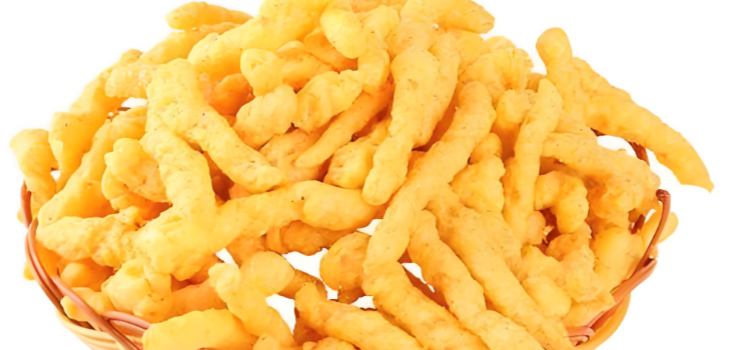
«Куркуре» — эти неповторимые, волнистые и невероятно хрустящие кукурузные снеки — производятся с помощью специального процесса экструзии, в ходе которого простая кукурузная крупа превращается в всеми любимый снек. Для получения продукта высшего качества необходимо тщательно соблюдать принципы пищевой науки и технологии на каждом этапе производства. Вот десять профессиональных рекомендаций по изготовлению «Куркуре» премиум-класса.
1. Выберите кукурузную крупу премиум-класса, обеззараженную, с однородным размером частиц
Основа высокого качества продукта «Куркуре» — это сырье. Используйте высококачественную желтую кукурузную крупу без зародышей с однородным средне-крупным размером частиц.
- Почему это важно: Слишком мелкие зерна могут чрезмерно расширяться, образуя хрупкую структуру, которая легко ломается; слишком крупные зерна приводят к образованию плотной, твёрдой текстуры с плохим расширением.
- Решение: Введите строгий контроль качества поступающей продукции. Отбраковывайте партии с неравномерным размером частиц или с посторонними запахами, возникшими в результате ненадлежащего хранения. Для улучшения текстуры рекомендуется рассмотреть возможность добавления таких дополнительных ингредиентов, как рисовая мука или картофельный крахмал.
2. Освойте процесс экструзии: основа производства «Куркуре»
Именно в процессе экструзии образуются характерные для этого продукта пухкость и спиралевидная форма. Кукурузную крупу увлажняют, подают в экструдер с вращающейся головкой, где она подвергается сдавливанию, скручиванию и продавливанию через матрицу, в результате чего образуются спирали, которые затем обрезаются до нужной длины.
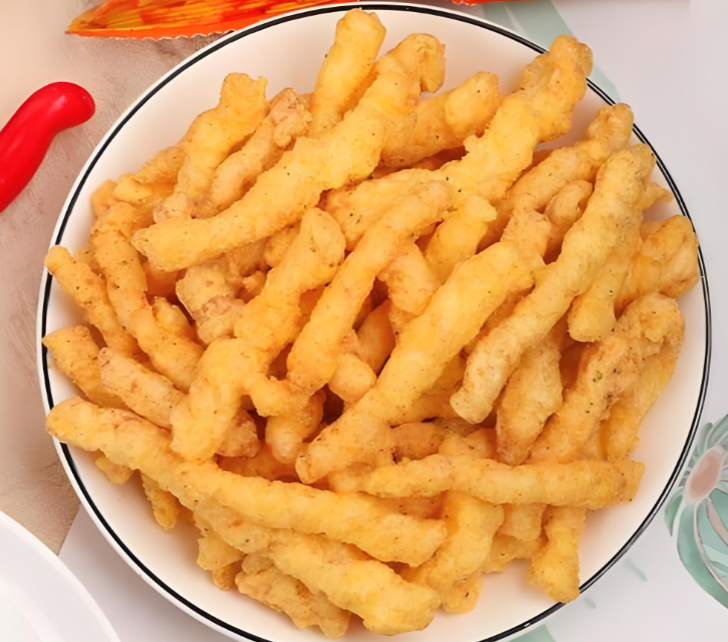
- Почему это важно: Несогласованные параметры экструзии являются основной причиной некачественной текстуры, неравномерного раздувания и изменения цвета.
- Решение: Необходимо тщательно отслеживать и регулировать три ключевых параметра: скорость вращения шнека, содержание влаги и температуру матрицы. Необходимо использовать современное оборудование с точными системами управления. Исследования показывают, что скорость вращения шнека и содержание влаги существенно влияют на водопоглощение и растворимость, а содержание влаги и температура определяют насыпную плотность и гелеобразование крахмала.
3. Оптимизация параметров экструзии: температура, давление и влажность
В цилиндре экструдера тесто подвергается сильному механическому сдвигу, интенсивному давлению (10–20 бар) и высоким температурам (150–180 °C). В результате крахмал гелетизируется, а вода превращается в перегретый пар.
- Почему это важно: Внезапное падение давления при выходе теста из форсунки приводит к тому, что перегретая вода мгновенно превращается в пар, в результате чего тесто мгновенно раздувается. Избыток влаги приводит к тому, что тесто становится размоченным и не раздувается должным образом; недостаток влаги препятствует его достаточному раздуванию.
- Решение: Поддерживайте влажность теста на уровне 12–15%. Оптимальный температурный диапазон для распухания составляет 150–180 °C. Не допускайте пережаривания, так как это приводит к появлению привкуса гари и неравномерной текстуре.
4. Уделяйте внимание геометрии и конструкции штампа
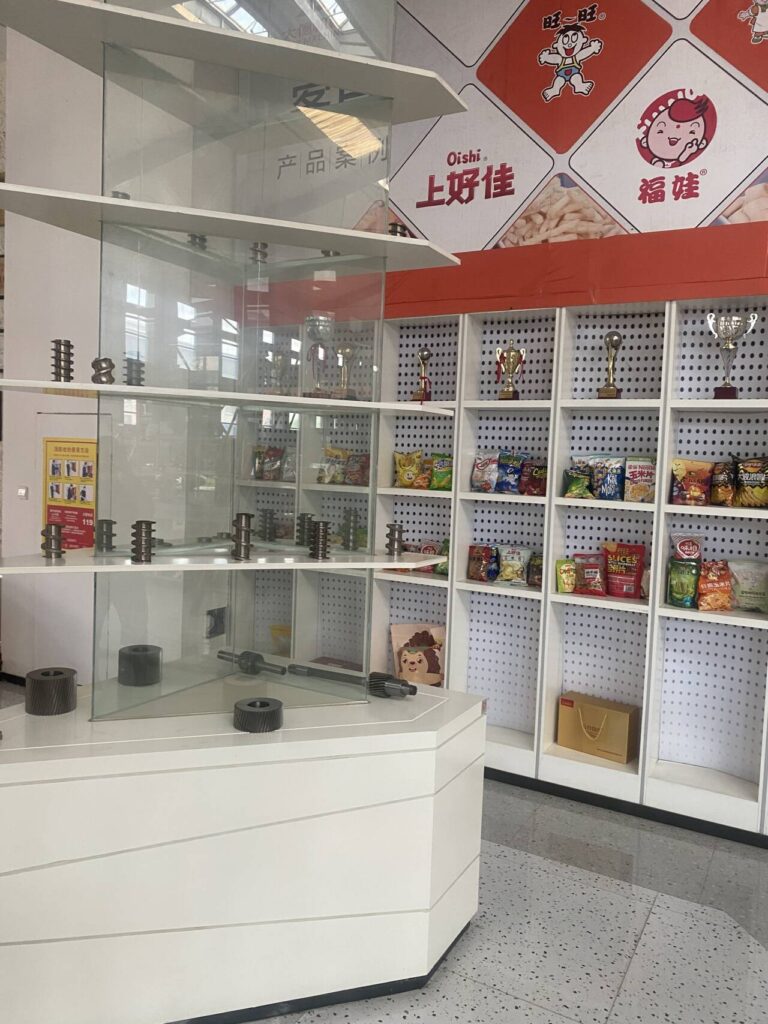
Матрица определяет форму конечного изделия — будь то витая, спиральная или прямая — и играет решающую роль в обеспечении равномерности потока и объёма расширения.
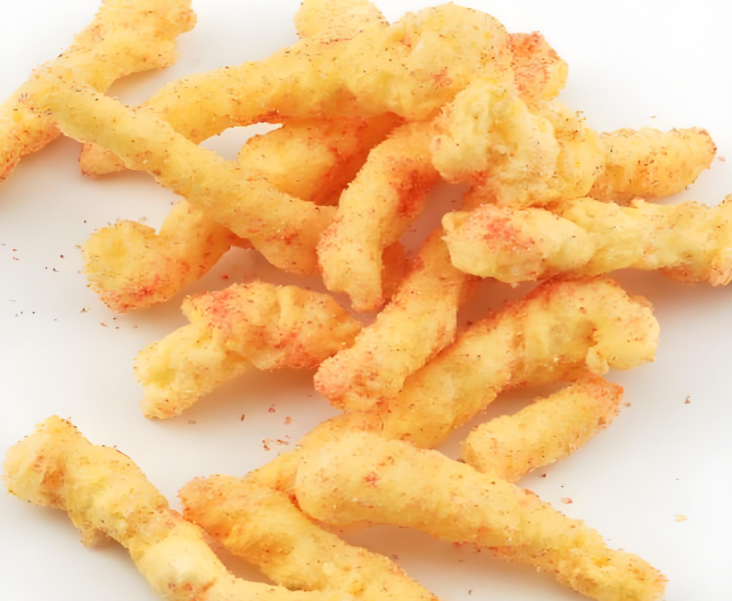
- Почему это важно: Конструкция матрицы существенно влияет на характеристики потока материала, объем расширения и общее качество продукции. Исследования показывают, что оптимизация количества сопел и соотношения длины к диаметру (L/D) позволяет свести к минимуму колебания потока и обеспечить стабильную основу для его протекания.
- Решение: Для получения классической формы кудряшек «Куркуре» следует использовать соответствующую конфигурацию матрицы. Результаты исследований указывают на оптимальную конструкцию матрицы — например, 14 сопел с соотношением L/D, равным 1,25 — для обеспечения равномерности потока. Использование различных матриц позволяет получать разные варианты формы.
5. Контролируйте процесс жарки для достижения оптимальной хрусткости
После экструзии и нарезки «куркуре» обычно обжаривают в растительном масле, чтобы придать им характерную хрусткость.
- Почему это важно: Температура и качество масла напрямую влияют на текстуру, цвет и вкус. Неправильная температура приводит к тому, что блюда получаются жирными, недожаренными или подгоревшими.
- Решение: Для получения золотистой хрустящей корочки поддерживайте температуру масла на уровне 170–190 °C. Используйте масло с высокой стабильностью и нейтральным вкусом, например, подсолнечное масло с высоким содержанием олеиновой кислоты или кукурузное масло, которое выдерживает высокие температуры жарки без потери свойств. Установите системы фильтрации масла для поддержания его качества и предотвращения появления посторонних привкусов.
6. Нанесите ровный слой масла и приправ
Пористая структура жареного «Куркуре» специально разработана для удержания приправ. Приправы наносятся в вращающемся барабане: сначала в качестве связующего вещества распыляется масло, а затем наносится сухая смесь приправ.
- Почему это важно: Неравномерная приправа портит впечатления потребителя — одни кусочки оказываются безвкусными, а другие — чрезмерно солеными или острыми.
- Решение: Следите за тем, чтобы масло распылялось в виде мелкого, равномерного тумана при теплой температуре, обеспечивающей оптимальную текучесть. Отрегулируйте скорость вращения барабана для приправы, чтобы обеспечить равномерное перемешивание и нанесение покрытия без повреждения продукта. Используйте антислеживающие добавки в смесях приправ для поддержания стабильной текучести порошка.
7. Обеспечить постоянный контроль качества на каждом этапе
Не стоит полагаться исключительно на итоговую проверку. Проблемы необходимо выявлять и устранять в режиме реального времени.
- Почему это важно: Проблема, возникающая в процессе экструзии, может проявиться только после выдержки, и к тому моменту уже будет потеряно значительное количество продукции.
- Решение: Внедрите контроль качества на всех этапах производственной линии:
- Контроль качества входных данных: Проверить размер частиц и качество сырья.
- Контроль качества на линии: Контролируйте текстуру, размер и цвет стержней, выходящих из экструдера и сушилки.
- Окончательный контроль качества: Используйте металлодетекторы, весовые контроллеры и оптические сортировочные установки для удаления посторонних предметов, мешков с недостаточным или избыточным весом, а также бракованной продукции перед отправкой. Современные системы компьютерного зрения могут автоматически оценивать визуальные характеристики, такие как размер, форма и однородность цвета.
8. Использовать упаковку с высоким барьером и промывкой азотом
Куркуре обладают высокой гигроскопичностью (они впитывают влагу), а содержащиеся в них жиры легко окисляются, что приводит к потере свежести и появлению прогорклости.
- Почему это важно: Под воздействием влаги снеки становятся мягкими и жевательными, теряя свой характерный хруст. Под воздействием кислорода масла окисляются, что приводит к появлению посторонних привкусов.
- Решение: Используйте многослойные упаковочные пленки с высокими барьерными свойствами. Обеспечьте промывку азотом во время упаковки для удаления кислорода, предотвращения окисления и создания амортизирующего слоя, защищающего хрупкие палочки от поломки при транспортировке.
9. Перед упаковкой дайте продукту как следует остыть
Только что обжаренные и обваленные в панировке куркуре ещё тёплые, и перед упаковкой их необходимо остудить.
- Почему это важно: Упаковка теплого продукта может привести к задержке влаги, что вызывает образование конденсата внутри пакета, в результате чего снеки становятся размокшими и быстрее прогоркают.
- Решение: Пропустите продукт через охлаждающий туннель, где он охлаждается воздухом комнатной температуры или охлажденным воздухом. Этот процесс обеспечивает закрепление покрытия и придаёт продукту окончательную хрусткость перед упаковкой.
10. Проведение испытаний на герметичность и срок хранения
Заключительным этапом обеспечения качества является проверка того, что упаковка выполняет свою защитную функцию.
- Почему это важно: Повреждённая герметичная упаковка приводит к проникновению влаги и кислорода, что резко сокращает срок хранения и лишает продукт хрусткости.
- Решение: Регулярно проводите проверки целостности уплотнений. Проводите испытания на срок хранения — храните образцы при повышенной температуре и влажности, а затем оценивайте их текстуру, вкус и сохранность витаминов. К отгрузке допускайте только те партии, которые соответствуют всем критериям.
Заключительный совет: Производство высококачественного «Куркуре» представляет собой сложное взаимодействие пищевой науки, точного машиностроения и строгого контроля качества. Освоив эти десять основных принципов — от выбора сырья до современной упаковки — производители могут стабильно выпускать снек, который радует потребителей своим фирменным хрустом и насыщенным вкусом, выделяясь на конкурентном рынке снеков.