Dez dicas essenciais para o processamento de arroz fortificado de alta qualidade
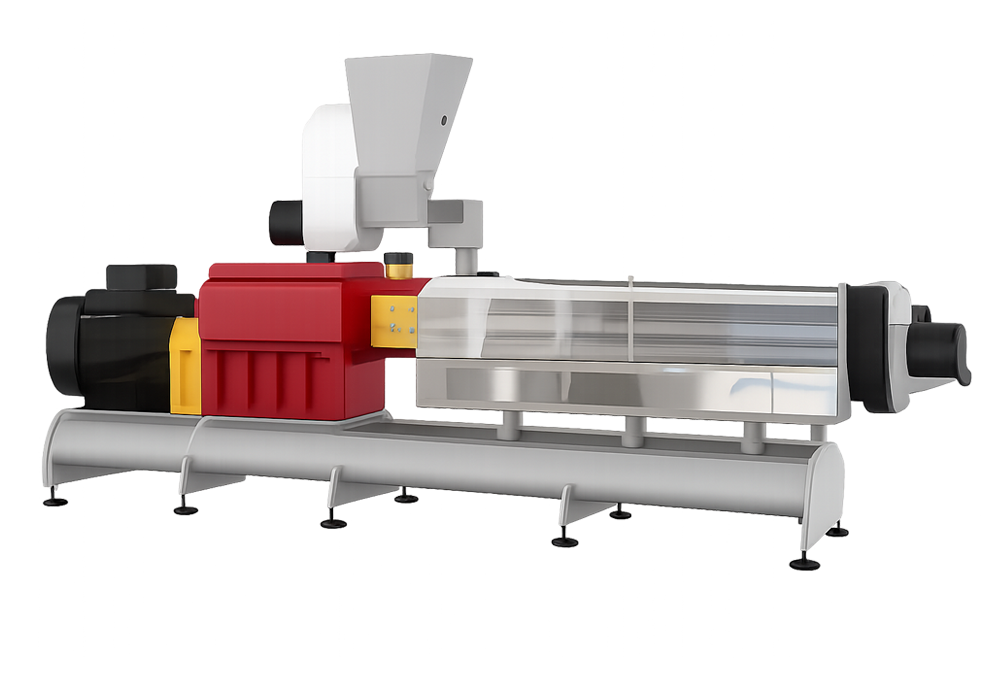
O arroz fortificado — também conhecido como arroz enriquecido ou melhorado — é produzido através da adição de vitaminas, minerais e, por vezes, proteínas essenciais ao arroz branqueado, com o objetivo de colmatar deficiências nutricionais. Máquina de produção de arroz fortificado. No entanto, a produção de alta qualidade O arroz fortificado não se resume simplesmente a misturar nutrientes com os grãos. O processamento deve preservar as características sensoriais, a estabilidade dos nutrientes e o desempenho na cozedura. Seguem-se dez recomendações profissionais para se obter um arroz fortificado de qualidade superior.
1. Comece com Arroz de Base Premium (Seleção da Matéria-prima)
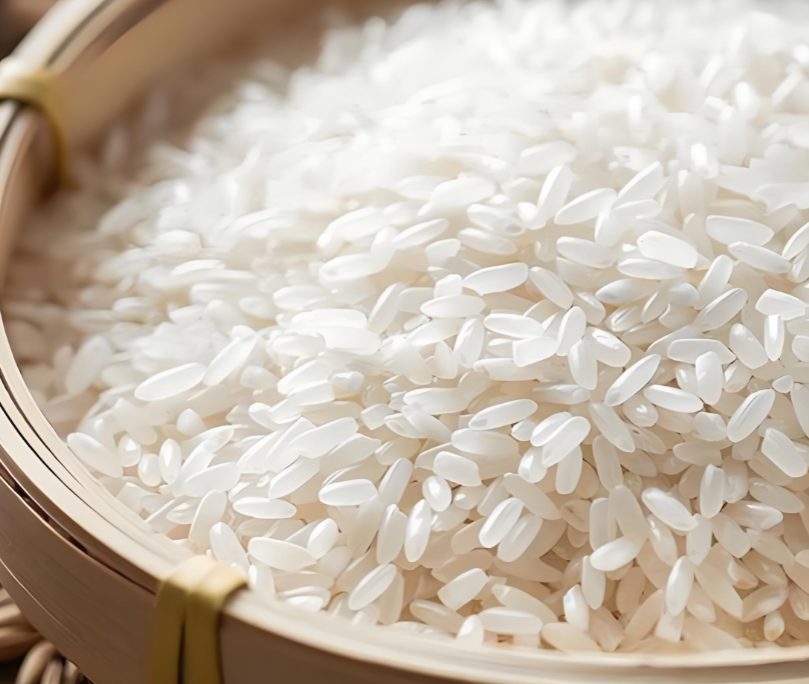
A fortificação de qualidade começa pelo próprio grão. Escolha arroz de grão longo ou médio, moído e bem polido, com baixa percentagem de grãos partidos (percentagem de grãos inteiros > 90%). Evite arroz envelhecido com odores desagradáveis ou elevado teor de amilose, que endurece ao arrefecer, uma vez que estes defeitos serão amplificados após a fortificação. O tamanho uniforme dos grãos garante um revestimento homogéneo e uma distribuição consistente dos nutrientes.
2. Otimizar o método de revestimento ou extrusão
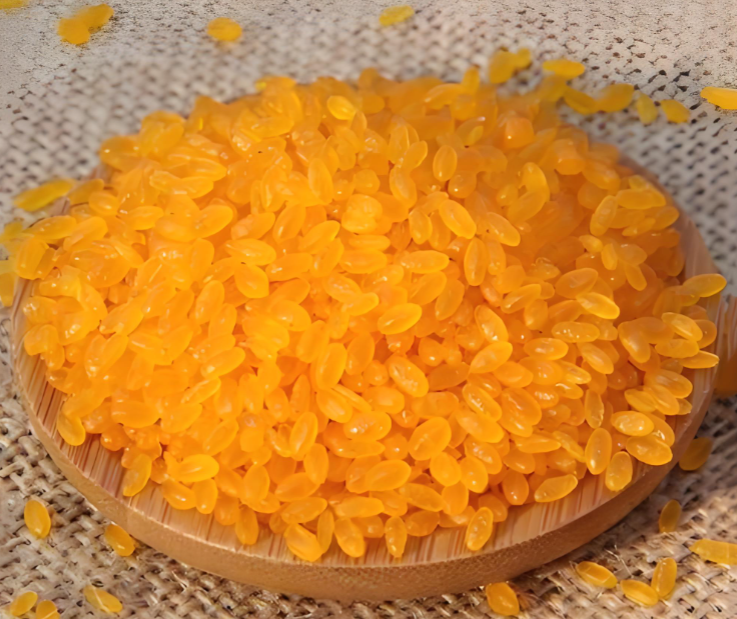
Existem duas tecnologias principais de fortificação —revestimento de superfície (pulverização ou aplicação em pó) e extrusão (produção de grãos sintéticos fortificados que imitam o arroz). Máquina de produção de arroz fortificado. Para produtos de gama alta, os “grãos reconstituídos” produzidos por extrusão (também denominados UFM — Ultra Rice Fortification) são superiores, uma vez que retêm os nutrientes no interior de uma matriz de amido, reduzindo a perda por lixiviação superficial. Se for utilizado um revestimento, recorra à absorção a vácuo ou à pulverização em leito fluidizado para obter uma camada fina e uniforme, sem aglomerações.
3. Controlar rigorosamente o teor de humidade (12–14%)
A humidade é o maior inimigo do arroz fortificado. Um nível demasiado elevado (>14%) favorece o crescimento de bolor e a degradação das vitaminas (especialmente a vitamina A e o complexo B). Um nível demasiado baixo (<11%) provoca fragilidade e um aumento da quebra durante o polimento ou a embalagem. Mantenha uma secagem rigorosa durante o processo com ar desumidificado a 40–45 °C e monitorize a humidade com sensores de infravermelho próximo (NIR) em todas as fases.
4. Utilizar nutrientes microencapsulados ou protegidos por lípidos
As vitaminas A, D e E são altamente sensíveis ao calor, à luz e ao oxigénio. Para preservar a sua potência durante a lavagem e a cozedura, utilize formas microencapsuladas em grânulos ou secas por pulverização, revestidas com amido, goma arábica ou óleo vegetal hidrogenado. Esta “camada protetora” protege os nutrientes até à fase final da cozedura, altura em que o calor os liberta. No caso das vitaminas hidrossolúveis (B1, B9, B12), opte por formas cristalinas revestidas que resistam à lixiviação.
5. Garantir uma mistura homogénea através de um protocolo de mistura por etapas
A distribuição uniforme é imprescindível. Em vez de deitar todos os ingredientes numa única batedeira, adote uma mistura em duas fases:
- Em primeiro lugar, misture a pré-mistura fortificada (nutrientes + aglutinante) com uma pequena porção (5–10%) de arroz de base para criar um lote-mestre.
- Em seguida, misture esta mistura-mestre com os restantes 90–95% de arroz num misturador de fita ou de pás durante, pelo menos, 15–20 minutos.
Verificar a homogeneidade através da análise de 10 amostras aleatórias quanto ao teor de ferro ou tiamina — o coeficiente de variação deve ser < 5%.
6. Aplicar ligantes comestíveis formadores de película para garantir a aderência
Se utilizar um revestimento de superfície, é essencial utilizar um aglutinante. Opte por amidos modificados de qualidade alimentar (por exemplo, amido hidroxipropilado), maltodextrina ou goma de acácia dissolvida em água morna (≤50 °C). Pulverize primeiro a solução aglutinante, depois espalhe o pó nutritivo e, por fim, proceda a uma secagem suave. Isto cria uma película transparente e invisível que reduz a perda de nutrientes por dispersão durante a embalagem e o transporte. Evite polímeros sintéticos ou ceras que alterem a textura dos alimentos durante a cozedura.
7. Estabilizar com sistemas antioxidantes
A oxidação é a causa oculta do ranço e da perda de nutrientes. Adicione misturas antioxidantes sinérgicas — tais como tocoferóis mistos (vitamina E) + palmitato de ascorbilo + ácido cítrico — em teores conformes com o Codex Alimentarius (normalmente 200–500 ppm). Estes são aplicados quer no interior da matriz de extrusão, quer na solução de revestimento. Protegem também os lípidos naturais do arroz, prolongando o prazo de validade para 12–18 meses sem sabores indesejáveis.
8. Proceder a uma secagem suave, a baixa temperatura, após a fortificação
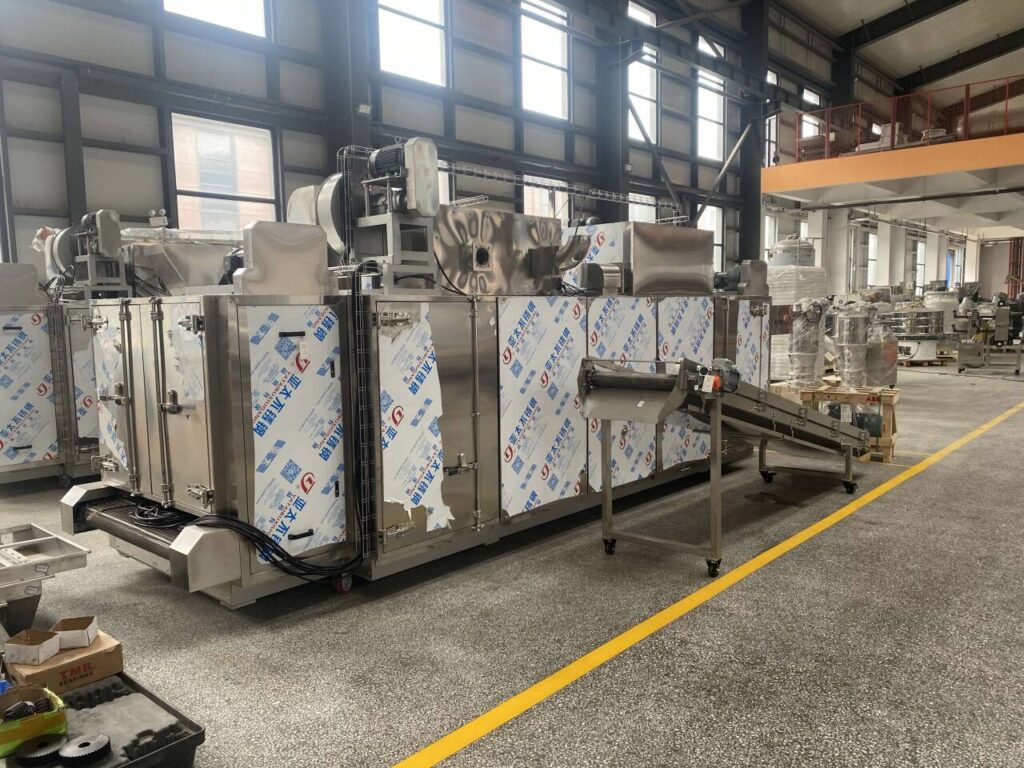
A secagem pós-fortificação deve ser lenta e a baixa temperatura. Utilize um secador de correia contínua com ar a 35–40 °C durante 30–40 minutos, garantindo que a humidade final regresse a 12,5%. A secagem rápida ou a alta temperatura (> 50 °C) provoca fissuras superficiais (“checking”), levando à quebra dos grãos durante a cozedura e a uma textura pastosa na boca. O fluxo de ar deve ser perpendicular ao leito de grãos para evitar a fluidização e danos mecânicos.
9. Harmonização de cores e aspeto — A regra da “integração”
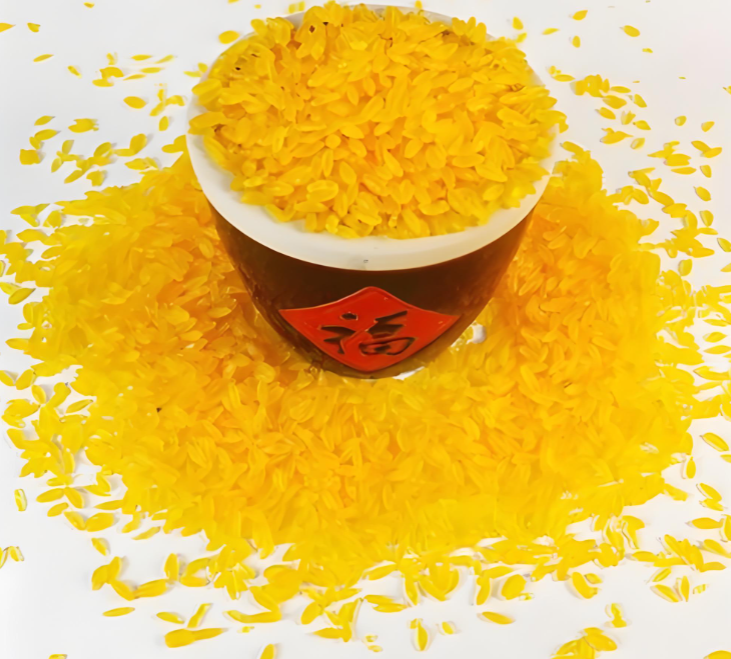
Os consumidores rejeitam o arroz fortificado que tenha um aspeto visivelmente diferente. No caso dos grãos extrudidos, deve-se igualar a cor, a opacidade e a relação comprimento/largura do arroz de base, utilizando farinha de arroz natural e dióxido de titânio de qualidade alimentar (ou carbonato de cálcio) para o branqueamento, ou corante caramelo para as variantes de arroz integral. No caso do arroz revestido, evite o uso excessivo de opacificantes que tornem os grãos com aspecto gessoso. Realize testes visuais com painéis de avaliação sob iluminação normal de cozinha — qualquer mancha visível reduz a aceitabilidade no mercado.
10. Garantia de qualidade (QA) rigorosa com testes rápidos
Configurar uma estação de controlo de qualidade em linha para verificar:
- Teor de nutrientes (utilizando fluorescência de raios X ou espectroscopia Raman portátil para a medição em tempo real do ferro e do zinco).
- Teste de Cook—cada lote deve ser fervido durante 15 a 20 minutos; verifique se o caldo está límpido (não turvo), se os grãos permanecem separados e se não há nenhum núcleo branco.
- Teste de resistência à lavagem—enxaguar as amostras em 3 trocas de água; reter ≥85% dos micronutrientes adicionados.
- Teste de resistência ao prazo de validade—armazenar as amostras a 40 °C/75% de humidade relativa durante 2 semanas; realizar testes para determinar a retenção de vitaminas e o índice de peróxidos.
Registe todos os resultados de forma a permitir a sua rastreabilidade. Apenas liberte os lotes que cumpram os três critérios.
Conselho final: Mesmo o melhor processamento não consegue compensar um manuseamento inadequado na pós-produção. Embale o arroz fortificado em sacos multicamadas de alta barreira e com capacidade de captura de oxigénio (por exemplo, PET/folha de alumínio/PE) sob vácuo ou com injeção de azoto. Armazene em condições frescas e secas (< 25 °C, < 65% de humidade relativa). Dê formação aos seus operadores para que compreendam porquê Cada passo é importante — a qualidade é, em última análise, um processo impulsionado pelas pessoas. Com estes dez pilares, o seu arroz fortificado não só irá nutrir como também encantar o consumidor, colherada após colherada.