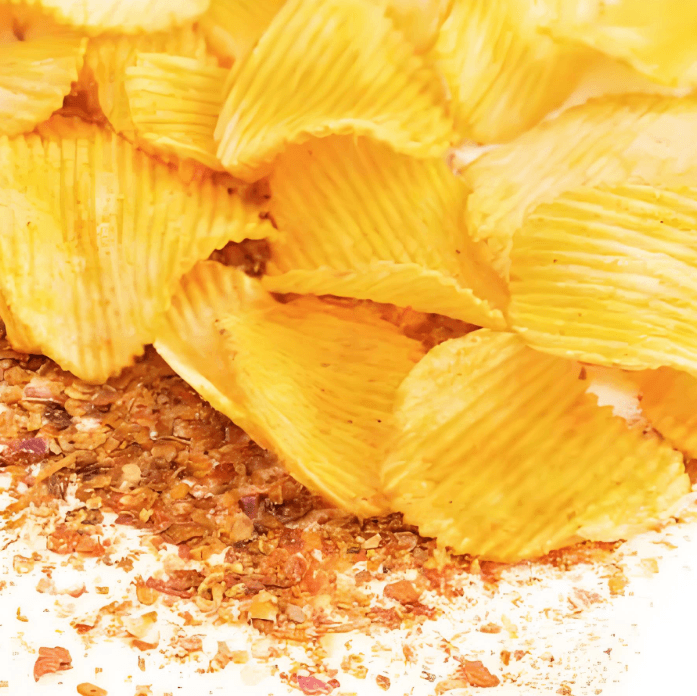
Producing high-quality puffed breakfast cereals is a sophisticated balancing act of ingredient science, extrusion technology, and precise process control. Unlike flaked cereals, puffed products rely on the explosive expansion of starch when it exits a high-pressure, high-temperature environment. To achieve that desirable light, crispy texture and appealing appearance, manufacturers must master several critical factors.
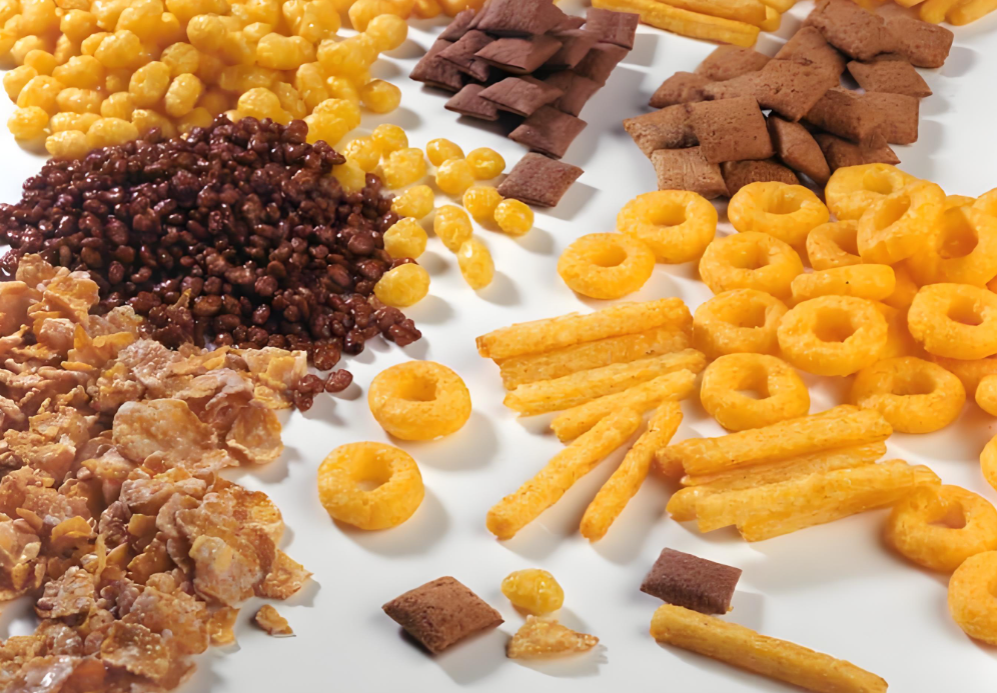
1. The Foundation: Raw Material Selection and Formulation
The journey to a great puffed cereal begins with the right blend of flours and starches. While corn, rice, and wheat are common bases, the inclusion of other grains can significantly alter the final product’s quality.
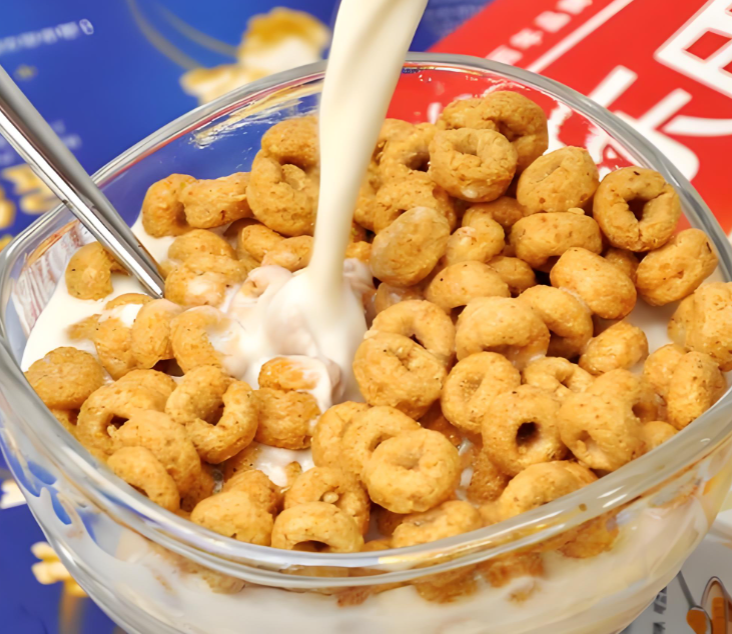
- Optimizing Feed Composition: Research has shown that the ratio of different grains directly impacts key quality attributes like expansion, hardness, and bulk density. One study optimized a whole-grain blend of whole wheat flour (10%), whole barley flour (10%), Indian horse chestnut flour (2.5%), and whole corn flour (77.5%) to achieve a product with desirable porosity and rehydration ratios. Similarly, blending rice with defatted sesame can boost the nutritional profile, with one formulation achieving over 20% protein content.
- Moisture Content of the Feed: The initial moisture of the flour blend is arguably the most critical variable. A feed moisture of around 12–14% is often cited as optimal. Research on rice and sesame blends tested moisture levels of 10–30% and found that the ideal balance of functional and sensory properties was achieved at the lower end of this spectrum. Too much moisture leads to denser, less expanded products, while too little can result in poor dough formation and inconsistent puffing.
2. The Heart of the Process: Extrusion Cooking Parameters
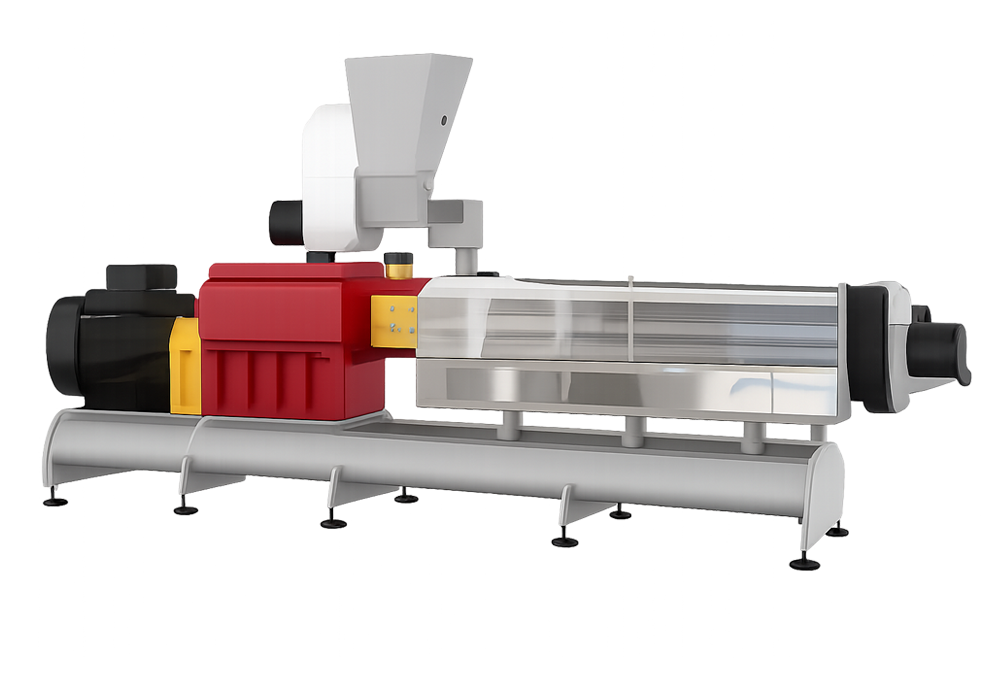
The extrusion process is where the raw ingredients are transformed into the puffed cereal base. Twin-screw extruders are the industry standard, offering precise control over temperature, pressure, and shear, which allows for a wide variety of shapes and textures.
- Barrel Temperature: This variable is a key driver of starch gelatinization and expansion. Different studies have identified different optimal temperatures:
- A study on whole-grain cereals found an optimal barrel temperature of 110°C.
- Research on rice-sesame cereals examined temperatures up to 140°C, while another gluten-free study using rice and teff explored temperatures up to 150°C, showing that higher temperatures generally correlate with greater expansion but can lead to a harder texture if overdone.
- Screw Speed: Higher screw speeds generally increase shear and can improve expansion. One study on whole-grain cereals identified an optimal screw speed of 380 rpm. Increasing the speed can also influence the water solubility index and overall product hardness.
- Residence Time and Pressure: The controlled environment inside the extruder is what creates the puffed structure. As the dough is cooked and forced through a die, the sudden drop in pressure causes the superheated moisture to flash off, creating the porous, expanded structure.
3. The Final Touch: Drying, Toasting, and Coating
After extrusion, the puffed pieces must be stabilized and finished.
- Post-Extrusion Drying: The product must be dried to a very low moisture content to ensure maximum crispness and a long shelf life. The final moisture content for shelf-stable puffed cereals is typically around 3%. Drying must be done carefully; if it is too rapid, it can cause case hardening and trap moisture inside, leading to a soggy texture over time.
- Sugar Coating and Enrobing: For presweetened cereals, a sugar coating is applied after drying. This serves dual purposes: it adds sweetness and significantly improves the desired crispness by providing a hard, thin shell around the puffed piece. This step is crucial because the high heat of the cooking and puffing steps can degrade heat-sensitive vitamins and drive off volatile flavor compounds, which can then be restored in the sugar coating, along with flavors and colors. The sugar solution, often a syrup of sucrose, corn syrup, and water, is enrobed onto the base and then dried again to bring the final moisture to below 4%.
4. Defining Quality: Key Attributes to Monitor
Understanding what constitutes a “high-quality” product is essential for process control. Research has identified the most critical quality traits to monitor.
| Quality Attribute | Why It Matters |
|---|---|
| Expansion Ratio | This is the most visible sign of quality. A high expansion ratio indicates a light, airy, and porous structure, which is highly desirable. |
| Crispness & Hardness | The texture is the primary sensory attribute. Consumers expect a satisfying “snap.” Crispness and hardness are inversely related to expansion. The goal is to achieve a balance—crisp but not hard. |
| Color (a* Value) | Visual appeal is critical. The color (often measured by the a* value, which indicates redness/greenness) is a key quality indicator and is directly impacted by Maillard reactions during cooking and toasting. |
| Bowl Life | This refers to how long the cereal retains its crispness after milk is added. Good bowl life is directly linked to the product’s final moisture content and the integrity of its porous structure. |
Conclusão
Producing high-quality puffed breakfast cereals is a precise science. It requires careful optimization of every stage, from selecting the right grain blend and controlling initial moisture, to mastering the extrusion parameters of temperature and screw speed. The final drying and coating stages are equally vital for achieving the perfect texture and shelf stability. By diligently monitoring key quality attributes like expansion ratio, crispness, and color, manufacturers can consistently deliver a product that is both delicious and structurally excellent.