Introduzione
Dog food has evolved from simple household leftovers into a highly engineered food product designed to deliver balanced nutrition, safety, convenience, palatability, and long shelf life. Modern dog food processing is no longer just about mixing ingredients and shaping them into pellets. It is a multidisciplinary industrial system involving raw material selection, formulation design, particle size control, thermal processing, extrusion, drying, coating, packaging, quality assurance, and regulatory compliance.
As pet ownership has increased and consumers have become more concerned about animal health, the dog food industry has moved toward scientific feeding standards and advanced processing technologies. Today, dog food manufacturing must satisfy a wide range of requirements: nutritional adequacy, digestibility, food safety, stable shelf life, appealing texture and flavor, and cost efficiency. At the same time, manufacturers face challenges such as raw material variability, increasing demand for natural and premium products, sustainability pressure, and stricter quality standards.
This article provides a detailed discussion of dog food processing technology, covering the entire production chain from raw materials to finished products. It aims to explain not only how dog food is made, but also why each processing step matters. The discussion includes dry kibble, semi-moist products, wet canned foods, and special functional diets. It also explores the scientific and engineering principles behind extrusion, drying, fat coating, packaging, and quality control.
- The Role of Dog Food Processing
Dog food processing serves several essential purposes.
1.1 Ensuring Nutritional Balance
A complete dog food must provide proper levels of protein, fat, carbohydrates, vitamins, minerals, and water. Processing helps transform raw ingredients into a consistent product that delivers these nutrients in a stable and digestible form.
1.2 Improving Safety
Raw animal and plant ingredients may contain pathogens, dog food making machine spoilage organisms, toxins, foreign materials, or contaminants. Thermal processing reduces microbial load and makes the food safer for dogs.
1.3 Enhancing Digestibility
Raw ingredients often contain complex structures that are difficult for dogs to digest efficiently. Heat treatment, grinding, and extrusion break down starches and proteins, improving nutrient availability.
1.4 Creating Acceptable Texture and Taste
Dogs are highly responsive to aroma, texture, shape, and mouthfeel. Processing determines kibble hardness, expansion, crunchiness, moisture level, and surface coating, all of which influence acceptability.
1.5 Extending Shelf Life
Dog food must remain stable during storage and distribution. dog food making machine Moisture control, packaging, antioxidants, and controlled processing prevent rancidity, mold growth, and nutrient degradation.
1.6 Meeting Commercial Requirements
Large-scale pet food production requires high throughput, low cost, consistent quality, and efficient use of raw materials. Processing technology allows manufacturers to standardize products despite ingredient variability. - Overview of Dog Food Product Types
Different dog food categories require different processing methods.
2.1 Dry Dog Food
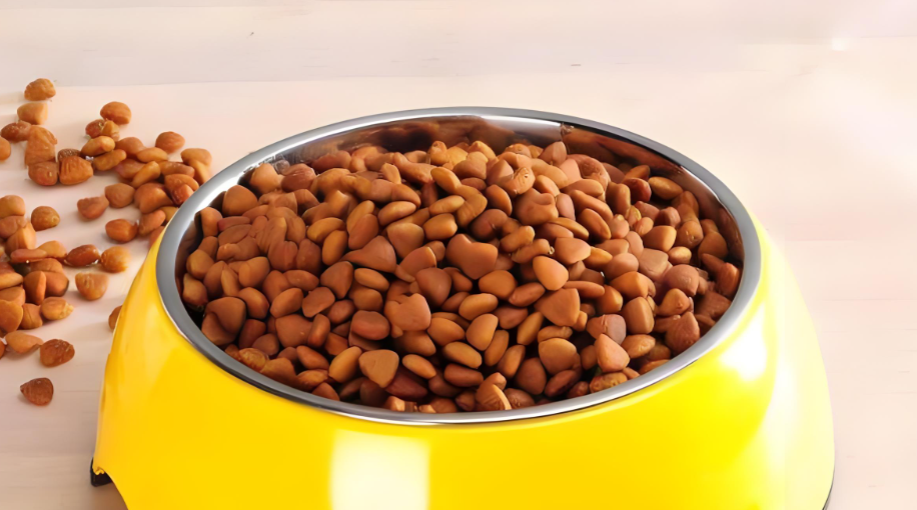
Dry dog food, often called kibble, is the most common form. It typically contains low moisture, long shelf life, and is produced mainly by extrusion. It is appreciated for convenience, affordability, and dental benefits.
2.2 Semi-Moist Dog Food
Semi-moist products contain more water than kibble but less than canned food. They are soft, chewy, and often flavored for palatability. Their processing commonly involves humectants and specialized preservation systems.
2.3 Wet Dog Food
Wet foods are usually canned or pouched and have high moisture content. They are produced by mixing ingredients, filling containers, sealing, and retort sterilization.
2.4 Air-Dried and Freeze-Dried Products
These premium products are minimally cooked or gently processed to preserve flavor and nutrient integrity. They are often marketed as natural or highly digestible options, though they require strict microbiological control.
2.5 Functional and Therapeutic Diets
These foods are formulated for specific life stages or medical conditions such as puppy growth, weight management, kidney support, digestive sensitivity, or skin health. Their processing may involve precise control of nutrient density and ingredient functionality. - Raw Materials in Dog Food Manufacturing
Dog food formulation begins with ingredient selection. Raw materials are usually grouped into protein sources, carbohydrate sources, fat sources, fiber sources, vitamin-mineral premixes, and functional additives.
3.1 Protein Sources
Protein is a critical nutrient in dog food. Common sources include:
Chicken meal
Turkey meal
Beef meal
Fish meal
Meat and bone meal
Poultry by-product meal
Soy protein concentrate
Pea protein
Egg products
Wheat gluten
Animal proteins are usually valued for amino acid profile and palatability, while plant proteins can help reduce cost and support certain claims.
3.2 Carbohydrate Sources
Carbohydrates provide energy and structural function in kibble. Typical ingredients include:
Corn
Wheat
Rice
Barley
Oats
Sorghum
Potato
Sweet potato
Tapioca
Starches are especially important in extrusion because they help form the expanded, crisp structure of dry kibble.
3.3 Fat Sources
Fats enhance energy density, palatability, and nutrient absorption. Examples include:
Chicken fat
Beef tallow
Fish oil
Poultry oil
Vegetable oils such as soybean oil or sunflower oil
The fat source affects flavor, oxidative stability, and omega-3 or omega-6 fatty acid content.
3.4 Fiber Sources
Fiber contributes to stool quality, satiety, glycemic response, and digestive health. Common sources include:
Beet pulp
Cellulose
Crusca di riso
Pea fiber
Oat hulls
Pumpkin fiber
3.5 Vitamin and Mineral Premixes
Because raw ingredients may not supply sufficient micronutrients after processing, a balanced premix is usually added. It contains vitamins A, D, E, K, B-complex vitamins, and minerals such as calcium, phosphorus, zinc, iron, copper, selenium, manganese, and iodine.
3.6 Functional Additives
These may include:
Antioxidants
Preservatives
Probiotics
Prebiotics
Enzymes
Omega-3 supplements
Chelated minerals
Flavor enhancers
Colorants
Joint-support compounds such as glucosamine and chondroitin
Functional ingredients must be selected carefully because they can be sensitive to heat and moisture.
- Raw Material Reception and Storage
Raw material handling is the first stage of production. It is critical to food safety and final product consistency.
4.1 Supplier Qualification
Manufacturers usually work only with approved suppliers that meet specifications for quality, traceability, and safety. Supplier audits may cover:
Ingredient origin
Processing methods
Contamination control
Documentation
Transportation conditions
4.2 Inspection on Arrival
Incoming ingredients are checked for:
Identity
Contenuto di umidità
Protein and fat content
Odor
Colore
Particle contamination
Microbiological status
Foreign matter
4.3 Storage Conditions
Ingredients must be stored to prevent spoilage. Key principles include:
Dry ingredients in cool, dry areas
Fats in sealed tanks or containers
Frozen or refrigerated animal materials where required
First-in-first-out inventory management
Pest control
Moisture protection
Improper storage can lead to mold growth, oxidation, nutrient loss, or infestation.
- Formulation and Recipe Design
Dog food formulation is a scientific balancing act. It must satisfy nutritional standards while remaining manufacturable and affordable.
5.1 Nutritional Requirements
Formulators refer to standards such as AAFCO or FEDIAF and may use veterinary nutrition guidelines. They consider:
Life stage: puppy, adult, senior
Activity level
Breed size
Health condition
Digestibility targets
Calorie density
Protein-to-fat ratio
Mineral balance
5.2 Ingredient Functionality
Different ingredients perform different technological roles:
Starches provide structure
Proteins affect texture and nutrition
Fats affect energy and flavor
Fibers influence extrusion and digestion
Minerals affect kibble hardness and density
5.3 Cost Optimization
The formulation must meet nutritional targets at a reasonable cost. Optimization software is often used to calculate ingredient inclusion levels.
5.4 Palatability Considerations
A technically complete formula may still fail commercially if dogs do not like it. Palatability depends on aroma, fat type, protein source, surface coating, and kibble shape.
5.5 Processing Constraints
A formula suitable on paper may not work well in the factory. For example, too much fat before extrusion may reduce expansion, while too little starch may cause poor kibble structure. Formulation and processing must be designed together.
- Grinding and Particle Size Reduction
Before mixing and extrusion, many ingredients must be ground to a uniform particle size.
6.1 Purpose of Grinding
Grinding improves:
Mix uniformity
Digestibility
Extrusion performance
Final texture
Heat transfer during processing
6.2 Equipment
Common milling equipment includes:
Hammer mills
Roller mills
Pin mills
Micronizers
6.3 Particle Size Effects
Finer particle size generally increases surface area and may improve digestibility, but extremely fine grinding can increase energy use, dust formation, and processing problems. Coarse particles may reduce digestibility and create inconsistent kibble texture.
6.4 Control Parameters
Important variables include:
Screen size
Rotor speed
Feed rate
Contenuto di umidità
Wear of mill components
Consistent particle size is important for stable extrusion and product quality.
- Mixing and Premixing
After grinding, ingredients are blended to create a homogeneous formulation.
7.1 Dry Mixing
Dry ingredients are mixed first, including meals, grains, fibers, and premixes. Proper sequence prevents segregation and improves distribution of micronutrients.
7.2 Liquid Addition
Water, steam, oils, or palatability enhancers may be added during or after dry mixing. In extrusion systems, preconditioning often introduces steam and water before the mix enters the extruder.
7.3 Mixing Objectives
The goal is:
Uniform nutrient distribution
Even moisture distribution
Stable feeding into the next process step
7.4 Mixing Problems
Poor mixing can cause:
Nutrient hotspots
Inconsistent product appearance
Variability in expansion
Uneven cook and digestibility
- Preconditioning
Preconditioning is a key step before extrusion in dry dog food production.
8.1 What Is Preconditioning?
Preconditioning combines dry mix with steam and water in a chamber equipped with mixing shafts. It hydrates ingredients and begins cooking before the material enters the extruder.
8.2 Functions of Preconditioning
Raises moisture content
Increases temperature
Begins starch gelatinization
Improves protein denaturation
Reduces mechanical load on extruder
Enhances throughput and product quality
8.3 Variables in Preconditioning
Important factors include:
Retention time
Steam injection rate
Aggiunta di acqua
Shaft speed
Temperatura
Feed composition
8.4 Benefits
Good preconditioning can improve:
Expansion
Digestibility
Kibble uniformity
Efficienza energetica
- Extrusion Technology
Extrusion is the core technology in dry dog food manufacturing. It is the process most closely associated with kibble production.
9.1 Principle of Extrusion
Extrusion involves forcing a moistened, cooked mixture through a barrel under heat, pressure, and mechanical shear. The product exits through a die, where sudden pressure release causes expansion.
9.2 Main Components of an Extruder
An extruder typically includes:
Feed hopper
Feeder system
Preconditioner
Canna
Rotating screws
Heating and cooling zones
Die plate
Cutter
9.3 Single-Screw vs Twin-Screw Extruders
Single-Screw Extruders
These are simpler and may be used in less complex systems. They provide good throughput but less flexibility.
Twin-Screw Extruders
These offer better control of mixing, shear, residence time, and ingredient versatility. They are common in modern pet food production.
9.4 Thermo-Mechanical Cooking
During extrusion, ingredients are cooked by:
External heat
Steam
Friction
Shear energy
This combination causes starch gelatinization, protein denaturation, and microbial reduction.
9.5 Expansion
As the dough exits the die, pressure drops rapidly and water flashes into steam, forming a porous structure. Expansion affects:
Kibble density
Floatation
Crunchiness
Appearance
9.6 Kibble Shape and Size
Die design and cutter speed determine final shape:
Round
Bone-shaped
Triangular
Cylindrical
Specialized brand shapes
Shape is important for consumer appeal and may influence chewing behavior.
9.7 Key Extrusion Variables
Barrel temperature
Contenuto di umidità
Screw speed
Feed rate
Die opening
Mechanical specific energy
Residence time
9.8 Process Challenges
Too much moisture may reduce expansion. Too little moisture may increase wear and cause poor cooking. Excessive heat may damage nutrients. Insufficient heat may leave the product undercooked.
- Drying
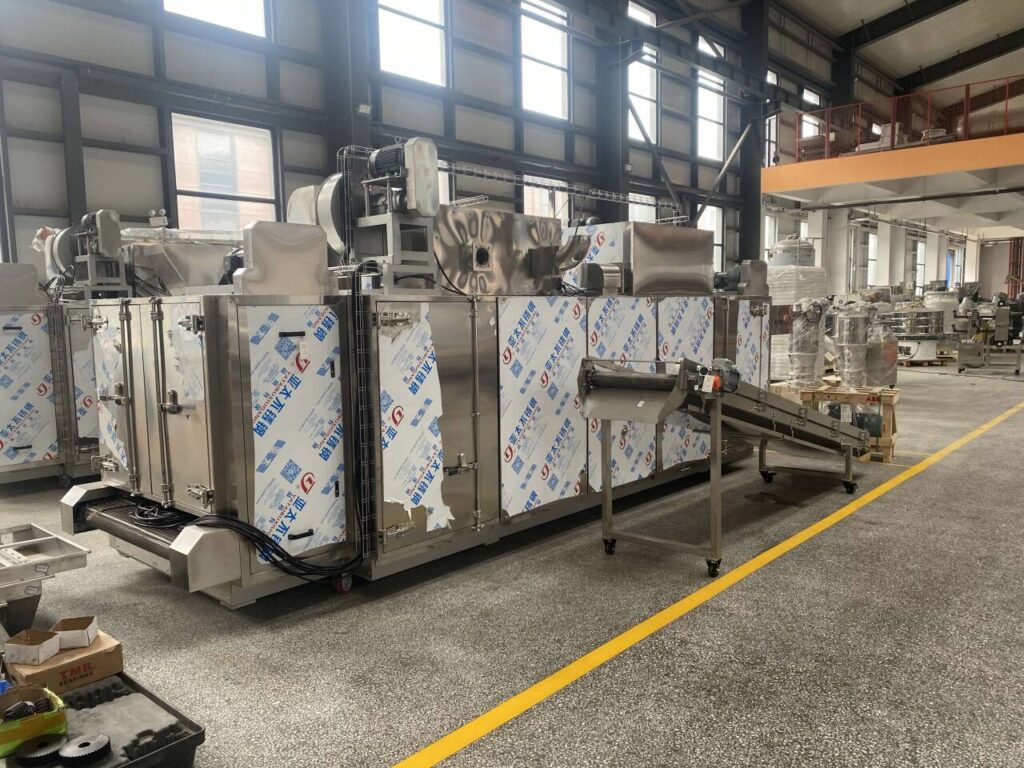
After extrusion, kibble still contains too much moisture for safe storage. Drying reduces moisture to shelf-stable levels.
10.1 Purpose of Drying
Drying:
Lowers water activity
Prevents microbial growth
Improves shelf life
Sets kibble texture
Stabilizes the product for coating and packaging
10.2 Dryer Types
Common dryers include:
Belt dryers
Multi-pass dryers
Fluidized-bed dryers
Tray dryers in smaller systems
10.3 Drying Variables
Air temperature
Airflow rate
Residence time
Product load
Initial moisture
Kibble size
10.4 Drying Effects
Proper drying produces a crisp, stable product. Overdrying can cause brittleness and nutrient damage. Underdrying can lead to mold growth or soft texture.
10.5 Moisture Gradient
Kibble often has higher internal moisture than surface moisture after drying. Conditioning and tempering may be used to balance moisture distribution.
- Raffreddamento
After drying, the product must be cooled before coating and packaging.
11.1 Why Cooling Is Necessary
Warm kibble can cause:
Condensation in packaging
Fat coating problems
Package distortion
Reduced shelf life
11.2 Cooling Equipment
Cooling is commonly performed in:
Counterflow coolers
Ambient air coolers
Fluidized coolers
11.3 Desired Outcome
The product should reach near-ambient temperature while maintaining structural integrity and appropriate moisture levels.
- Coating and Flavor Application
One of the most important final steps in dry dog food production is post-extrusion coating.
12.1 Why Coat Kibble?
Coating improves:
Palatability
Energy density
Nutrient supplementation
Surface appearance
Mouthfeel
12.2 Types of Coatings
Animal fats
Digest oils
Flavor digests
Palatant sprays
Vitamin or mineral solutions
Functional supplements
12.3 Application Methods
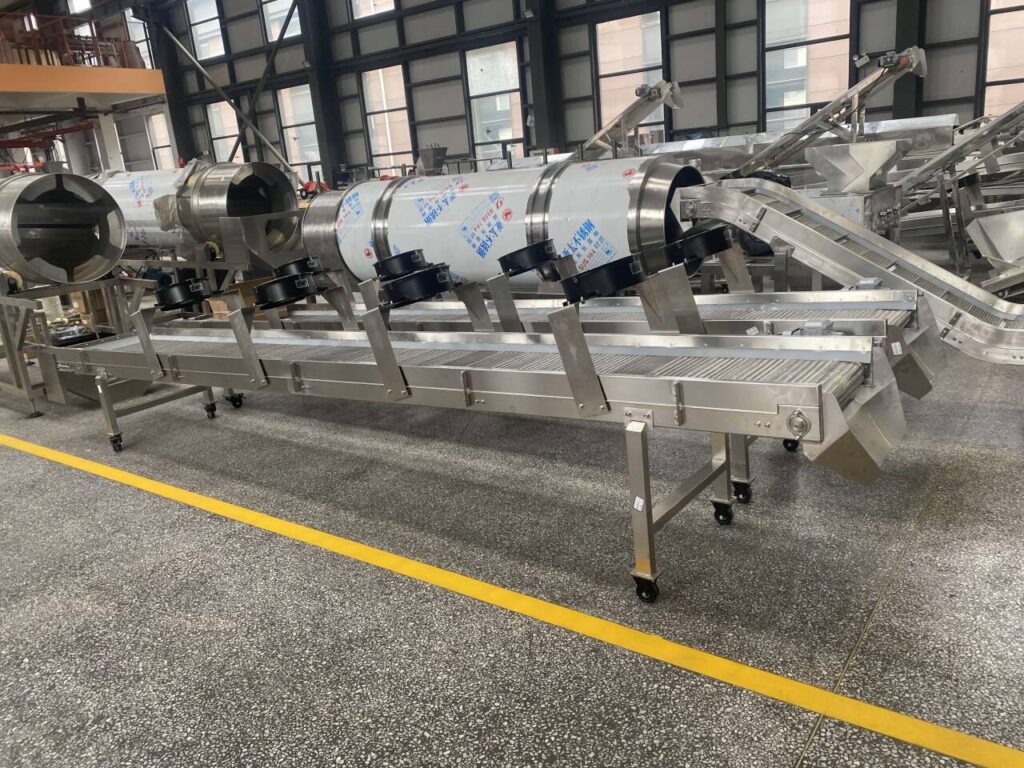
Coatings are usually sprayed in a rotating drum or continuous coating system. Vacuum coating may be used to improve absorption.
12.4 Importance of Uniformity
Even coating ensures that each kibble piece receives a similar level of flavor and nutrient enhancement. Poor coating can cause greasy surfaces, uneven taste, or nutrient separation.
12.5 Oxidation Control
Because fats can oxidize, antioxidants are often added to coating systems. Packaging also plays an important role in protection.
- Dry Dog Food Quality Characteristics
The physical and chemical properties of kibble determine consumer acceptance and performance.
13.1 Physical Properties
Important parameters include:
Density
Porosity
Hardness
Diameter
Length
Expansion ratio
Bulk density
13.2 Textural Properties
Dogs and owners often notice:
Crunchiness
Fracturability
Chew resistance
Surface roughness
13.3 Nutritional Properties
Quality is also defined by:
Protein digestibility
Amino acid retention
Fat stability
Vitamin retention
Mineral availability
13.4 Shelf-Life Properties
The product must remain:
Microbiologically safe
Free from rancid odors
Free from mold
Acceptable in color and texture
- Wet Dog Food Processing
Wet dog food has a very different manufacturing process from dry kibble.
14.1 Product Characteristics
Wet foods contain high moisture, often 70% or more. They are packaged in cans, trays, or pouches and sterilized for shelf stability.
14.2 Raw Material Preparation
Ingredients are selected for:
Flavor
Consistenza
Gel formation
Nutritional balance
Animal tissue, meat chunks, grains, thickeners, and gravy components are common.
14.3 Mixing and Forming
The formula may include:
Chopped meats
Meat emulsions
Gravies
Gels
Vegetable or cereal components
The product can be shaped before filling, or ingredients may be combined directly in the package.
14.4 Filling and Sealing
The mixture is filled into containers and hermetically sealed to prevent contamination.
14.5 Retort Sterilization
The sealed packages are heated under pressure in a retort to destroy pathogenic and spoilage organisms. Time and temperature are carefully controlled to achieve commercial sterility while minimizing nutrient damage.
14.6 Cooling and Storage
After sterilization, products are cooled and checked for seal integrity. Wet foods require careful handling to prevent contamination and package defects.
- Semi-Moist Dog Food Processing
Semi-moist products sit between dry kibble and wet food.
15.1 Moisture Management
They rely on humectants such as:
Glycerin
Propylene glycol in some markets
Sugars or salts in certain formulations
These help bind water and lower water activity.
15.2 Processing Features
Semi-moist products may be:
Mixed and shaped
Baked or extruded
Gently cooked
Packaged in moisture-retaining materials
15.3 Advantages and Limits
They are palatable and soft, but they are usually more expensive and require more careful preservation than dry food.
- Air-Dried and Freeze-Dried Processing
16.1 Air-Dried Products
Air-drying removes moisture at relatively low temperatures over time. This can preserve flavor and reduce thermal damage, but process control is essential to prevent microbial growth.
16.2 Freeze-Dried Products
Freeze-drying first freezes the food and then removes water by sublimation under vacuum. It preserves shape, aroma, and nutrients very well, but it is costly and slower than other methods.
16.3 Processing Considerations
These products need excellent raw material quality and strict sanitation because they often undergo less intense heat treatment than kibble or canned food. - Thermal Processing and Food Safety
17.1 Microbial Reduction
Heat treatment reduces common hazards such as:
Salmonella
E. coli
Listeria
Mold and yeast
17.2 Critical Control Points
Key control points may include:
Raw material receiving
Grinding
Thermal treatment
Post-process handling
Packaging environment
17.3 Hygienic Design
Equipment should be designed for easy cleaning, minimal residue accumulation, and resistance to contamination.
17.4 Sanitation Programs
Factories require:
Cleaning procedures
Environmental monitoring
Pest management
Employee hygiene controls
Validation of kill steps
- Nutrient Stability During Processing
Processing can damage sensitive nutrients if not carefully managed.
18.1 Heat-Sensitive Vitamins
Some vitamins, especially A, D, E, and some B vitamins, may degrade under heat and oxygen.
18.2 Fat Oxidation
Unsaturated fats are prone to oxidation, which can cause rancidity and reduce nutritional quality.
18.3 Protein Quality
Excessive heat can reduce amino acid availability, particularly lysine if severe Maillard reactions occur.
18.4 Mineral Bioavailability
Interactions with fiber, phytates, or processing conditions can influence mineral absorption.
18.5 Protective Strategies
Use overages in premixes
Add antioxidants
Minimize unnecessary heat exposure
Apply sensitive ingredients after processing where possible
Store properly
- Palatability Science
Palatability is one of the most important commercial factors in dog food.
19.1 What Influences Palatability?
Aroma
Fat type
Protein source
Consistenza
Size and shape
Coating
Moisture level
19.2 Testing Methods
Palatability is often evaluated using:
Two-bowl preference tests
First-choice tests
Consumption ratio analysis
Owner observation studies
19.3 Processing Effects
Extrusion can create desirable aromatic compounds through Maillard reactions, but too much thermal damage can reduce acceptability. Coating often plays a larger role than base formula in final palatability.
- Functional Dog Food Processing
Specialty dog foods may target specific health outcomes.
20.1 Weight Management Diets
These often use:
Lower calorie density
Higher fiber
Controlled fat content
High protein to preserve lean mass
20.2 Puppy Diets
Puppy foods require:
Higher energy
Balanced calcium and phosphorus
High digestibility
Safe nutrient concentrations for growth
20.3 Senior Diets
Senior diets may focus on:
Joint support
Digestibility
Moderate calories
Antioxidants
Controlled mineral levels
20.4 Digestive Sensitivity Diets
These may use limited ingredients, hydrolyzed proteins, or highly digestible starches and fibers.
20.5 Skin and Coat Diets
These often contain omega-3 fatty acids, zinc, biotin, and high-quality protein.
Processing must preserve the intended functional benefits.
- Packaging Technology
Packaging protects dog food after processing.
21.1 Functions of Packaging
Moisture barrier
Oxygen barrier
Light protection
Physical protection
Brand presentation
Convenience
21.2 Common Packaging Types
Multi-wall paper bags
Plastic-lined bags
Stand-up pouches
Cans
Trays
Vacuum-sealed packages
21.3 Modified Atmosphere Packaging
Some products may use nitrogen flushing or oxygen reduction to slow oxidation.
21.4 Packaging Integrity
Seal quality is essential. Poor seals can cause spoilage, insect infestation, or fat rancidity.
- Quality Control and Assurance
A modern dog food plant requires strong quality systems.
22.1 Incoming Inspection
Checks include ingredient identity, composition, and contamination screening.
22.2 In-Process Monitoring
During production, operators monitor:
Umidità
Temperatura
Pressure
Kibble size
Expansion
Coating weight
Dryer performance
22.3 Finished Product Testing
Tests may include:
Proximate analysis
Amino acid profile
Fat and moisture content
Water activity
Microbiology
Consistenza
Shelf stability
22.4 Traceability
Every lot should be traceable from raw materials to finished goods. This is essential for recalls and regulatory compliance.
22.5 Documentation
Records should include:
Batch sheets
Cleaning logs
Calibration records
Quality reports
Customer complaint data
- Regulatory and Standards Considerations
Dog food must comply with regional regulations and labeling rules.
23.1 Nutritional Standards
Products often follow:
AAFCO guidelines in the United States
FEDIAF guidelines in Europe
Local feed regulations in many countries
23.2 Labeling Requirements
Labels may need to include:
Ingredient list
Guaranteed analysis
Feeding directions
Manufacturer information
Peso netto
Nutritional adequacy statements
23.3 Safety Compliance
Manufacturers may implement:
HACCP systems
GMP programs
Recall plans
Veterinary oversight for special diets
- Common Process Problems and Solutions
24.1 Poor Kibble Expansion
Possible causes:
Low starch
Excess fat before extrusion
Insufficient moisture control
Inadequate preconditioning
24.2 Sticky or Soft Kibble
Possible causes:
Overdrying
Excess moisture after drying
Improper cooling
High sugar or humectant levels
24.3 High Breakage
Possible causes:
Overdrying
Fragile formula
Incorrect handling
Mechanical stress during conveying
24.4 Rancidity
Possible causes:
Oxidative instability in fats
Poor packaging
Insufficient antioxidants
High storage temperature
24.5 Microbial Issues
Possible causes:
Inadequate kill step
Recontamination
Poor sanitation
Moisture ingress
- Environmental and Sustainability Issues
The dog food industry is increasingly focused on sustainability.
25.1 Ingredient Sourcing
Companies may seek:
Responsible meat sourcing
By-product utilization
Plant-based alternatives
Alternative proteins such as insect meal
25.2 Energy Use
Extrusion, drying, and retort sterilization consume significant energy. Plants are working on heat recovery, process optimization, and better insulation.
25.3 Waste Reduction
Improved formulation and process control can reduce off-spec product and raw material waste.
25.4 Packaging Sustainability
There is increasing interest in recyclable, lighter, or lower-carbon packaging materials.
25.5 Water Use
Wet food production and cleaning operations require effective water management and wastewater treatment.
- Innovation Trends in Dog Food Processing
26.1 Precision Nutrition
Formulas increasingly aim to match the exact needs of specific breeds, ages, and health conditions.
26.2 Alternative Proteins
Insects, algae, novel meats, and fermented proteins are gaining attention.
26.3 Advanced Extrusion Control
Sensors, automation, and data analytics help optimize product consistency and reduce energy consumption.
26.4 Functional Ingredients
Demand is increasing for probiotics, postbiotics, omega-3s, antioxidants, and joint-support compounds.
26.5 Minimal Processing Claims
Some consumers prefer foods they perceive as less processed, which has encouraged growth in freeze-dried, air-dried, and gently cooked products. - The Engineering Logic Behind Good Dog Food
A successful dog food plant is a balance of biology, chemistry, and engineering. Nutrition science defines what the product should contain. Process engineering determines how to produce it safely and consistently. Quality systems ensure that every batch matches the intended specification. Marketing then translates technical features into benefits that owners understand.
The most important principle is that dog food quality is created by the whole process, not by a single ingredient. A premium protein source can still produce an inferior food if particle size, moisture, extrusion, or drying is poorly controlled. Likewise, an average formula can perform very well if the process is optimized carefully. - Future Directions
Dog food processing will likely continue moving toward:
Greater automation
Better real-time process monitoring
More sustainable ingredients
Improved digestibility and palatability
Stronger safety systems
Customized nutrition
Lower-energy processing
Cleaner labels
Artificial intelligence, machine vision, and advanced sensors may help manufacturers detect variability earlier and reduce waste. At the same time, consumer expectations for transparency and ethical sourcing will continue to shape product design.
Conclusione
Dog food processing technology is a sophisticated industrial field that combines nutrition, food science, microbiology, and mechanical engineering. From ingredient selection and grinding to extrusion, drying, coating, packaging, and quality control, every step influences the safety, nutritional value, palatability, and shelf life of the final product.
Dry kibble, wet food, semi-moist food, and specialty diets each require different technologies, but all depend on the same fundamental principles: careful formulation, precise process control, strong sanitation, and continuous quality assurance. As the pet food market grows and consumer expectations rise, the industry will continue to innovate toward safer, healthier, more sustainable, and more customized products.