From Kernel to Crunch: The Making of Cornflakes
The humble cornflake, a staple in breakfast bowls worldwide, undergoes a fascinating journey of transformation from a hard corn kernel to a light, crispy flake. how are corn flakes made Its production is a precise blend of traditional cooking and modern food engineering. Here’s a step-by-step look at the typical industrial process.
1. Cleaning and Milling
The process begins with whole kernel corn, often yellow #2 dent corn. The grains are thoroughly cleaned to remove any husks, stones, or impurities. The cleaned corn is then degerminated —a crucial step where the hard germ (the embryo) and the outer bran are removed. how are corn flakes made This leaves behind primarily the starchy endosperm, which is milled into coarse grits. These grits form the raw material for the flakes.
2. Cooking and Flavoring
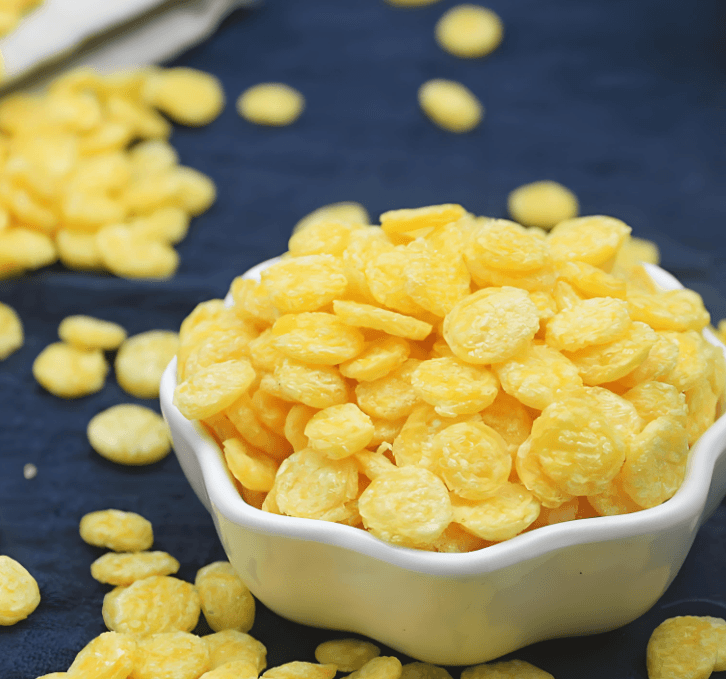
The corn grits are transferred to large, rotating steam cookers. Here, they are pressure-cooked for several hours with water, salt, sugar, and malt flavoring (which provides a slightly sweet, toasted note and helps develop the golden color). how are corn flakes made This slow cooking gelatinizes the starches, making them digestible, and ensures the grits are thoroughly softened and infused with flavor. The resulting mass is a very hot, dough-like mixture.
3. Delumping and Tempering
After cooking, the large, soft cake of cooked grits is broken down into smaller, more manageable pieces. These pieces are then left to temper for several hours in a controlled environment. This critical resting period allows moisture to distribute evenly throughout the mass, preventing brittle flakes later on.
4. Flaking
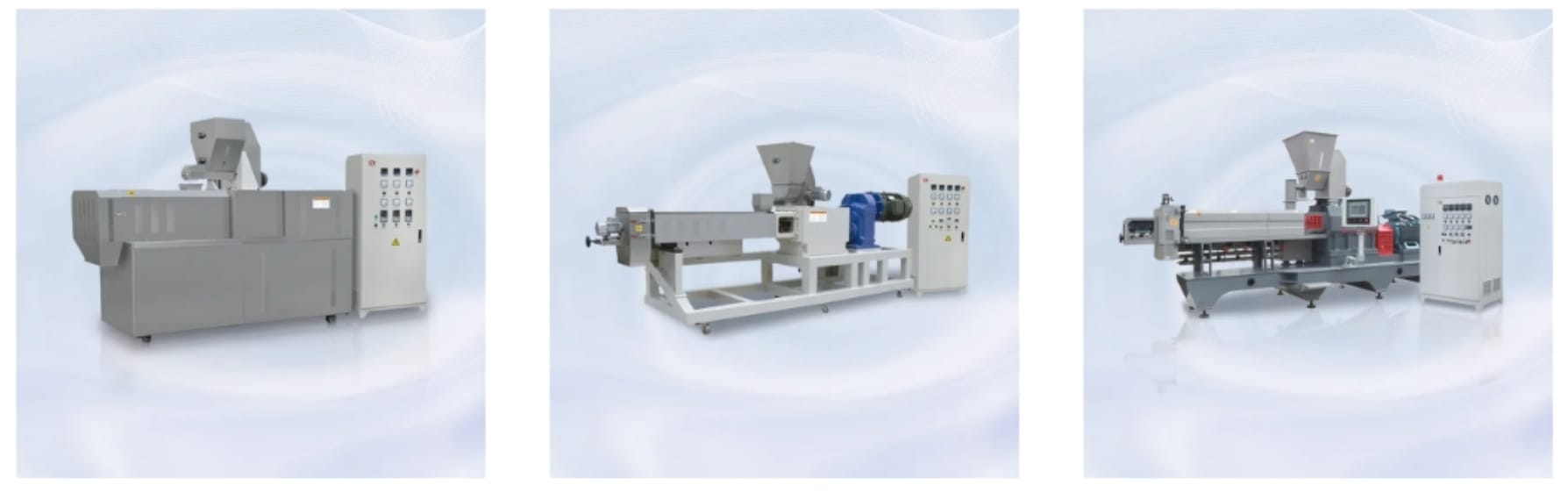
The tempered pieces are now fed through heavy-duty flaking rolls—massive paired steel rollers. As each piece is pressed flat, it transforms into the familiar thin flake shape. The precise gap between the rollers determines the flake’s final thickness and crispness.
5. Drying and Toasting
The delicate, still-moist flakes are conveyed into a large, hot-air oven, often called a toasting oven or dryer. Here, they are tumble-toasted at high temperatures (around 300°C/570°F for a short time). how are corn flakes made This process serves multiple purposes: it dries the flakes to a very low moisture content for crispness and shelf-stability, toasts them to develop the signature golden color and nutty flavor, and puffs them slightly for that perfect airy texture.
6. Coating (Optional)
For frosted or sweetened varieties, a final coating is applied. As the hot flakes tumble out of the oven, a fine mist of a sweetener (like a sugar syrup or vitamin-enriched coating) is sprayed on. The residual heat dries the coating, leaving a glossy, sweet finish.
7. Cooling and Packaging
The hot flakes are cooled rapidly on conveyor belts to set their structure and prevent sweating. They are then conveyed to packaging machines, how are corn flakes made where they are weighed and sealed into protective liners inside boxes, often with a modified atmosphere (like nitrogen flushing) to lock in freshness and prevent staleness.
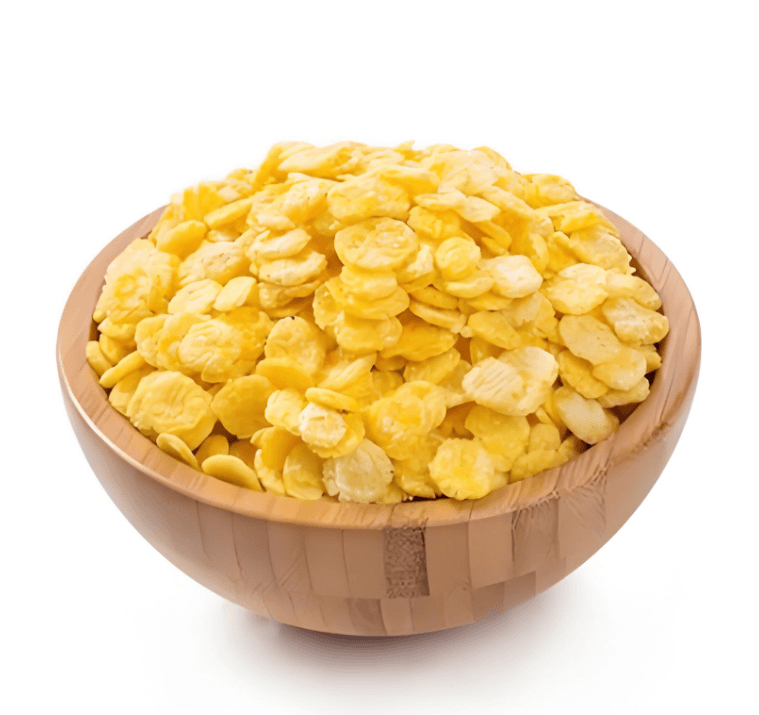
From a hard, raw grain to a light, ready-to-eat flake, the process of making cornflakes is a remarkable example of food science, turning simple ingredients into an iconic breakfast food through a carefully controlled series of cooking, shaping, and drying steps.