Introduction: The Illusion of Purity
In the modern food industry, soy protein isolate (SPI) and soy protein concentrate (SPC) are often marketed as wholesome, plant-based building blocks. However, the journey from a simple yellow bean to a white, odorless powder is not one of simple extraction, but of aggressive industrial chemistry . This article aims to expose the rigorous and often unsettling processes used to create these ubiquitous ingredients.
Part 1: The Solvent Bath
The process begins not with fresh soybeans, but with defatted soybean meal—what remains after the oil has been stripped away, usually using a chemical solvent like hexane . This meal is then subjected to further chemical warfare.
To create a Soy Protein Concentrate (SPC) containing 65-70% protein, manufacturers must remove the soluble carbohydrates (sugars) that cause flatulence. This is achieved through one of three methods: acid leaching (washing with water at pH 4.5), aqueous ethanol extraction (washing with a 60-80% alcohol solution), or moist heat-water leaching .
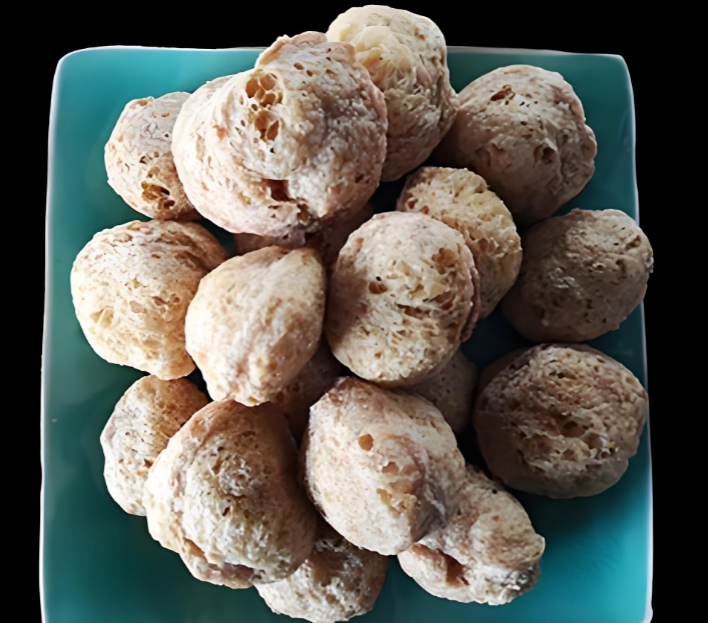
The aqueous alcohol process is particularly revealing. It is the “traditional process” that denatures the proteins to make them insoluble, allowing the sugars to be washed away. This often leaves a product with a low Protein Dispersibility Index (PDI), meaning it doesn’t dissolve well, a trait that is later chemically “corrected” .
Part 2: The Alkaline/Acid Onslaught (SPI)
The production of Soy Protein Isolate (SPI)—the 90% protein standard for meat alternatives and protein shakes—is far more violent . The defatted meal is mixed with an alkaline solution (pH 7-9) to dissolve the proteins, separating them from the insoluble fiber .
This alkaline soup is then centrifuged to remove solids. The clear liquid is then pumped into a tank where it is neutralized with food-grade acid to lower the pH to 4.5—the isoelectric point. At this specific acidity, the soy proteins become insoluble and precipitate out of the solution as a curd. This curd is separated from the acidic “whey” (which contains sugars and is often discarded as effluent) .
Part 3: The Neutralization and Drying
The curd is a protein mass, but it is essentially useless for food applications because it is water-insoluble and “damaged.” To make it functional, the curd is neutralized back to a neutral pH using sodium or calcium hydroxide. It is then spray-dried at high temperatures (often exceeding 300°F inlet air temperature) to produce the final powder .
Part 4: Hazardous Chemistry and Anti-Nutrients
The processing doesn’t stop at separation. The industry often employs further chemistry to enhance functionality:
- Trypsin Inhibitor Passivation: Soy contains natural toxins called trypsin inhibitors (STI) that block protein digestion. A recent study highlighted the use of sodium metabisulfite (SMB) to “passivate” these inhibitors. This chemical reducing agent breaks the protein’s disulfide bonds to destroy the toxin, achieving a passivation rate of 93.43%. While effective, it introduces sulfites into the product and alters the protein’s natural structure .
- Advanced Lipoxidation End Products (ALEs): When SPI is exposed to malondialdehyde (MDA) —a byproduct of lipid oxidation that occurs during high-temperature processing—they form ALEs. These are potentially hazardous compounds that have been linked to chronic diseases. Research shows that heat treatment exacerbates these interactions, reducing the protein’s digestibility and creating these reactive adducts .
- Amyloid-like Aggregates: Studies have found that processing can cause soy proteins to form “amyloid-like aggregates.” While they may improve gelling properties, these structures are highly resistant to proteolysis (digestion) and resemble the amyloid fibers associated with diseases in humans .
Part 5: The Environmental Toll
This industrial alchemy is also wasteful. In the SPC process, about 34% of the phosphorus ends up in wastewater. For SPI, roughly 59% of the phosphorus is lost to waste streams—40% in solid residue and 19% in wastewater—contributing to the risk of eutrophication (algal blooms) in water systems .
Conclusion: Beyond the Whole Food
The final product—soy protein isolate—is a far cry from the soybean. It is an industrial artifact: a macronutrient stripped from its natural matrix, treated with acids, alkalis, and solvents, bleached, and heated. While the FDA may classify these as safe ingredients, the classification of such products as “processed” or “ultra-processed” remains contentious in the nutritional sciences, often ignoring the complex chemical transformations and residual compounds introduced during manufacturing .