Gysgaça mazmuny
The aquaculture industry is the fastest-growing food production sector globally, and its sustainability and profitability are inextricably linked to the quality of the feed utilized. High-quality fish food is not merely a composite of ground fish meal and grains; it is a sophisticated, nutrient-dense matrix engineered for optimal digestibility, growth performance, immune system modulation, and minimal environmental impact. This article provides a deep dive into the multifaceted process of manufacturing premium aquafeed. We will explore the critical parameters of ingredient selection, the biochemistry of nutrient requirements for various species, the mechanical and thermal dynamics of extrusion and pelleting, fish feed making machine the application of functional additives (such as immunostimulants and probiotics), and the rigorous quality assurance protocols that distinguish superior products in the competitive global market.
1. Introduction: The Cornerstone of Sustainable Aquaculture
The trajectory of global aquaculture has been nothing short of meteoric. As wild fish stocks reach their maximum sustainable yields, aquaculture provides the only viable pathway to meet the rising global demand for seafood protein. However, the intensification of farming practices has brought the importance of aquafeed into sharp focus. Historically, the “feed conversion ratio” (FCR) was the primary metric of success. Today, the industry demands a holistic approach where feed is judged not only by growth rates but also by fish health, waste production, and the carbon footprint of its supply chain.
Manufacturing high-quality fish food is a complex biochemical and mechanical process. It requires a deep understanding of ichthyology, organic chemistry, food engineering, and logistics. fish feed making machine A suboptimal pellet can lead to nutrient leaching, poor water quality, disease outbreaks, and ultimately, economic losses. Conversely, a superior pellet can enhance gut health, improve disease resistance (reducing the need for antibiotics), and lower the FCR, thereby reducing operational costs and environmental waste.
In this extensive guide, we will deconstruct the manufacturing process, examining each stage with scientific rigor and practical insight.
2. The Raw Materials: A Precision Balancing Act
The foundation of any high-quality fish food lies in the ingredients. The selection process is driven by three factors: nutritional profile, physical properties (binding and extrusion characteristics), and economic viability. We categorize ingredients into five primary groups: Proteins, Lipids, Carbohydrates, Minerals/Vitamins, and Functional Additives.
2.1 Protein Sources: The Building Blocks of Growth
Fish are generally carnivorous or omnivorous and have a high protein requirement (typically 30-55% of the diet). The quality of protein is determined by its amino acid profile and digestibility.
- Fishmeal (FM): Historically the gold standard. High-quality FM (e.g., from anchovy, menhaden, or herring) offers an ideal amino acid profile, high digestibility (over 90%), and is a natural attractant. However, sustainability concerns and price volatility have driven innovation. Key Quality Parameters: Freshness (measured by Biogenic Amines and TVB-N), ash content, and lipid oxidation levels.
- Plant Proteins: Soybean meal (defatted), corn gluten meal, wheat gluten, and pea protein concentrate are widely used. The Challenge: They contain anti-nutritional factors (ANFs) like trypsin inhibitors, lectins, and phytic acid. They are often deficient in methionine and lysine. Manufacturing Fix: Extrusion heat treatment deactivates heat-labile ANFs, and synthetic amino acids are added to correct deficiencies.
- Alternative Animal Proteins: Poultry by-product meal, feather meal (hydrolyzed), and insect meal (Black Soldier Fly larvae) are gaining traction. They often have high protein content but must be carefully processed to ensure digestibility (e.g., hydrolysis of keratin in feathers).
- Single Cell Proteins (SCP): Products derived from bacteria, yeast, or fungi (e.g., Methylococcus capsulatus – Methanotroph bacteria). These are rich in protein and contain nucleotides which can boost the immune system. They are a “clean” alternative with a low carbon footprint, but acceptance depends on palatability and cost.
2.2 Lipids (Fats and Oils): Energy Density and Essential Fatty Acids
Lipids provide the highest energy density and are crucial for the absorption of fat-soluble vitamins. For marine fish, the absolute requirement for omega-3 long-chain polyunsaturated fatty acids (LC-PUFAs), specifically EPA (Eicosapentaenoic acid) and DHA (Docosahexaenoic acid), is critical.
- Marine Oils: Fish oil is rich in EPA/DHA but is susceptible to oxidation (rancidity). High-quality manufacturers use high-vacuum processing to remove FFA (Free Fatty Acids) and monitor Anisidine and Peroxide values rigorously.
- Vegetable Oils: Rapeseed oil, linseed oil, and palm oil are used as partial replacements. They are cheaper but lack EPA/DHA. State-of-the-art manufacturing involves blending oils and using microencapsulation techniques to protect sensitive LC-PUFAs from oxidation during the extrusion process.
2.3 Carbohydrates and Binders: The Extrusion Matrix
While fish utilize carbohydrates poorly compared to mammals, they are essential for extrusion expansion (starch gelatinization) and pellet stability.
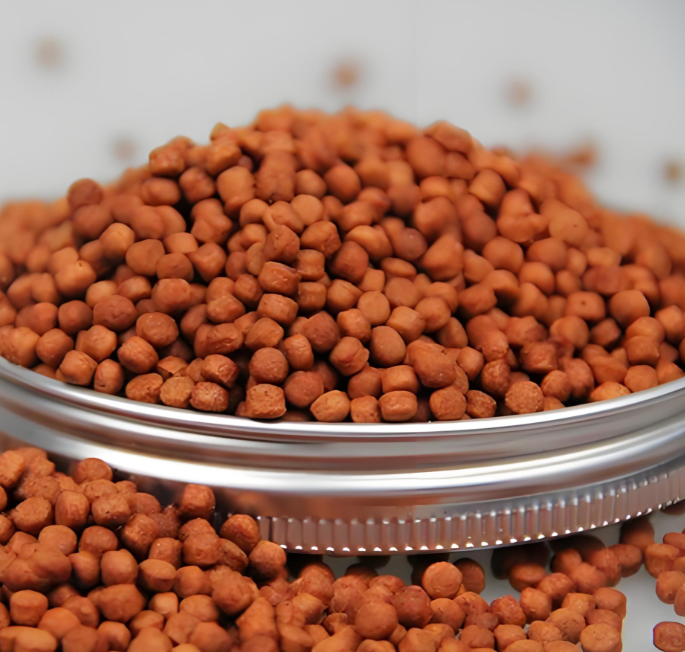
- Starches: Wheat flour, tapioca, and pre-gelatinized starches act as binders. The extrusion process involves gelatinizing these starches, creating a viscoelastic dough that traps steam and forms the “puffing” effect specific to floating pellets.
- Binders: In shrimp feeds (which require high water stability for up to 24 hours), binders like carboxymethylcellulose (CMC), lignosulfonates, or wheat gluten are essential to prevent disintegration upon soaking.
2.4 Micronutrients: The Trace Elements and Vitamins
These are the “invisible” components that determine health. fish feed making machine Manufacturing high-quality feed requires attention to the stability of these compounds.
- Vitamins: Vitamin C (Ascorbic acid) is notoriously unstable under heat and pressure. Manufacturers use protected forms, such as L-ascorbyl-2-polyphosphate (APP) or ethylcellulose-coated ascorbic acid, which withstand extrusion.
- Minerals: Chelated minerals (e.g., Zinc Methionine, Copper Lysine) are preferred over inorganic oxides because they are more bioavailable and leach less into the water.
3. The Production Process: A Step-by-Step Technical Walkthrough
The journey from raw ingredients to a premium pellet is a symphony of mechanical engineering and chemical reaction. The process typically follows this sequence: Milling -> Mixing -> Conditioning -> Extrusion/Pelleting -> Drying -> Coating (Oil/Vacuum) -> Cooling -> Packaging.
3.1 Grinding and Particle Size Reduction
The objective is to achieve uniform particle size to ensure homogeneous mixing and optimal starch gelatinization.
- Technology: Typically, a hammer mill with a specific screen size is used. For high-quality feeds targeting larvae or small fish, a “micro-grinder” can achieve a particle size of < 150 microns.
- Critical Data: A reduction in particle size from 500 to 100 microns can increase the surface area for water absorption by 5x, but also increases energy consumption exponentially. The “Optimum Grind” is a balance between energy costs and digestive efficiency.
3.2 Precision Batching and Mixing
Accuracy is paramount. Weighing systems are electronically controlled to within 0.1% of the set value.
- Pre-mixing: Micronutrients (vitamins, minerals, and medications) are often mixed with a carrier (such as ground wheat) in a pre-blender to ensure even distribution. Otherwise, the “segregation effect” might result in some pellets containing no vitamins.
- Main Mixer: A horizontal ribbon blender or paddle mixer is used to mix the main ingredients (meals, flours, and oils) with the pre-mix. Mixing time is critical; too short leads to non-homogeneity, too long can cause heat buildup and agglomeration.
3.3 Conditioning: The Steam Injection Phase
Conditioning is a thermal treatment that initiates the cooking process before the pellet is shaped.
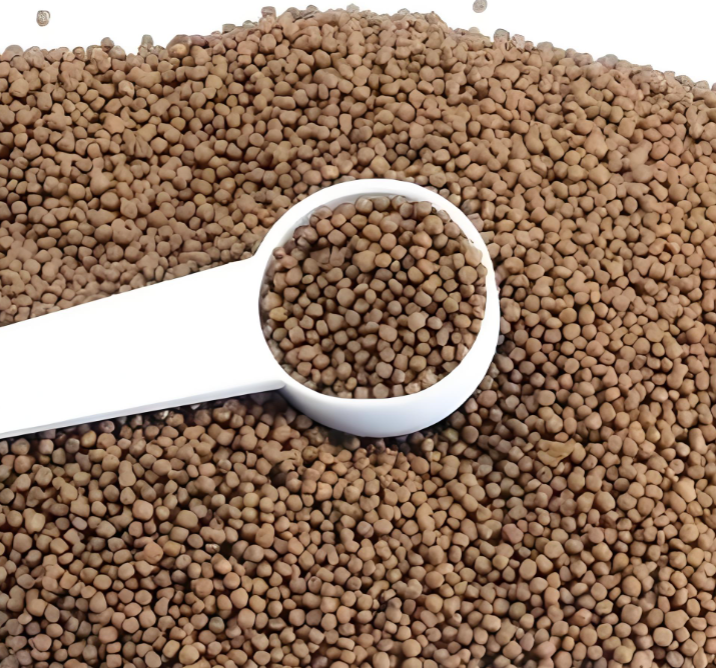
- The Goal: To precondition the meal with steam and water to increase temperature (typically 70°C – 95°C) and moisture (16-18%).
- Residence Time: Long-term conditioners (LTC) or “double conditioners” are used to increase residence time (from 20 seconds to 2-3 minutes). This allows for:
- Starch Pre-gelatinization: Reducing the load on the extruder.
- Thermal Deactivation: Destroying ANFs like trypsin inhibitors.
- Particle Softening: Reducing the “wear and tear” on the extruder screw.
3.4 Extrusion vs. Pelleting: Choosing the Right Technology
This is the heart of the manufacturing plant. The choice between a Pellet Mill and an Extruder defines the product type.
- The Pellet Mill (Steam Pelleting):
- Mechanism: The conditioned mash is fed into a rotating die, where rollers press the mash through the holes. The friction generates heat (80-90°C).
- Product: High-density, sinking pellets. Minimal starch gelatinization.
- Pros: Cheaper to operate, lower energy consumption.
- Cons: Lower starch cook, potential for pathogens.
- Best for: Salmonids (if high density is required) and tilapia.
- The Extruder (High-Shear Cooking):
- Mechanism: The conditioned mash enters a barrel containing rotating screws. The screws force the material forward against a die plate. Pressure builds (up to 100 Bar) and temperature rises (to 130-150°C).
- The “Flash-off”: When the material exits the die, the sudden drop in pressure causes superheated steam to expand within the pellet. This creates the porous structure of floating pellets (or “slow-sinking” with specific configurations).
- Pros: High starch gelatinization (improves digestibility), destruction of bacteria (sterilization), control over density (float or sink).
- Cons: High capital cost, high energy usage, damage to heat-labile vitamins (requires overage or protection).
3.5 Drying: The Critical Moisture Control
The extruded pellets emerge with high moisture content (22-28%). If not reduced to 8-10%, mold will develop, and the pellet will be soft.
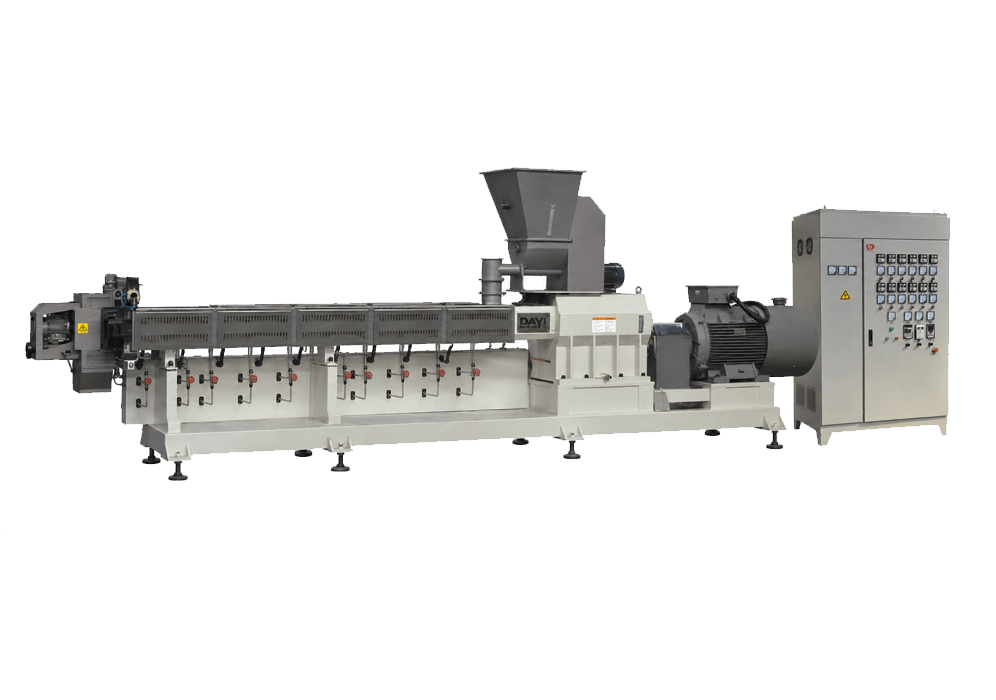
- Technology: Multi-deck continuous belt dryers or rotary dryers.
- The Nuance: Drying is a fine line. Drying too fast causes “case hardening” – the outside becomes bone dry while the inside remains moist, trapping steam that can cause the pellet to explode later. Drying too slow encourages bacterial growth.
3.6 Coating: The “Vacuum Coating” Revolution
Most extrusion processes lose lipids or break down proteins on the surface. Post-extrusion coating is how we add the highly expensive fish oil and phospholipids.
- Traditional Coating: Spraying oil onto the pellets in a rotating drum. Limitations: The oil only penetrates the surface pores. “Leaching” occurs rapidly when the pellet hits the water.
- High-Tech Solution: Vacuum Coating:
- The dried pellets are loaded into a sealed drum. A vacuum is applied to evacuate the air from the pores of the pellet.
- The liquid oil (or emulsified mixture) is introduced while the vacuum is maintained.
- The vacuum is released. The atmospheric pressure forces the oil deep into the porous matrix of the pellet.
- Result: The oil is trapped inside the pellet, leading to less lipid oxidation (less exposure to oxygen), less leaching in water, and better taste. This is the hallmark of a premium-quality aquafeed.
4. The Science of Water Stability and Leaching
A primary challenge in aquaculture is nutrient leaching. In a high-quality pellet, the nutrients should stay in the pellet, not in the water.
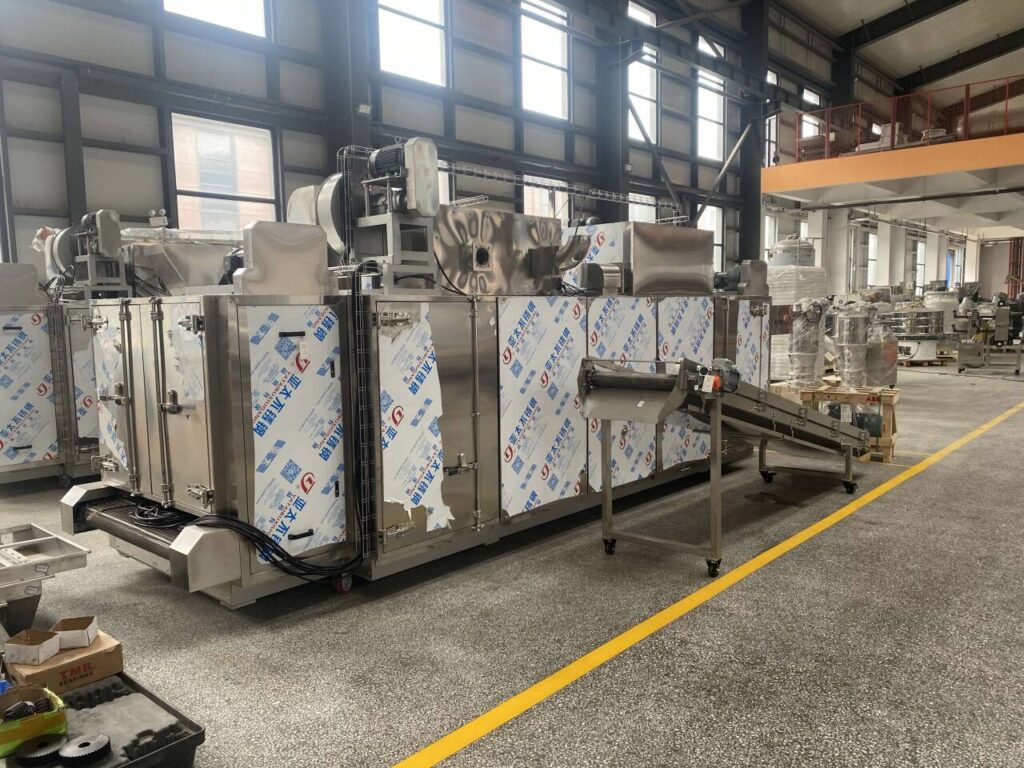
- The Leaching Problem: Water-soluble vitamins (B-complex, C) and free amino acids can diffuse out of a poorly made pellet within seconds.
- The Solution: High-quality manufacturing uses cross-linking techniques.
- Binding Agents: Modified starches and cellulose derivatives are added to the formulation.
- Extrusion Shear: High shear extrusion creates a compact protein-starch matrix that is less permeable.
- Fats: The application of a fat coating acts as a hydrophobic barrier.
- Quality Metric: A “Water Stability” test involves placing a sample in a shaker in water for 30-120 minutes and measuring dry matter loss. Premium sinking pellets should have less than 15% dry matter loss after 1 hour.
5. Functional Feeds: The Future of Aquafeed
Manufacturing high-quality feed today goes beyond basic nutrition. It involves “Nutraceuticals” designed to solve specific farm challenges.
5.1 Immunostimulants and Disease Prevention
The move away from prophylactic antibiotics has driven the use of additives that boost the fish’s innate immune system.
- Beta-Glucans: Derived from yeast cell walls. They bind to receptors on macrophages, activating them. Manufacturing requires precise inclusion rates (usually 0.1-0.2%) to avoid immunosuppression (over-stimulation).
- Nucleotides: Exogenous nucleotides (from yeast or bacterial sources) support rapid cell division in the gastrointestinal tract and immune cells.
- Essential Oils: Thymol, carvacrol, and cinnamaldehyde have anti-bacterial and anti-inflammatory properties. They must be micro-encapsulated to survive the extrusion heat and protect them from rumen degradation in fish stomachs.
5.2 Gut Health and Probiotics (Biotics)
A healthy gut equals a healthy fish.
- Probiotics: Live bacterial strains (e.g., Bacillus spp.). However, live bacteria cannot survive extrusion. Therefore, these are sprayed on after cooling (post-coating) or supplied as spores that are heat resistant.
- Prebiotics: Fructo-oligosaccharides (FOS) and Mannan-oligosaccharides (MOS). MOS in particular are crucial because they bind to pathogenic bacteria (like Vibrio) in the gut, preventing them from colonizing, effectively “flushing” them out. These ingredients are heat stable and can be added to the meal before extrusion.
5.3 Pigmentation
For species like Salmon and Trout, the red/pink color of the flesh (astaxanthin) is a quality parameter. Manufacturers are moving toward synthetic astaxanthin and natural sources like Haematococcus pluvialis (algae). These compounds are fragile and subject to oxidation; hence, they are often stabilized with antioxidants (like ethoxyquin or vitamin E/tocopherols) and protected during processing with inert atmospheres in the coating drum.
6. Quality Control (QC) and Quality Assurance (QA)
Manufacturing excellence is measured through rigorous in-house and external standards. We define QC as the “testing phase” and QA as the “process management phase.”
6.1 Ingredient Receiving
- NIR Spectroscopy: Near-Infrared Reflectance is the primary tool used to instantly analyze the moisture, protein, and fat content of incoming ingredients before they are accepted.
- Mycotoxin Screening: Cereal grains can contain aflatoxins. Elisa kits or HPLC are used to ensure levels are below 20 ppb.
6.2 In-Process Control
- Die Pressure and Temperature: Monitors ensure that the extruder is running within parameters. A drop in pressure indicates wear on the screw or die, leading to inconsistent pellet shape.
- Bulk Density: Pellets are weighed in a container of specific volume to ensure they meet the spec for floating or sinking.
6.3 Finished Product Testing
- Pellet Durability Index (PDI): The pellet is tumbled in a box with metal bearings. The amount of “dust” or “fines” generated indicates the hardness. High-quality feed must have a PDI > 98% to avoid feed wastage during transport and stocking.
- Sinking/Floating Test: A sample is placed in water.
- Rancidity Testing: Peroxide Value (PV) and Anisidine Value (AnV). We monitor the oxidation state of the oils.
- Microbiology: Salmonella, E. coli, and Vibrio counts. The high heat of extrusion creates a sterile environment, but post-processing handling (coating) must be done in a clean environment.
7. Species-Specific Formulations
There is no “one size fits all” in high-quality feed. The recipe for a carnivorous marine fish differs vastly from that of an omnivorous freshwater fish.

7.1 Salmonids (Salmon, Trout)
- Requirement: High energy (Fat > 25%), high protein (38-45%), low carbohydrate (< 15%).
- Manufacturing Challenge: The high oil content makes the pellets difficult to extrude (slip in the barrel). Requires precise screw design.
- Size: Large, extruded pellets (floating) or high-density sinking for deeper cages.
7.2 Marine Carnivores (Sea Bass, Snapper, Amberjack)
- Requirement: Very high protein (45-50%) and high attractability. These fish are visual hunters and have taste buds.
- Manufacturing Challenge: Requires the inclusion of potent attractants (like squid meal or krill meal) to initiate feeding.
- Water Stability: These fish eat slowly, so water stability must exceed 2 hours.
7.3 Shrimp and Crustaceans
- Requirement: High protein (40%), high cholesterol (for molting), specific pigments for shell coloration.
- Manufacturing Challenge: Shrimp are benthic (bottom-feeders) and shred their food. They require highly water-stable pellets that sink slowly.
- Special Tech: Manufacturing shrimp feed often uses a Marumerizer instead of an extruder to produce perfectly spherical pellets. They must sink and remain intact for up to 4 hours.
8. Sustainability and Alternative Proteins
The “High-Quality” definition of the future includes sustainability metrics. The industry is shifting away from wild-caught fishmeal toward sustainable alternatives. How does this impact manufacturing?
8.1 Insect Meal
- Pros: High amino acid profile, naturally contains antimicrobial peptides.
- Manufacturing Cons: High ash content and chitin in the exoskeleton can affect the extrusion’s melt flow. Manufacturers must use specific enzymes to pre-digest the protein or use “defatted” insect meal to reduce chitin content.
8.2 Algae Meals
- Pros: The source of natural DHA/EPA for the future.
- Manufacturing Cons: High moisture content and cost. Algae can absorb oil during extrusion, affecting lipid stability. They are best added in the coating phase.
8.3 Ethoxyquin Replacement
Traditional preservatives are under scrutiny. High-quality manufacturers are moving toward Natural antioxidant blends (Rosemary extract, Green Tea extract, Vitamin E (Tocopherols)). However, these are less stable at high temperatures, requiring manufacturers to reduce the severity of thermal processing or use inert gas packaging.
9. The Role of Extrusion Parameters in Palatability
A fish eats the pellet if it smells and tastes correct. The manufacturing process can kill palatability.
- The Maillard Reaction: During extrusion, reducing sugars react with amino groups (lysine) to form brown pigments. While this creates “toast” flavors in human food, in fish feed, it binds lysine, making it indigestible. Excessive heat lowers protein availability.
- Volatile Compounds: The scent of fish meal attracts fish. High temperatures can drive off these volatile nitrogenous compounds (trimethylamine).
- The Solution: High-quality manufacturers balance thermal input (SME – Specific Mechanical Energy) so they apply enough heat to cook the starches (pre-digestion) but not too much to destroy amino acids and volatile attractants. This is often achieved using high-moisture formulations that “buffer” the temperature.
10. Conclusion: The Next Frontier in Aquafeed Manufacturing
The manufacturing of high-quality fish food is an evolving discipline, increasingly driven by data analytics, precision engineering, and marine biology. The manual of the future will feature “Smart Extruders” equipped with Artificial Intelligence to monitor density and moisture in real-time, adjusting parameters automatically to maintain output consistency.
The high-quality feed of 2026 is defined by the “3Ds”:
- Digestibility: Minimal waste, maximum absorption.
- Durability: Low fines, high stability, no nutrient leaching.
- Dietary Health: Functional ingredients that boost immunity and gut flora.
Manufacturers who succeed in the future will be those who invest in R&D, rigorous quality control, and sustainable sourcing. They will realize that they are not just making fish food; they are engineering the biological hardware required for a protein-hungry planet. The investment in superior raw materials, precision extrusion, and vacuum coating technology yields a return not just in feed conversion rates, but in the resilience of the fish, the health of the water, and the future of the industry.