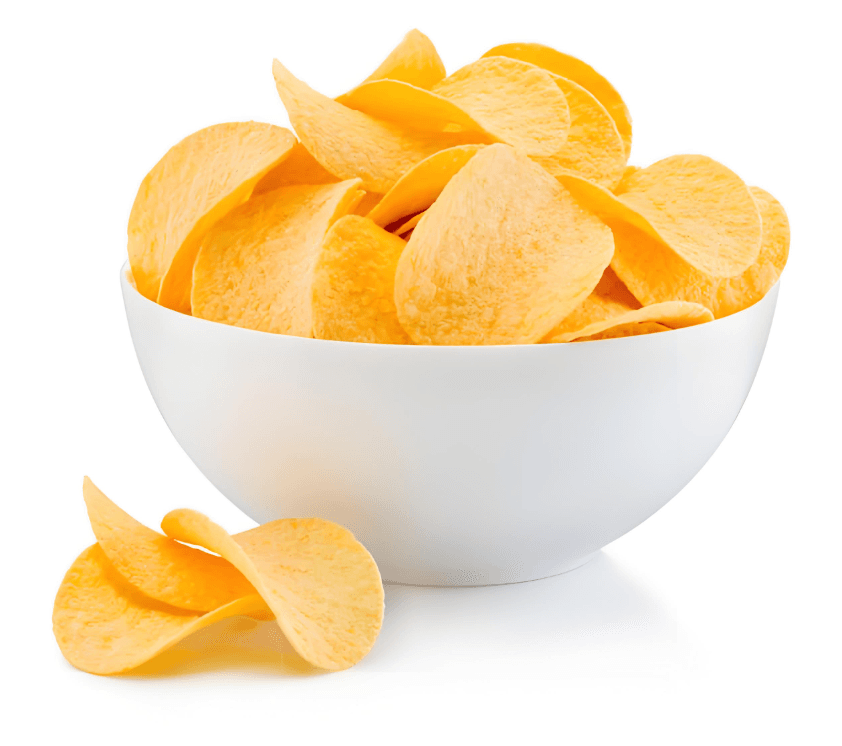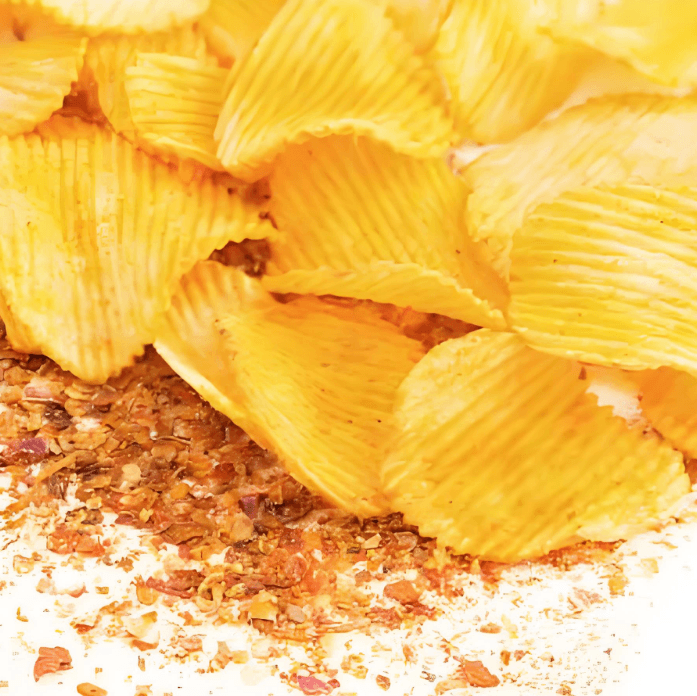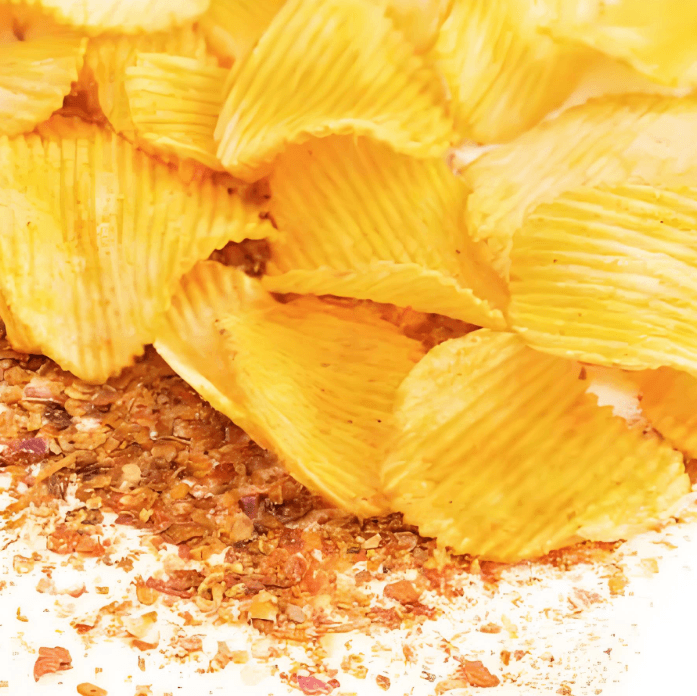
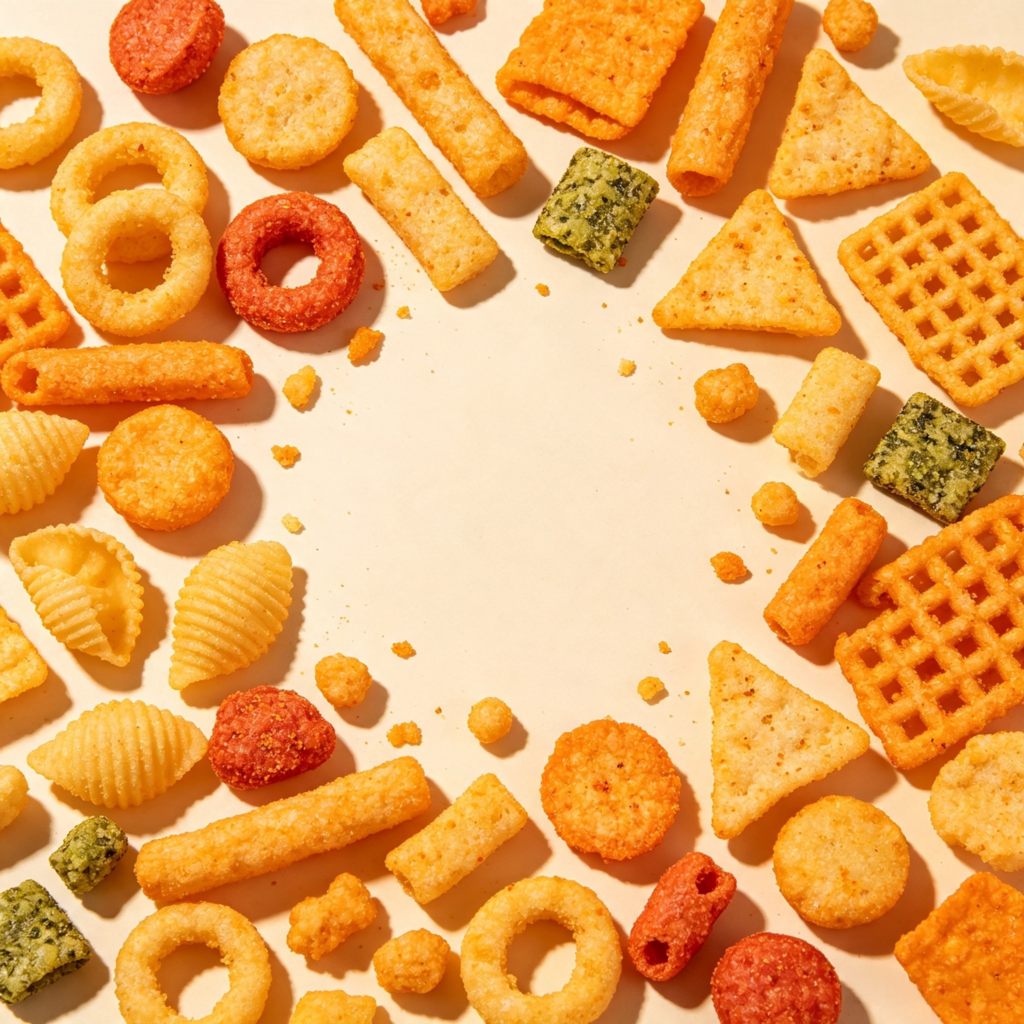
Puffed food—ranging from cheese puffs and rice cakes to breakfast cereals and expanded snacks—is a favorite among consumers for its light, crispy texture and airy crunch. But behind every successful batch of puffed snacks lies a series of carefully controlled factors. Whether you are a home cook experimenting with a hot-air popper or a manufacturer running an industrial extruder, understanding the science behind puffing is essential. Here are the key factors that determine the quality of puffed food.

1. Raw Material Selection and Preparation
The foundation of any puffed product is its raw material. Common ingredients include corn, rice, wheat, potato starch, and various flours. The key considerations are:
- Starch content and type: Starch is the primary driver of expansion. High-amylose starches tend to puff less, while certain waxy starches expand more readily.
- Moisture content: Raw materials must have a precise moisture level—typically 12–18% for extrusion puffing. Too little moisture means insufficient steam generation; too much leads to a soggy, poorly expanded product.
- Particle size: Uniform, fine grinding ensures even heating and consistent expansion.
2. Moisture Control
Water is the working fluid of puffing. When heated rapidly, moisture inside the food turns to steam, forcing the matrix to expand. Key points:
- The dough or grain must be conditioned to the optimal moisture level before processing.
- During extrusion or frying, the sudden release of pressure causes flash evaporation, creating the porous structure.
- Post-puffing drying is equally important to remove residual moisture and prevent sogginess or mold.
3. Temperature and Heating Method
Different puffing techniques rely on different heat profiles:
- Extrusion puffing: High temperature (150–180°C) and pressure inside the extruder, followed by a sudden pressure drop at the die.
- Hot air puffing: Used for rice cakes and some cereals; requires even, high-velocity hot air.
- Microwave puffing: Rapid volumetric heating can create a uniform puff but requires careful power control.
- Fritar: Oil at around 180–200°C causes instant surface dehydration and steam expansion.
In all cases, temperature consistency is critical. Fluctuations lead to uneven puffing, burnt spots, or collapsed structures.
4. Pressure and Pressure Release Rate
In extrusion and some gun-puffing methods, pressure builds inside the chamber. When the material exits the die, the pressure drops instantly. The rate of pressure release matters:
- A rapid drop produces a more dramatic expansion but can cause tearing.
- A slower drop yields a denser, more uniform texture.
Operators must balance pressure with die design and material properties.
5. Formulation and Additives
Small amounts of additives can make or break a puff:
- Emulsifiers (e.g., lecithin) improve dough uniformity and expansion.
- Salts and sugars affect gelatinization and can either enhance or inhibit puffing depending on concentration.
- Leavening agents (baking soda, ammonium bicarbonate) release gas during heating, aiding expansion in baked puffs.
- Fibers and proteins can weaken the starch matrix if overused, reducing puff volume.
6. Equipment and Die Design
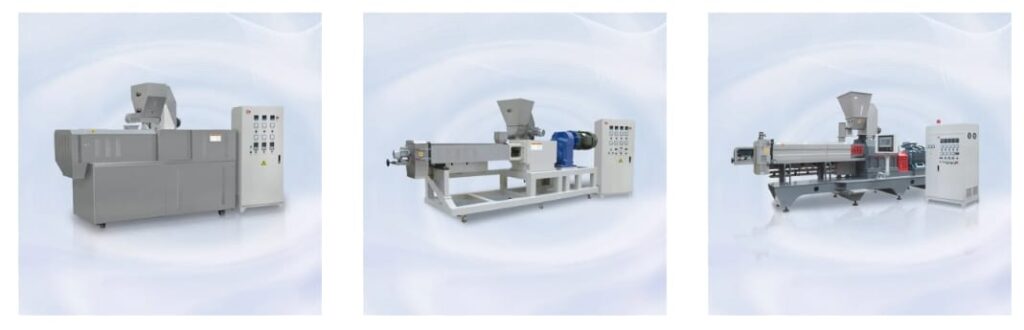
The geometry of the die, the screw configuration in an extruder, and the airflow design in hot-air puffers all influence the final texture. A well-designed die ensures laminar flow and uniform expansion. Worn or poorly designed equipment leads to inconsistent shapes and densities.
7. Cooling and Post-Processing
After puffing, the product is fragile. Rapid cooling with ambient or chilled air helps set the structure. Then:
- Temperos should be applied while the surface is still slightly tacky for good adhesion.
- Embalagem must use moisture-barrier materials to keep the product crispy.
- Storage conditions should be cool and dry.
8. Quality Control and Consistency
Finally, successful puffed food production depends on repeatability. Key metrics to monitor include:
- Expansion ratio (volume increase)
- Bulk density
- Texture (hardness, crispiness)
- Teor de humidade
- Color and appearance
Regular testing and adjustment of the above variables ensure that every batch meets the desired standard.
Conclusão
Making great puffed food is a balance of science and craft. From choosing the right starch and moisture level to mastering temperature, pressure, and cooling, each factor plays a critical role. Whether you are a small-scale producer or a large manufacturer, paying attention to these key elements will help you achieve that perfect light, crispy, and delicious puff every time.