The Manufacturing Process of Kurkure: From Grains to Crunchy Snack
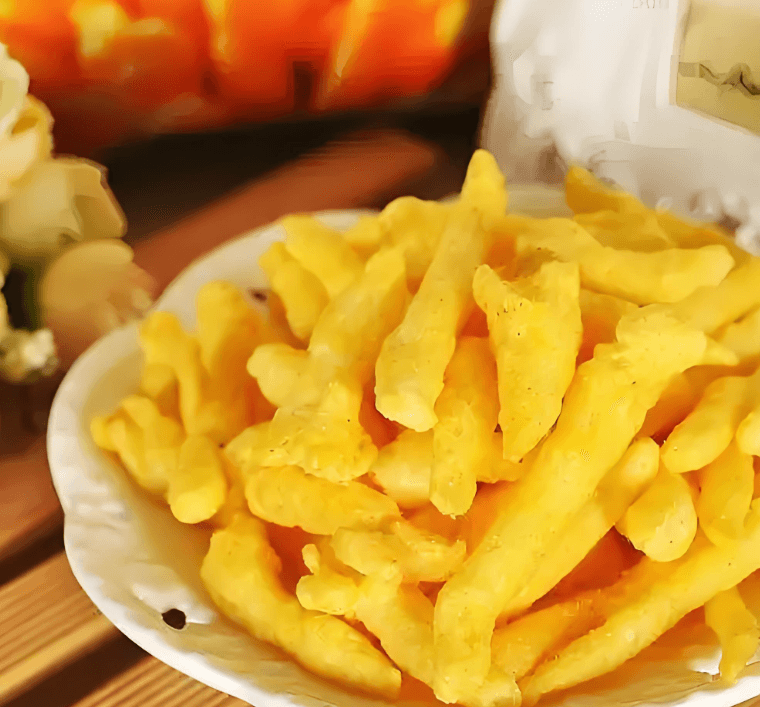
Kurkure is a popular extruded snack known for its unique, layered crunch and bold Indian flavors. Its distinct texture and shape are achieved through a specialized manufacturing process, primarily centered around extrusion technology.
1. Raw Material Preparation and Mixing
The process begins with the main ingredients: rice meal, corn meal, and gram (chickpea) meal. These are mixed with water, edible vegetable oil (often palm oil), and other ingredients like salt and sugar in a commercial flour mixer to achieve a consistent, optimal moisture level.
2. Extrusion: Creating the Signature Shape
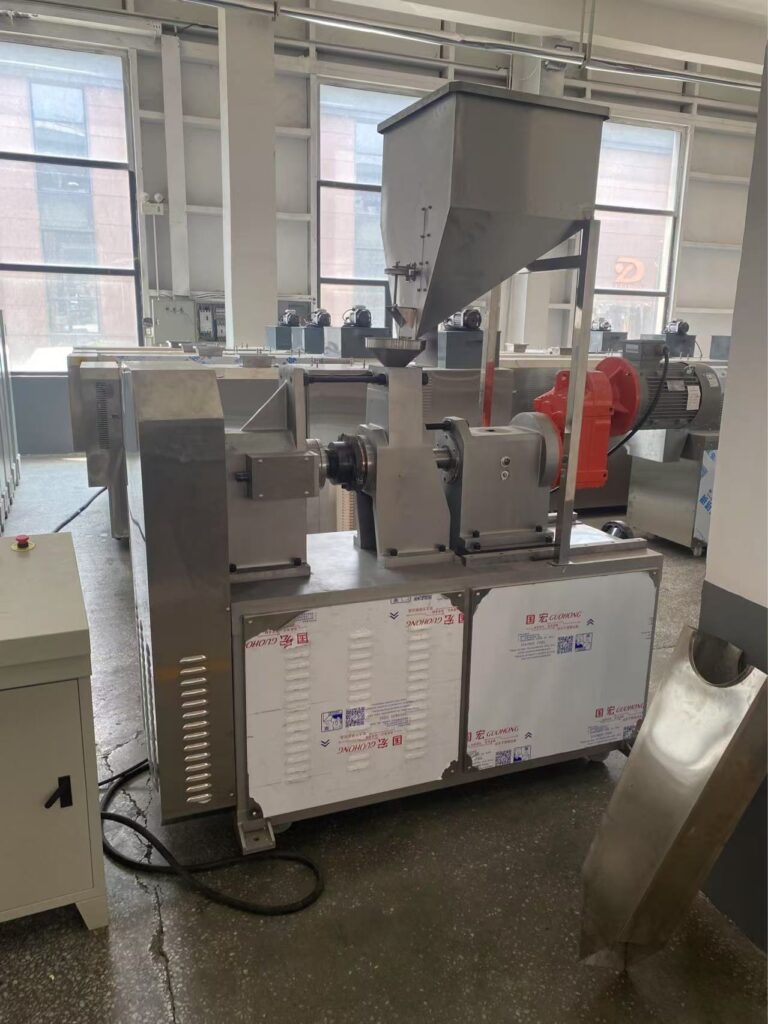
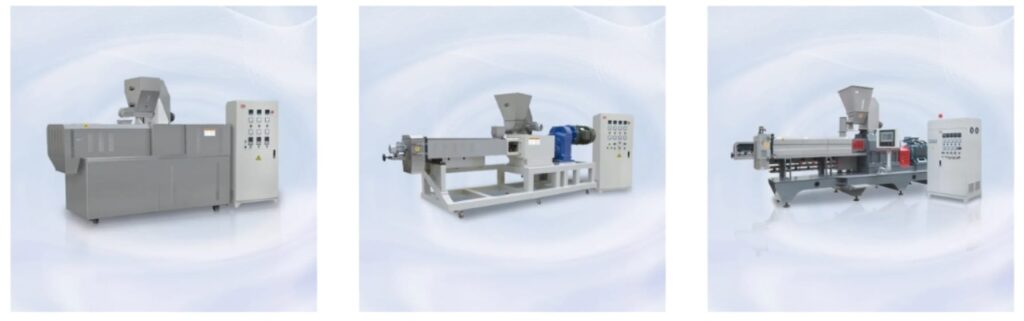
This is the core step that gives Kurkure its characteristic texture and shape. The prepared dough is fed into a high-temperature, high-pressure extruder.
Inside the extruder, the mixture is subjected to intense mechanical shear and heat. It is squeezed and twisted by rotating plates or screws, which builds up pressure and cooks the dough. This hot, pressurized dough is then forced through a specialized die.
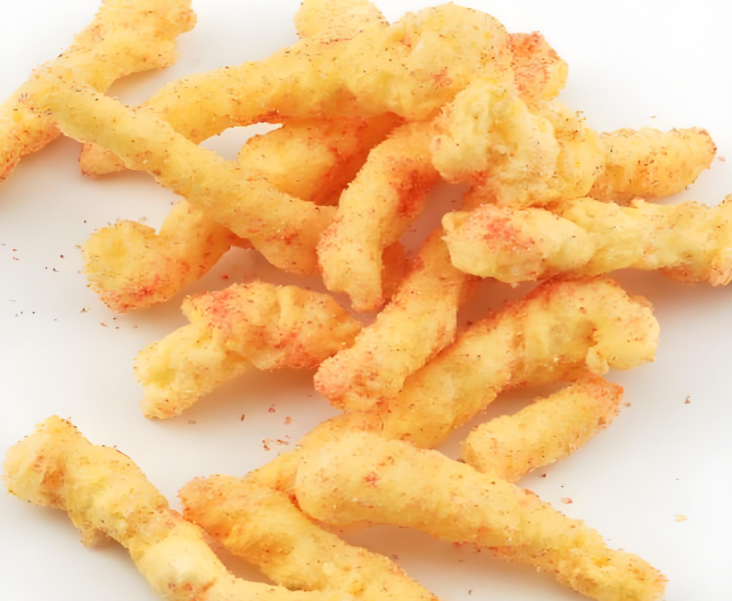
As the extruded material exits the die, it experiences a sudden drop in pressure, causing the water inside to flash into steam and expand the snack instantly. Rotating cutting knives at the die face then cut the continuous extruded rope into pieces of the desired length, creating Kurkure’s signature curled, irregular shapes.
3. Frying or Baking
After extrusion, the snack pieces are cooked to achieve their final crispiness. The primary method is deep-frying in hot cooking oil. This step is crucial for texture development and shelf-life extension. Some production lines may offer a baking or toasting option as an alternative to frying, depending on the desired product profile and market preferences.
4. Oil Removal and Cooling
Following the frying process, the hot snacks go through a de-oiling and cooling stage. This is typically done using a vibrating screen or de-oiler that removes excess oil and allows the product to cool down before the next step. This step is important for achieving the final product’s non-greasy texture.
5. Flavoring
The cooled, base Kurkure pieces are now ready to be coated with their signature spices. They are transferred to a rotating coating drum. Here, oil is first sprayed onto the snacks to help the flavor adhere. Then, a precise blend of flavoring powders, which includes spices like turmeric and chili, as well as other seasonings, is applied evenly to create the final taste profile.
6. Packaging
Finally, the flavored and seasoned Kurkure is transported along a cooling conveyor to ensure any residual heat is dissipated. It is then immediately packaged in airtight bags to preserve its freshness and distinctive crunch. This efficient, continuous process transforms basic grain meals into the globally recognized crispy snack.
Common Production Challenges in Kurkure Manufacturing and Their Solutions
Kurkure production is a complex process that combines extrusion technology, precise ingredient handling, and quality control. Like any large-scale food manufacturing operation, it faces a range of challenges that can affect product quality, efficiency, and profitability. Here is an overview of the most common issues and practical solutions.
1. Extrusion Process Instability
El reto: Extrusion is the heart of Kurkure production, and instability during this stage can cause significant problems. Issues such as inconsistent material flow, fluctuating main motor current, and failure to extrude material properly are common. These problems often stem from blockages in the hopper, damaged or improperly connected heaters, or mechanical issues with the screw or motor .
La solución:
- Material Flow Issues: Clear any blockages at the hopper outlet and ensure a consistent feed of raw materials. If the screw turns but no material extrudes, check for hard objects blocking the extruder or a broken screw that needs replacement .
- Motor Fluctuations: Check whether heaters in each section are damaged and verify that wiring is correctly and firmly connected. If the issue persists, inspect motor bearings and add lubricant or replace them as needed .
- Startup Failures: If the main motor fails to start or stops suddenly, verify the power connection and check each section’s temperature. Review preheating and heating time records to confirm proper warm-up .
2. Inconsistent Product Texture and Expansion
El reto: Achieving the signature light, crispy, and uniform texture of Kurkure is one of the greatest manufacturing challenges. Moisture content and extrusion parameters (barrel temperature, pressure, screw speed) must be perfectly balanced. Incorrect moisture levels can produce products that are hard, dense, poorly expanded, or fragile and prone to breakage . High-protein formulations, increasingly popular for healthier snacks, can reduce expansion and result in dense, hard, or rubbery textures because protein absorbs moisture differently than starch .
La solución:
- Precise Moisture Control: Maintain exact water addition during mixing. Too little water causes poor cooking and dense products; too much results in a soggy, weak structure. Modern systems monitor moisture at multiple points .
- Optimized Extrusion Parameters: Carefully control barrel temperature and pressure profiles. Low feed moisture combined with high barrel temperature reduces bulk density and hardness while increasing expansion ratio. However, excessively high temperatures can cause burning and off-flavors .
- Protein Formulation Adjustments: For high-protein recipes, conduct extensive product development trials to find the right formulation and processing conditions. Extruders with improved monitoring and consistent control can help manage the challenges of protein ingredients .
3. Product Contamination and Dirt
El reto: Contaminants such as dirt or dark specs can appear in extruded products. This is often caused by degraded or burnt material sticking to the screw inside the extruder barrel, which then mixes with fresh product .

La solución:
- Screw Cleaning: If minor contamination appears, run a screw cleaner through the extruder. For serious contamination, the screw must be physically removed and manually cleaned to remove all burnt residue .
- Raw Material Quality: Source high-quality raw materials and inspect them for impurities before use to prevent contaminants from entering the system .
4. Seasoning Application Inconsistencies
El reto: Applying flavoring powders evenly to every Kurkure piece is essential for consistent taste. Uneven coverage, clumping of seasoning due to humidity, and poor adhesion can ruin the final product’s sensory appeal .
La solución:
- Even Coating: Use efficient seasoning tumblers or drums that ensure uniform application. Spray oil or a binding agent onto the snacks before the seasoning step to help the powder adhere properly .
- Environmental Control: Control the humidity in the seasoning area to prevent clumping. Seasoning blends must be free-flowing .
- On-Machine Seasoning (OMS): Some producers apply seasoning at the packaging machine, a technology that has improved significantly and now matches traditional systems while offering better flexibility .
5. Product Breakage and Fragility
El reto: Kurkure snacks are relatively fragile. Breakage during packaging and handling creates undesirable “fines”—small broken pieces that accumulate at the bottom of the bag, reducing product appeal . Interestingly, the brand Kurkure itself was born from a production problem of broken and curly pieces that were originally machine rejects; the R&D team redefined the problem and deliberately created the curly shape as a unique selling point .
La solución:
- Gentle Packaging Equipment: Use packaging equipment designed to minimize breakage during filling and sealing. Adjust drop heights and conveyor speeds to reduce impact .
- Texture Optimization: Ensure proper moisture and expansion control during extrusion. Products that are too brittle are more prone to breakage, so optimize processing to achieve a crisp but resilient structure .
6. Inefficient Changeovers and Product Flexibility
El reto: Snack manufacturers must frequently switch between different product shapes, flavors, and formats to meet consumer demand. Inefficient changeovers result in significant downtime, production loss, and increased costs .
La solución:
- Standardized Procedures: Develop and document clear Standard Operating Procedures (SOPs) for each changeover. Use visual aids like color coding and labels to help operators quickly identify components .
- Quick-Change Equipment: Invest in modular tooling, including dies and cutters designed for rapid swapping without specialized tools. Quick-release hoses and connectors speed up cleaning and reassembly .
- Operator Training: Train operators thoroughly and cross-train multiple team members to reduce reliance on a few specialists, preventing delays .
- Production Scheduling: Group similar products together in the production schedule to reduce the frequency of full cleanings and simplify transitions .
7. Packaging and Shelf-Life Preservation
El reto: Once produced, Kurkure must be protected from moisture and oxygen, which can make it stale, chewy, and rancid. Fragile snacks are also at risk of physical damage during transport .
La solución:
- Barrier Packaging: Use packaging materials with excellent barriers to oxygen and moisture to preserve crispness and freshness .
- Gas Flushing: Flush the bags with nitrogen gas to displace oxygen, extending shelf life significantly .
- Seal Integrity: Ensure all seals are airtight to prevent moisture ingress .
8. Operational Safety and Equipment Maintenance
El reto: The high temperatures, pressures, and moving parts in Kurkure production lines pose safety risks. Neglecting equipment maintenance can lead to unexpected breakdowns, production stoppages, and safety hazards .
La solución:
- Operator Training: Ensure operators receive professional training and possess basic electrical knowledge. They should always consult the machine manual and contact manufacturers for any unclear procedures .
- Pre-Start Checks: Before operation, inspect all machine parts for foreign objects, metal materials, and electrical issues like potential leakage .
- Continuous Monitoring: During production, constantly check that the equipment is not running empty, as this can cause significant damage. If problems occur inside the equipment, no personnel should attempt to inspect directly .
- Preventive Maintenance: Implement a regular maintenance schedule, including lubrication of bearings, inspection of heating elements, and screw condition checks .
By understanding these common challenges and implementing the corresponding solutions, Kurkure manufacturers can achieve consistent product quality, maximize production efficiency, and meet the high expectations of consumers for this beloved crunchy snack.