From Kernel to Cereal Bowl: The Processing Journey of Cornflakes
Breakfast cereal cornflakes, a staple in many households worldwide, undergo a precise and multi-stage manufacturing process to transform humble corn kernels into the crispy, golden flakes we enjoy. how corn flakes are made This process combines food science, engineering, and quality control to ensure safety, consistency, and taste.
The journey typically involves the following key stages:
1. Ingredient Selection & Mixing
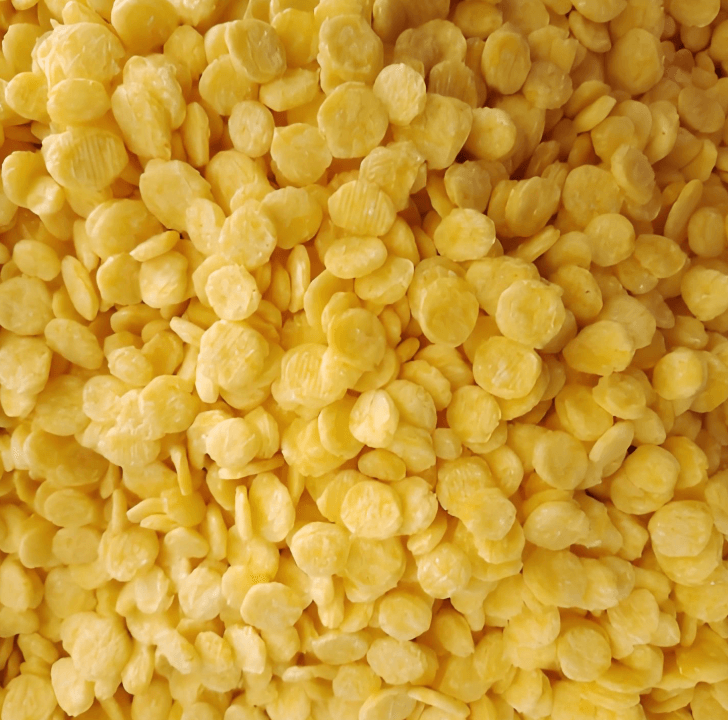
The primary ingredient is milled corn, usually in the form of corn grits (coarsely ground corn kernels with the hull and germ removed). These grits are blended with water, sweeteners (such as sugar or malt syrup), salt, and added vitamins and minerals to create a slurry or dough. Flavorings and preservatives may also be added at this stage.
2. Cooking & Gelatinization
The moist mixture is transferred into large, high-pressure steam cookers—often continuous cookers or batch rotary cookers. Here, it is cooked under pressure for several hours. how corn flakes are made This critical step gelatinizes the starch in the corn, making it digestible and forming a cohesive, cooked mass called the “cooker dough” or “grist.”
3. Drying & Tempering
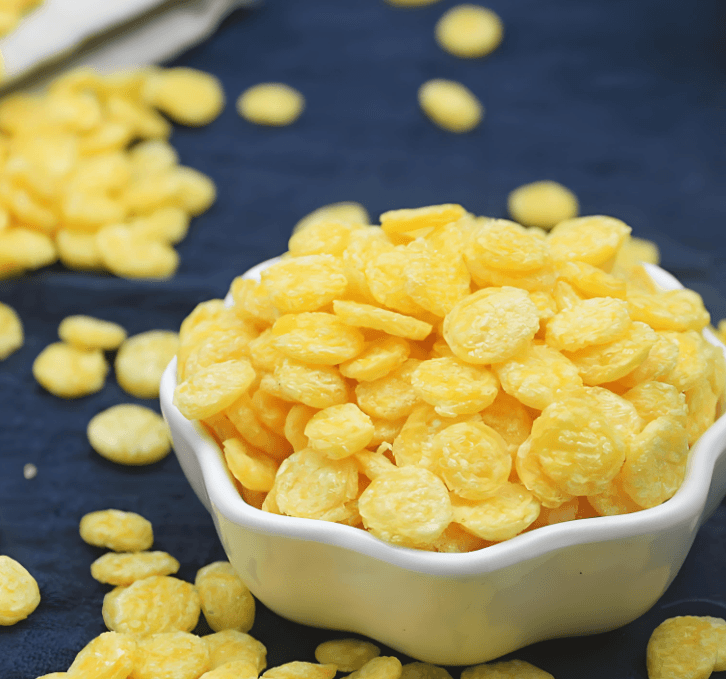
The cooked, hot dough has a very high moisture content. It is then conveyed to large drying ovens to reduce its moisture to a specific, firm level. how corn flakes are made After drying, the material is often tempered or equilibrated. This involves holding it for several hours to allow the remaining moisture to distribute evenly throughout the product. This stabilizes the dough and prepares it for flaking.
4. Flaking
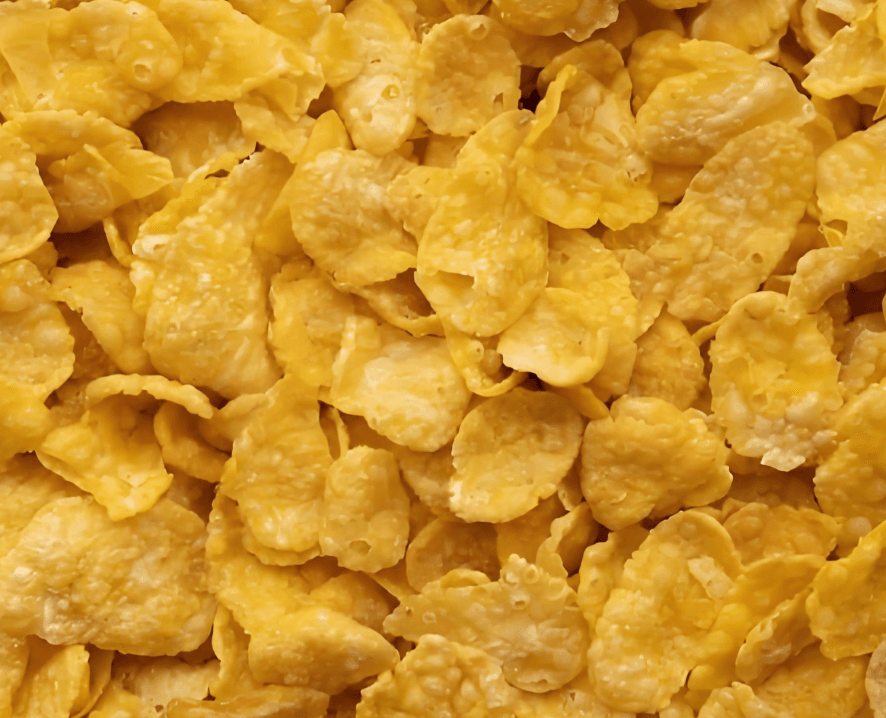
The tempered, dried dough pieces (now called “grits pellets”) are fed between large, heavy metal rollers in a flaking machine. The rollers press each pellet into a thin, flat flake. The pressure, gap between rollers, and moisture content are precisely controlled, as they directly determine the final flake’s thickness, size, and texture.
5. Toasting / Drying & Cooling
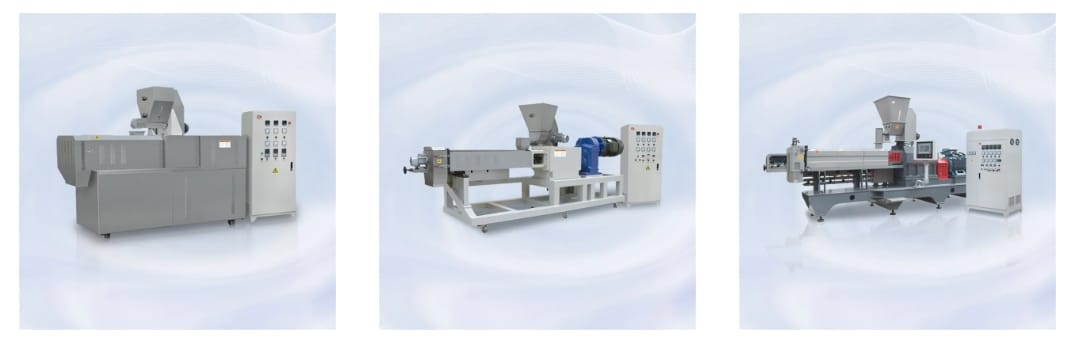
The formed flakes are then toasted in large ovens (often rotary drum ovens or conveyor belt toasters) at high temperatures (around 300°C/570°F for a short time). This process serves multiple purposes: it puffs and sets the flake structure, creates the desirable crispy texture, develops the golden-brown color via the Maillard reaction, and imparts the characteristic toasted flavor. After toasting, the hot, crisp flakes are rapidly cooled on conveyor belts, which stops the cooking process and firms them up.
6. Coating (Optional)
For frosted or sweetened varieties, a final coating is applied. The cooled flakes pass through a rotating drum where a fine mist of sweetening syrup (and sometimes additional vitamins or flavors) is sprayed onto them. A subsequent brief drying stage sets the coating.
7. Embalaje
The finished cornflakes are fed by conveyor to automated packaging lines. They are weighed and filled into inner liners and outer cartons, which are designed to be moisture-proof and airtight to preserve crispness and prevent staleness. Nitrogen gas flushing is commonly used inside bags to displace oxygen and extend shelf life.
8. Quality Control
Throughout the entire process, rigorous quality checks are performed. how corn flakes are made These include monitoring raw material specifications, cooking parameters, flake thickness, color, moisture content, bowl-life (crispness in milk), nutritional content, and microbial safety.
In conclusion, the production of cornflakes is a continuous, highly automated process that transforms basic ingredients into a uniform, shelf-stable, and ready-to-eat food through a series of thermal and mechanical operations. Each step, from cooking to toasting, is crucial in developing the final product’s signature flavor, texture, and nutritional profile.