Introduction: The Snack That Conquered a Billion Palates
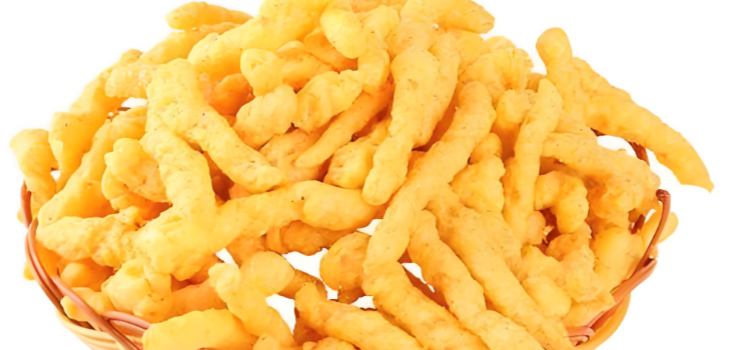
Walk into any convenience store, roadside kiosk, or supermarket across South Asia, and you will almost certainly encounter a bright orange packet of Kurkure. Since its launch by PepsiCo India in 1999, Kurkure has grown from a regional novelty into one of the most consumed packaged snacks in India, Pakistan, and across the South Asian diaspora worldwide. Its distinctive twisted shape, fiery seasoning, and addictive crunch have made it a cultural icon — a snack synonymous with Bollywood movies, cricket matches, and lazy afternoons.
Yet, for all its ubiquity, surprisingly few consumers have any real understanding of how Kurkure is made. The cheerful packaging, the catchy advertisements, and the simple act of tearing open a bag and reaching inside create a comfortable distance between the consumer and the industrial reality of modern snack food production. Behind that bright orange packet lies a sophisticated, highly mechanized manufacturing process that involves raw grain processing, extreme heat and pressure, industrial frying in large volumes of oil, and the application of complex chemical seasoning blends.
This article is an attempt to close that distance. Drawing on publicly available manufacturing documentation, food science literature, industry machinery specifications, and nutritional analysis, we will take a comprehensive, step-by-step journey through the Kurkure production process — from the sourcing of raw materials to the moment the finished product is sealed in its nitrogen-flushed packet. Along the way, we will examine the food science behind each stage, the industrial machinery involved, the chemical additives used, and the broader questions of nutrition, food safety, and transparency that this process raises.
This is not an article designed to generate panic or spread misinformation. Kurkure is a legal, commercially produced food product that meets the regulatory standards of the countries in which it is sold. However, “legal” and “healthy” are not synonymous, kurkure making machine and “meets minimum standards” is not the same as “fully transparent.” The goal here is informed understanding — to give consumers the knowledge they need to make genuinely informed choices about what they eat and feed their families.
Chapter 1: The Origins of Kurkure — Brand History and Market Context
Before we enter the factory, it is worth understanding what Kurkure is and where it came from. Kurkure (the name derives from the Hindi word kurkura, meaning “crispy” or “crunchy”) was developed by PepsiCo India’s research and development team in the late 1990s. It was conceived as a snack that would appeal specifically to Indian taste preferences — spicier, more pungent, and more intensely flavored than Western-style corn chips or potato crisps.
The product was an immediate commercial success. Within a few years of its launch, Kurkure had captured a significant share of the Indian snack market, competing with and eventually overtaking many traditional Indian snack foods. PepsiCo positioned Kurkure as a “fun” snack for the whole family, with advertising campaigns featuring Bollywood celebrities and targeting children and young adults as primary consumers.
Today, Kurkure is manufactured in multiple flavors — including Masala Munch, Chilli Chatka, Naughty Tomatiina, and Green Chutney Style — and is produced in large-scale industrial facilities across India. The brand is also manufactured under license in other countries, and similar products using the same extrusion technology are produced by dozens of other companies worldwide under different brand names.
Understanding this commercial context is important because it shapes the manufacturing process. Kurkure is not an artisanal product. It is a mass-market commodity produced at enormous scale, and every aspect of its manufacturing process — from ingredient sourcing to packaging — is optimized for cost efficiency, shelf stability, and consistent sensory appeal rather than nutritional value. [1]
Chapter 2: Raw Materials — What Goes Into Kurkure Before the Machine Starts
The foundation of any food product is its ingredients, and Kurkure’s ingredient list is both simpler and more complex than most consumers realize. kurkure making machine The base ingredients are relatively straightforward grain-derived materials, but the seasoning and additive components introduce a layer of chemical complexity that deserves careful examination.
2.1 The Grain Base: Corn Meal and Rice Meal
The primary structural ingredients of Kurkure are corn meal (also called corn grits or cornmeal) and rice meal (rice flour). These two grain-derived materials form the dough that will eventually be extruded, fried, and seasoned into the finished snack. [2]
Corn meal for snack production is typically derived from dent corn (Zea mays indentata), which is milled to a specific particle size. The milling process removes the outer bran layer and the germ, leaving primarily the starchy endosperm. This refined corn meal has a high starch content (typically 70–75% by weight), low fiber content, and a relatively neutral flavor profile that makes it an ideal canvas for the intense seasonings that will be applied later.
Rice meal serves a similar structural function. Rice flour contributes to the texture of the final product, helping to create the characteristic light, airy, crunchy bite that Kurkure is known for. The combination of corn meal and rice meal, in specific proportions, is critical to achieving the right texture after extrusion and frying.
It is worth noting that both corn meal and rice meal, as used in industrial snack production, are highly refined ingredients. The refining process that makes them suitable for extrusion also strips away most of the nutritional value present in whole grains — the fiber, vitamins, minerals, and phytonutrients that make whole grains a healthy food choice. What remains is essentially a concentrated source of rapidly digestible starch, which has significant implications for the glycemic impact of the finished product.
2.2 Edible Vegetable Oil
The second major ingredient category is edible vegetable oil, which is used both in the extrusion process and, more significantly, in the frying stage. Kurkure is a fried snack, and the oil used for frying becomes a significant component of the finished product — typically accounting for 20–30% of the total weight of the snack.
The specific type of oil used in Kurkure production has varied over time and across manufacturing locations. Palm oil has historically been a common choice in South Asian snack production due to its low cost, high smoke point, and semi-solid consistency at room temperature (which helps the finished snack maintain its texture). However, palm oil is high in saturated fat, and its widespread use in processed foods has been associated with cardiovascular health concerns.
Other vegetable oils used in similar products include sunflower oil, soybean oil, and canola oil. The choice of oil affects not only the nutritional profile of the finished product but also its flavor, shelf life, and frying performance. Industrial frying operations use large volumes of oil that are continuously recycled through the frying system, and the repeated heating of oil at high temperatures can lead to the formation of harmful compounds including trans fats, aldehydes, and acrylamide — a point we will return to in detail later.

2.3 Spices and Flavorings
The seasoning component of Kurkure is where the ingredient list becomes significantly more complex. The distinctive flavor of Kurkure — that intense, spicy, slightly tangy, deeply savory taste — is not achieved through simple spices alone. It is the product of a carefully engineered blend of natural spices, artificial flavor compounds, flavor enhancers, acidulants, and colorants.
Common spice ingredients include chili powder, turmeric, coriander, cumin, black pepper, amchur (dried mango powder), and various proprietary spice blends. These natural spices contribute authentic flavor notes and also provide the characteristic orange-red color of the seasoning coating.
However, the seasoning blend also typically includes a range of food additives:
Monosodium Glutamate (MSG): A flavor enhancer that amplifies the savory, umami qualities of the seasoning. MSG is one of the most extensively studied food additives in history and is generally recognized as safe by regulatory authorities, but it remains controversial among consumers and has been associated with adverse reactions in sensitive individuals.
Disodium Inosinate and Disodium Guanylate: These are nucleotide-based flavor enhancers that work synergistically with MSG to intensify savory flavors. They are typically derived from meat, fish, or yeast, which raises concerns for vegetarian and vegan consumers.
Citric Acid: Used as an acidulant to provide tartness and also as a preservative. Citric acid is generally considered safe but can contribute to dental erosion with frequent consumption.
Artificial Colors: Various synthetic food colorings may be used to achieve the bright, visually appealing appearance of the seasoning coating. Some synthetic food dyes have been associated with hyperactivity in children and other health concerns.
Preservatives: To extend shelf life, various preservatives may be included in the seasoning blend or applied during packaging.
2.4 Water and Moisture Control
Water is a critical but often overlooked ingredient in the Kurkure manufacturing process. The precise moisture content of the dough before extrusion is one of the most important variables in determining the texture of the finished product. Too much moisture and the extruded product will not expand properly; too little and it may be too dense or prone to crumbling.
Water is added to the dry grain mixture in carefully controlled amounts during the mixing stage, and the extrusion process itself is partly a process of moisture management — the heat and pressure of the extruder drive off moisture in a controlled way, creating the steam that causes the dough to expand as it exits the die.
Chapter 3: The Manufacturing Process — Step by Step
With the raw materials understood, we can now trace the complete manufacturing process from the mixing of ingredients to the sealing of the finished packet. This process involves six major stages: raw material preparation and mixing, extrusion, shaping and cutting, frying, seasoning application, and cooling and packaging. [1] [2]
3.1 Stage One: Raw Material Preparation and Mixing
The manufacturing process begins with the careful measurement and blending of the dry ingredients. In a modern Kurkure production facility, this is a fully automated process controlled by computerized weighing and dosing systems. Corn meal, rice meal, and any dry additives are measured in precise proportions and fed into an industrial mixing machine.
The mixer — typically a horizontal ribbon blender or a paddle mixer — combines the dry ingredients thoroughly before water is added. The addition of water is also precisely controlled, with the target moisture content of the mixed dough typically falling in the range of 13–18% by weight. kurkure making machine The exact moisture content is determined by the specific recipe and the operating parameters of the extruder.
The mixing stage is critical for ensuring homogeneity — that every portion of the dough has exactly the same composition. Any variation in the distribution of ingredients at this stage will result in inconsistencies in the texture, flavor, and appearance of the finished product. Industrial mixers used in snack production are designed to achieve thorough, uniform mixing within a relatively short cycle time to maintain production throughput.
After mixing, the moistened dough is conveyed to the extruder via a screw conveyor system. The conveying system is designed to maintain the integrity of the mixed dough and prevent segregation of ingredients during transfer. [2]
3.2 Stage Two: The Extrusion Process — The Heart of Kurkure Production
The extrusion process is the technological core of Kurkure manufacturing and the step that most distinguishes modern extruded snacks from traditional fried snacks. Understanding extrusion is essential to understanding both the appeal and the nutritional implications of products like Kurkure.
What Is Food Extrusion?
Food extrusion is a process in which a food material is forced through a shaped opening (a die) under conditions of high temperature and pressure. The process was originally developed for industrial applications (metal forming, plastic molding) and was adapted for food production in the mid-20th century. Today, extrusion is used to produce a vast range of food products, including breakfast cereals, pasta, pet food, textured vegetable protein, and of course, extruded snacks like Kurkure.
The Kurkure Extruder: Rotary Die Technology
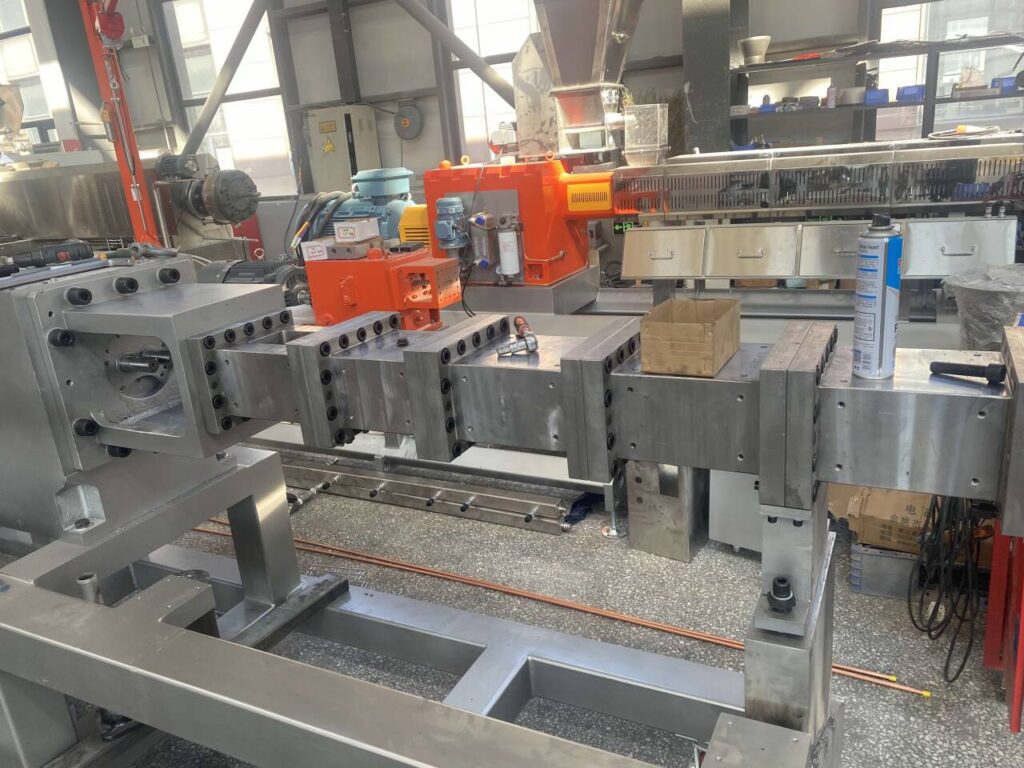
The specific type of extruder used for Kurkure production is a rotary die extruder (also called a rotating head extruder). This is distinct from the more common single-screw or twin-screw extruders used for other food products. The rotary die extruder is specifically designed to produce the characteristic twisted, irregular shape of Kurkure — a shape that cannot easily be achieved with a fixed die.
In a rotary die extruder, the die (the shaped opening through which the dough is forced) rotates continuously as the dough is extruded. This rotation causes the extruded rope of dough to twist and curl as it exits the machine, creating the distinctive Kurkure shape. The speed of rotation, the shape of the die opening, and the rate of extrusion all interact to determine the final shape and size of the extruded pieces. [3]
The Physics and Chemistry of Extrusion
Inside the extruder barrel, the dough is subjected to a combination of mechanical shear (from the rotating screw), heat (from both the mechanical energy of the screw and external heating elements), and pressure (from the constriction of the barrel and die). Temperatures inside the extruder barrel typically exceed 100°C — often reaching 130–160°C in the high-shear zones near the die.
At these temperatures and pressures, several important physical and chemical transformations occur in the dough:
Starch Gelatinization: The starch granules in the corn meal and rice meal absorb water and swell, eventually rupturing and forming a continuous, viscous gel. This gelatinization is what transforms the dry, granular dough into a cohesive, plastic material that can be shaped by the die.
Protein Denaturation: The proteins present in the grain materials are unfolded and reorganized by the heat and shear of the extruder. This protein denaturation contributes to the structural integrity of the extruded product.
Moisture Flash-Off and Expansion: As the pressurized dough exits the die into the ambient atmosphere, the sudden drop in pressure causes the superheated moisture within the dough to flash into steam almost instantaneously. This rapid steam generation causes the dough to expand dramatically — a process known as “puffing.” The degree of expansion is one of the key determinants of the final texture of the snack: more expansion produces a lighter, more airy texture; less expansion produces a denser, crunchier product.
Maillard Reaction Initiation: At the high temperatures of the extruder, the Maillard reaction (a chemical reaction between amino acids and reducing sugars) begins to occur. This reaction is responsible for the development of complex flavor compounds and the browning of the extruded material. While the Maillard reaction is desirable in many cooking contexts (it is responsible for the flavors of roasted coffee, toasted bread, and grilled meat), it also produces a range of chemical byproducts, some of which have raised health concerns — most notably acrylamide. [4]
Extruder Specifications
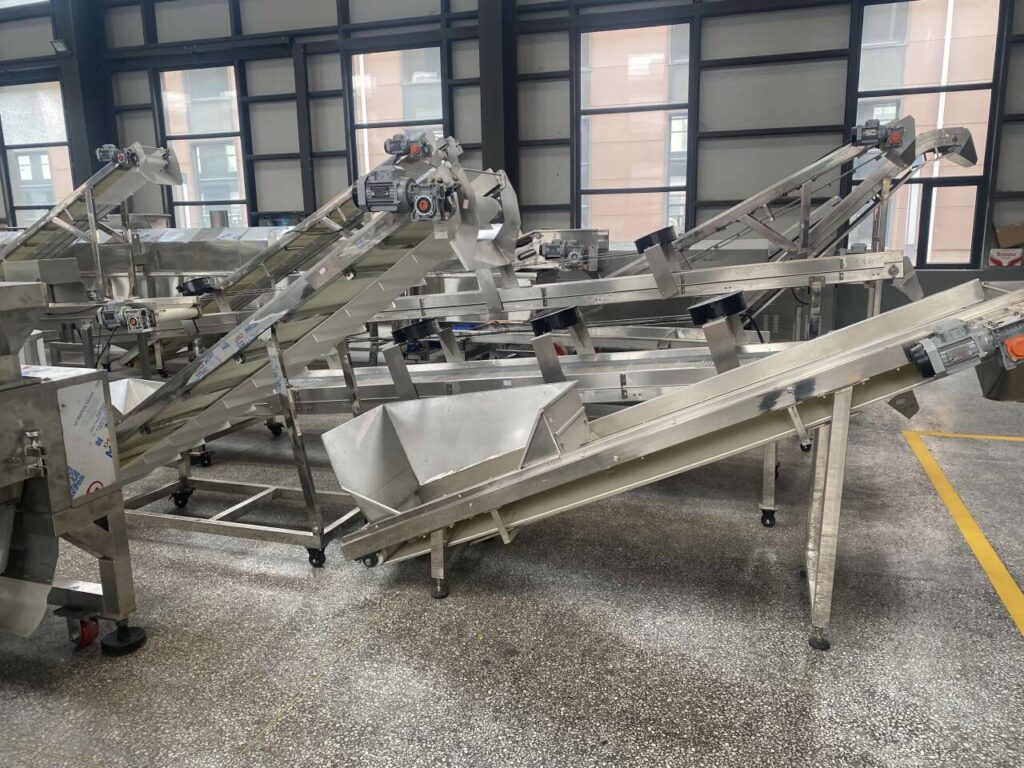
Industrial Kurkure extruders are substantial pieces of machinery. A typical production-scale rotary die extruder for Kurkure production has the following specifications:
Capacity: 100–200 kg/hour of finished extrudate
Main motor power: 22 kW
Rotary head motor: 5.5 kW
Total power consumption: approximately 27.5 kW
Operating temperature: 100–160°C
Operating pressure: varies by zone, typically 50–150 bar at the die
These specifications give some sense of the industrial scale and energy intensity of the process. A single production line running continuously can produce hundreds of kilograms of Kurkure per hour, and large manufacturing facilities may operate multiple lines simultaneously. [2]
3.3 Stage Three: Shaping and Cutting
As the twisted rope of extruded dough exits the rotary die, it must be cut into individual pieces of the appropriate length. This is accomplished by a cutting mechanism — typically a rotating blade — positioned immediately at the die exit. The speed of the cutting blade relative to the speed of extrusion determines the length of the individual Kurkure pieces.
The cutting process must be precisely synchronized with the extrusion process to ensure consistent piece length. Pieces that are too long will be irregular and may not fry evenly; pieces that are too short may be too small and will lose their characteristic shape. In modern automated production lines, the cutting speed is continuously monitored and adjusted by the control system to maintain consistency.
After cutting, the individual pieces — at this stage still relatively soft and pliable — are conveyed to the frying system. The time between cutting and frying is kept as short as possible to prevent the pieces from drying out unevenly or sticking together. [1]
3.4 Stage Four: Frying — The Oil Immersion Process
The frying stage is arguably the most significant step in the Kurkure manufacturing process from a nutritional standpoint. It is during frying that the snack acquires its final texture, its characteristic flavor notes, and a substantial portion of its caloric content.
The Industrial Frying System
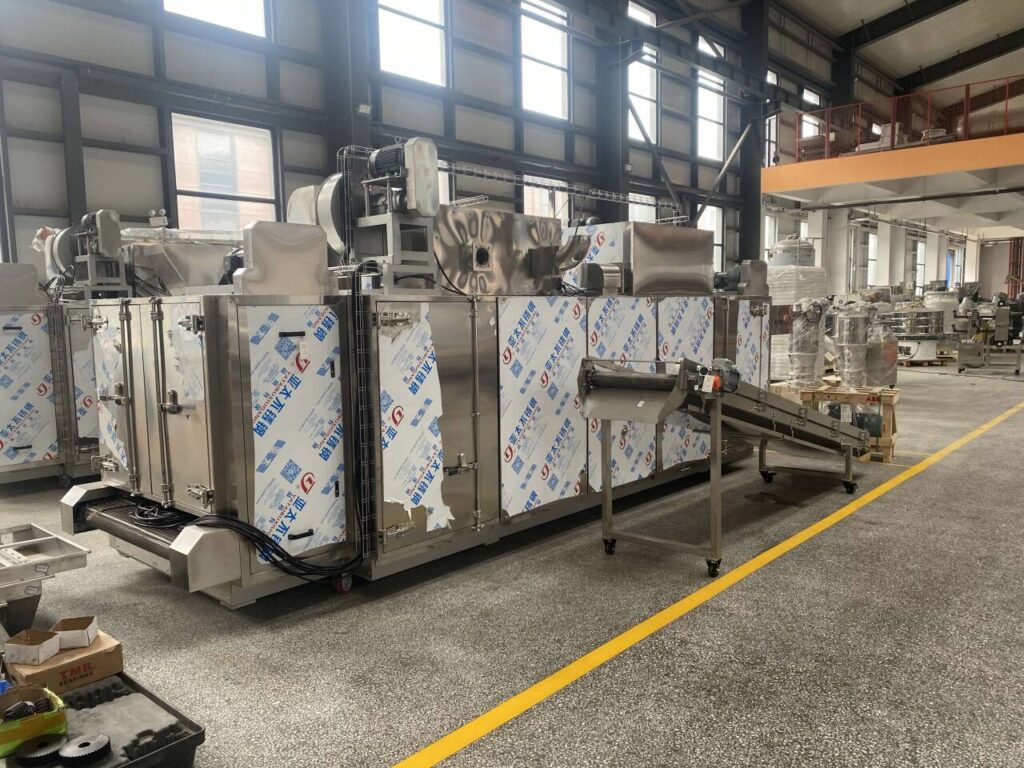
Industrial frying systems used in Kurkure production are continuous fryers — large, trough-like tanks filled with hot oil through which the product is conveyed on a submerged belt or mesh conveyor. The product enters the fryer at one end, travels through the hot oil for a precisely controlled time, and exits at the other end.
A typical industrial fryer used in Kurkure production has the following characteristics:
Oil volume: 350 kg or more of oil in the fryer tank at any given time
Frying temperature: typically 160–180°C
Frying time: 60–120 seconds
Capacity: up to 200 kg/hour of product
Heating system: electric heating elements or gas burners
Control systems: automatic oil temperature control, automatic oil level control, over-temperature alarms and automatic shutoff
The large volume of oil in the fryer tank serves as a thermal reservoir, helping to maintain a consistent frying temperature even as cold product is continuously added. Maintaining consistent oil temperature is critical for achieving consistent product texture and color.
What Happens During Frying
When the extruded Kurkure pieces enter the hot oil, several things happen simultaneously:
Moisture Removal: The residual moisture in the extruded pieces rapidly converts to steam and escapes from the product. This moisture removal is what creates the final crispy texture of the snack. As moisture leaves the product, it is replaced by oil, which is absorbed into the porous structure of the extrudate.
Oil Absorption: This is the key nutritional consequence of frying. As moisture escapes from the product, oil is drawn in to fill the void spaces. The amount of oil absorbed depends on the porosity of the extrudate (which is determined by the extrusion conditions), the frying temperature, the frying time, and the type of oil used. Typical extruded fried snacks absorb 20–35% of their weight in oil during frying, which is why fried snacks are so calorie-dense.
Color Development: The Maillard reaction, which began during extrusion, continues and accelerates during frying. The high temperature of the oil drives rapid browning reactions, developing the golden-yellow to light brown color of the fried product. The precise degree of browning is controlled by adjusting the frying temperature and time.
Flavor Development: Frying in oil also contributes significantly to the flavor of the finished product. The oil itself contributes flavor compounds, and the high-temperature reactions occurring at the surface of the product generate a range of volatile flavor compounds that contribute to the characteristic “fried” aroma and taste.
The Problem of Oil Degradation
One of the most significant but least discussed aspects of industrial frying is the degradation of frying oil over time. When oil is heated to frying temperatures and exposed to oxygen, moisture, and the food being fried, it undergoes a complex series of chemical reactions including oxidation, hydrolysis, and polymerization. These reactions produce a range of degradation products, including:
Free fatty acids: Produced by hydrolysis of triglycerides. High levels of free fatty acids indicate significant oil degradation and can affect the flavor and nutritional quality of the fried product.
Polar compounds: A broad category of oxidation and polymerization products that accumulate in frying oil over time. Regulatory standards in many countries set maximum limits for polar compounds in frying oil (typically 25–27%), and oil must be discarded when it reaches this level.
Trans fatty acids: Although the primary source of trans fats in the food supply is partial hydrogenation of vegetable oils, trans fats can also be formed during prolonged high-temperature frying through a process called geometric isomerization.
Acrylamide: This is perhaps the most concerning degradation product from a health perspective. Acrylamide is formed by the reaction between asparagine (an amino acid present in grain-based foods) and reducing sugars at temperatures above approximately 120°C. It is classified as a probable human carcinogen by the International Agency for Research on Cancer (IARC), and starchy fried and baked foods are among the primary dietary sources of acrylamide exposure. [4]
Industrial frying operations manage oil degradation through a combination of continuous oil filtration (to remove food particles that accelerate degradation), partial oil replacement (continuously adding fresh oil to replace oil absorbed by the product), and periodic complete oil changes. However, the economics of industrial production create pressure to extend the life of frying oil as long as possible, and there is ongoing debate about whether current regulatory standards for frying oil quality are sufficiently protective of consumer health.
3.5 Stage Five: Seasoning Application — The Flavor Engineering
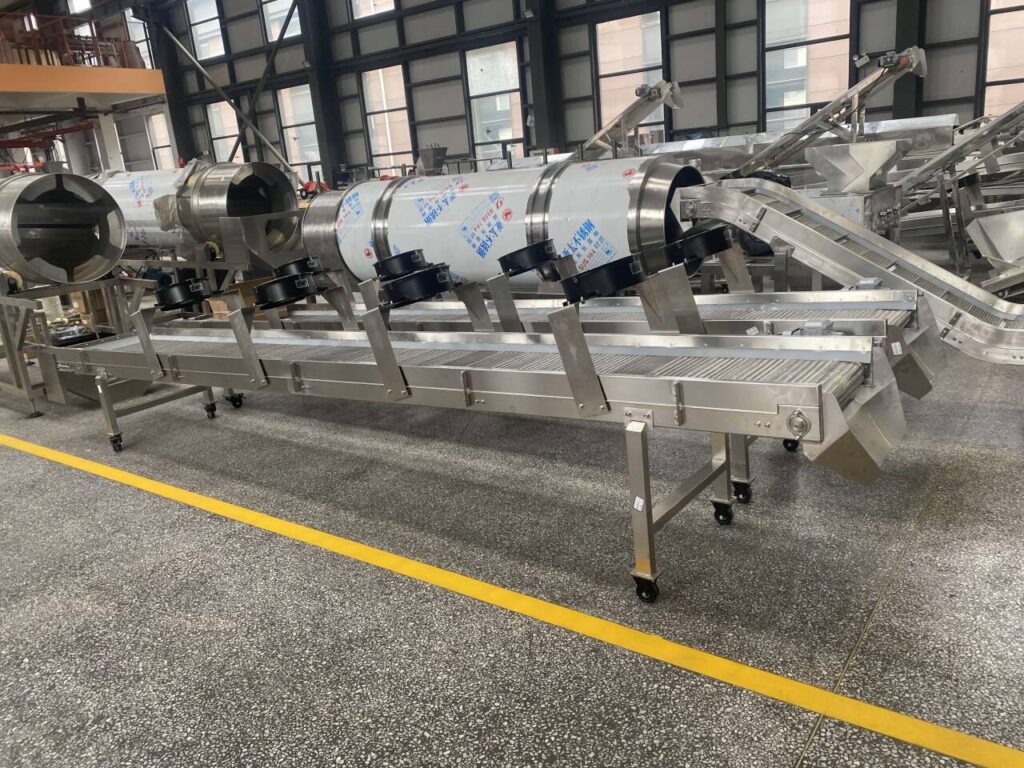
After frying, the Kurkure pieces are still essentially unseasoned — they have the right texture and the base flavor from frying, but they lack the intense, complex spice flavors that define the product. The seasoning is applied in a separate stage using a rotating drum coater (also called a tumble coater or coating drum).
The Coating Drum
The coating drum is a large, rotating cylindrical drum — typically 650 mm in diameter and 1,900 mm in length in production-scale equipment — through which the fried Kurkure pieces tumble continuously. As the pieces tumble, a precisely metered quantity of seasoning powder is applied, either by spraying or by direct addition. The tumbling action ensures that the seasoning is evenly distributed over the surface of all pieces.
The seasoning adheres to the surface of the fried pieces because the oil absorbed during frying acts as a natural adhesive. The warm, oil-coated surface of the freshly fried pieces is ideal for capturing and retaining the powdered seasoning blend. [2]
The Seasoning Blend: A Chemical Cocktail
The seasoning blend applied at this stage is where the ingredient list of Kurkure becomes most complex and most controversial. The seasoning is not simply ground spices — it is a carefully engineered powder blend that may contain dozens of individual ingredients, including:
Natural Spices: Chili powder, turmeric, coriander, cumin, black pepper, dried mango powder (amchur), dried ginger, garlic powder, onion powder. These provide the authentic spice flavors and the characteristic color of the seasoning coating.
Salt: Sodium chloride is a fundamental flavor component and also functions as a preservative. The salt content of Kurkure is significant — a typical 26-gram serving contains approximately 200–300 mg of sodium, which represents a meaningful fraction of the recommended daily intake, particularly for children who are among the primary consumers of the product.
Monosodium Glutamate (MSG): As noted earlier, MSG is a flavor enhancer that dramatically amplifies the savory, umami qualities of the seasoning. Its use in snack foods is widespread and controversial. While regulatory authorities generally consider MSG safe for the general population, some individuals report adverse reactions (the so-called “Chinese Restaurant Syndrome”), and there are ongoing scientific debates about its effects on appetite regulation and obesity.
Nucleotide Flavor Enhancers: Disodium inosinate (E631) and disodium guanylate (E627) are commonly used alongside MSG to create a synergistic enhancement of savory flavors. These compounds are typically derived from animal sources (meat, fish) or from yeast, which raises concerns for vegetarian consumers who may not be aware of their presence in the product.
Acidulants: Citric acid (E330) and other acidulants are used to provide tartness and to balance the flavor profile. They also have mild preservative effects.
Artificial Flavors: In addition to natural spices, artificial flavor compounds may be used to intensify or modify specific flavor notes. These are typically complex mixtures of synthetic chemicals that mimic natural flavor compounds.
Food Colors: Synthetic food dyes may be used to enhance or standardize the color of the seasoning coating. In India, permitted food colors include Sunset Yellow (E110), Tartrazine (E102), and others. Some of these synthetic dyes have been associated with hyperactivity and behavioral problems in children, and several have been banned or restricted in some countries while remaining permitted in others. [3]
Anti-caking Agents: To prevent the powdered seasoning from clumping during storage and application, anti-caking agents such as silicon dioxide (E551) or calcium silicate (E552) may be included.
Preservatives: To extend the shelf life of the seasoning blend and the finished product, preservatives such as butylated hydroxyanisole (BHA, E320) or butylated hydroxytoluene (BHT, E321) may be used. Both BHA and BHT are synthetic antioxidants that prevent the oxidation of fats. BHA is classified as a possible human carcinogen by IARC, and both compounds have been associated with various health concerns in animal studies, although their safety at the levels used in food has been defended by regulatory authorities.
3.6 Stage Six: Cooling and Packaging
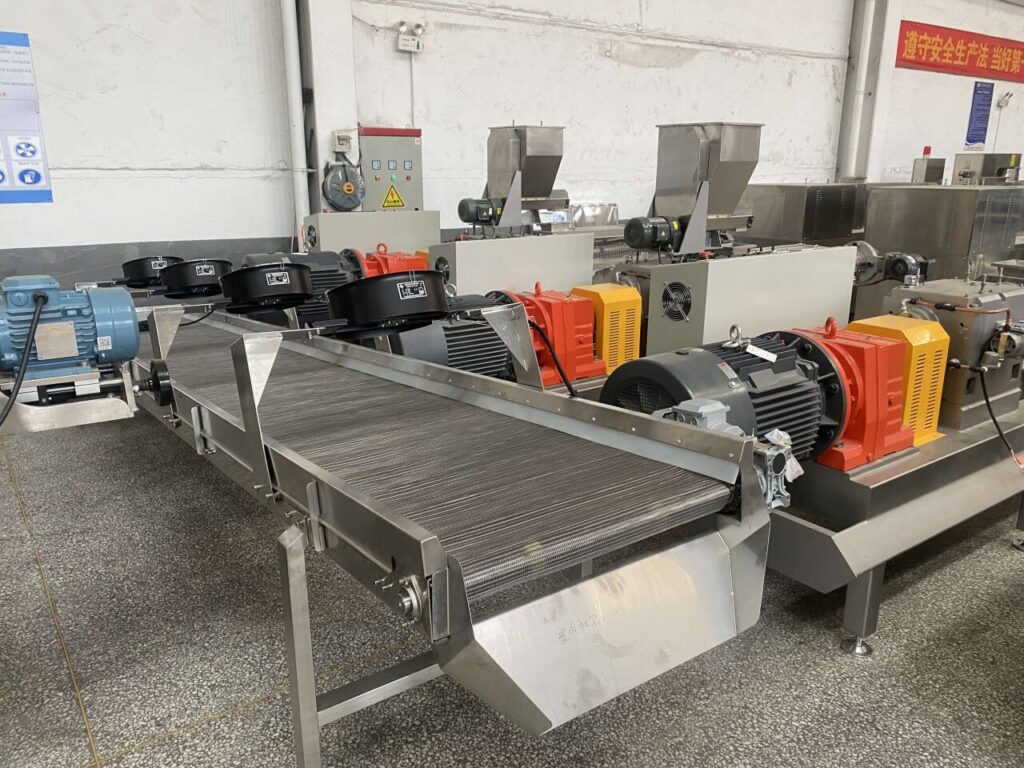
After seasoning, the Kurkure pieces must be cooled before packaging. Packaging warm product would result in condensation inside the packet, which would compromise the crispiness of the snack and accelerate microbial spoilage. Cooling is typically achieved by conveying the seasoned product through a cooling tunnel — a long, ventilated conveyor through which ambient or chilled air is blown.
Once cooled to an appropriate temperature, the product is conveyed to the packaging machines. Kurkure is packaged in multi-layer flexible film packets that provide a barrier against moisture, oxygen, and light — all of which would degrade the quality of the product during storage.
A critical aspect of the packaging process is the nitrogen flushing of the packets before sealing. Before the packet is sealed, the air inside is replaced with nitrogen gas. This serves two purposes: it prevents oxidation of the oil in the product (which would cause rancidity), and it provides a cushion of gas that protects the fragile fried snack pieces from being crushed during handling and distribution. The presence of nitrogen in the packet is why Kurkure packets feel “puffy” — they are inflated with inert gas, not air.
The packaging machines operate at high speed, filling and sealing hundreds of packets per minute. Each packet is weighed to ensure it contains the correct amount of product, and the seal is inspected for integrity. Finished packets are then collected, counted, and packed into outer cartons for distribution.
Chapter 4: The Nutritional Profile — What You Are Actually Eating
Having traced the complete manufacturing process, we are now in a position to understand the nutritional profile of the finished product and what it means for consumer health.
4.1 Macronutrient Composition
A typical 26-gram serving of Kurkure (approximately half a standard packet) contains approximately:
Calories: 130–140 kcal
Total fat: 7–8 grams (of which saturated fat: 3–4 grams)
Carbohydrates: 15–17 grams (of which sugars: less than 1 gram)
Protein: 2–3 grams
Dietary fiber: less than 1 gram
Sodium: 200–300 mg
This profile is characteristic of a fried, extruded snack: high in refined carbohydrates, high in fat (much of it saturated), moderate in calories per serving, very low in fiber, and relatively high in sodium. The low fiber content is a direct consequence of the use of refined grain flours — the bran and germ that contain most of the fiber in whole grains have been removed during milling.
4.2 The Glycemic Impact
The combination of refined starch (from the corn meal and rice meal) and the absence of fiber means that Kurkure has a high glycemic index — it causes a rapid spike in blood glucose levels after consumption. This rapid glucose spike triggers a corresponding spike in insulin, followed by a rapid drop in blood glucose that can stimulate further hunger and cravings. This “blood sugar roller coaster” effect is one of the mechanisms by which highly processed snack foods can promote overconsumption and contribute to weight gain.
4.3 The Acrylamide Question
As discussed in the section on frying, acrylamide is formed during the high-temperature processing of starchy foods. Extruded, fried snacks like Kurkure are among the food categories with the highest measured acrylamide concentrations. Studies have found acrylamide levels in similar snack products ranging from several hundred to over a thousand micrograms per kilogram of product.
Acrylamide is classified by IARC as a Group 2A carcinogen — “probably carcinogenic to humans” — based on strong evidence of carcinogenicity in animal studies and mechanistic evidence in humans. While the evidence for carcinogenicity at dietary exposure levels in humans is not conclusive, the precautionary principle suggests that minimizing dietary acrylamide exposure is prudent, particularly for children who consume these products frequently.
4.4 The Sodium Problem
The sodium content of Kurkure deserves particular attention given that the product is heavily marketed to and consumed by children. The World Health Organization recommends that adults consume no more than 2,000 mg of sodium per day, and the recommended limit for children is substantially lower. A single serving of Kurkure can provide 10–15% of an adult’s daily sodium limit, and children who consume multiple servings or who eat other high-sodium foods on the same day can easily exceed recommended limits.
Chronic high sodium intake is associated with elevated blood pressure, increased risk of cardiovascular disease, and kidney disease. The establishment of high-sodium dietary preferences in childhood through frequent consumption of salty snacks may also have long-term implications for dietary behavior and cardiovascular health.
4.5 The Fat Quality Issue
The type of fat in Kurkure is as important as the quantity. Fried snacks made with palm oil or other oils high in saturated fat contribute to dietary saturated fat intake, which is associated with elevated LDL cholesterol and increased cardiovascular disease risk. Additionally, the repeated heating of frying oil can produce trans fats and other oxidized lipid species that have adverse effects on cardiovascular health beyond those of the original saturated fat content.
Chapter 5: Food Safety, Regulation, and Transparency
5.1 Regulatory Framework
Kurkure is produced and sold under the regulatory oversight of the Food Safety and Standards Authority of India (FSSAI), which sets standards for food composition, labeling, permitted additives, and manufacturing practices. The product must comply with FSSAI regulations regarding the use of food additives, the accuracy of nutritional labeling, and the safety of the manufacturing process.
In general, Kurkure complies with applicable Indian food safety regulations. The ingredients used are permitted under Indian food law, the manufacturing process meets applicable hygiene and safety standards, and the product is labeled with nutritional information as required.
However, regulatory compliance is a minimum standard, not a guarantee of optimal health outcomes. The FSSAI, like food regulatory agencies in many countries, sets standards that reflect a balance between health protection and commercial interests, and the standards for processed snack foods have been criticized by nutritionists and public health advocates as insufficiently protective of consumer health, particularly children’s health.
5.2 The Viral Misinformation Problem
Kurkure has been the subject of numerous viral misinformation campaigns, most notably the claim that Kurkure contains plastic and will burn like plastic when set on fire. This claim is false. Kurkure does burn when set on fire — as do virtually all food products, because they contain organic compounds (fats, carbohydrates, proteins) that are combustible. The burning of Kurkure is not evidence of plastic content; it is simply evidence that it is a food product.
It is important to address this misinformation clearly, because the spread of false claims about Kurkure has two negative consequences: it distracts from legitimate concerns about the product’s nutritional profile and manufacturing process, and it erodes public trust in food safety information generally. The real concerns about Kurkure are not that it contains plastic — it does not — but that it is a highly processed, high-fat, high-sodium, low-nutrient food that is heavily marketed to children and consumed in large quantities. [1]
5.3 Labeling and Transparency
One area where legitimate criticism of Kurkure and similar products is warranted is the transparency of ingredient and nutritional labeling. While the product does carry a nutritional information panel as required by law, the information presented can be misleading in several ways:
Serving Size Manipulation: Nutritional information is presented per serving, but the defined serving size (typically 26 grams) is substantially smaller than the amount most consumers actually eat in a single sitting. A full packet of Kurkure typically contains 50–70 grams of product, meaning that a consumer who eats an entire packet is consuming approximately twice the stated serving size and therefore twice the stated calories, fat, and sodium.
Additive Disclosure: While all ingredients must be listed on the label, the specific chemical identities of flavor enhancers, colors, and preservatives are often disclosed only by their E-number codes, which are meaningless to most consumers. A consumer who does not know that E631 is disodium inosinate (an animal-derived flavor enhancer) cannot make an informed choice about whether to consume the product.
Health Claims: Kurkure advertising has historically made implicit or explicit claims about the product being a suitable snack for the whole family, including children. These marketing messages are not consistent with the nutritional profile of the product, which is high in fat, sodium, and refined carbohydrates and low in fiber, vitamins, and minerals.
Chapter 6: The Industrial Scale — Environmental and Social Dimensions
6.1 Energy and Resource Consumption
The manufacturing process described in this article is energy-intensive. The extrusion process requires substantial electrical power for the motor and heating systems. The frying process requires continuous heating of large volumes of oil. The cooling, packaging, and distribution processes all add to the energy footprint of the product.
A single Kurkure production line with a capacity of 200 kg/hour might consume 80–100 kW of electrical power during operation, in addition to the energy required for heating the frying oil. Scaled up to the level of a large manufacturing facility operating multiple lines around the clock, the energy consumption is substantial.
6.2 Oil Waste and Disposal
The frying process generates significant quantities of waste oil — degraded frying oil that must be periodically replaced. The disposal of used frying oil is an environmental concern, as improper disposal can contaminate water sources and soil. Responsible manufacturers typically arrange for used frying oil to be collected and processed into biodiesel or other industrial products, but the environmental burden of managing this waste stream is real.
6.3 Packaging Waste
Kurkure is packaged in multi-layer flexible plastic film that is not currently recyclable through most municipal recycling programs. The enormous volume of Kurkure sold annually generates a correspondingly enormous volume of plastic packaging waste. This is a significant environmental concern, particularly in India, where plastic waste management infrastructure is still developing and plastic pollution of waterways and landscapes is a serious problem. [3]
6.4 The Marketing to Children Issue
Perhaps the most significant social dimension of Kurkure production is the deliberate marketing of the product to children. Kurkure advertising has consistently featured child-friendly imagery, cartoon characters, and celebrity endorsements designed to appeal to young consumers. The product is sold in small, affordable packets that are accessible to children with limited pocket money.
The marketing of high-fat, high-sodium, low-nutrient snack foods to children is a practice that has been widely criticized by public health advocates and pediatric nutrition experts. Children are particularly vulnerable to the effects of poor dietary habits established in childhood, and the normalization of ultra-processed snack consumption through aggressive marketing has been identified as a contributing factor in the rising rates of childhood obesity, hypertension, and metabolic disorders in India and other countries where these products are heavily consumed.
Chapter 7: Comparative Analysis — Kurkure vs. Traditional Indian Snacks
7.1 The Traditional Snack Landscape
India has a rich tradition of fried snack foods — chakli, murukku, namkeen, bhujia, and dozens of regional specialties — that have been part of Indian food culture for centuries. Many of these traditional snacks are also fried, also high in fat and salt, and also not health foods in any strict sense. It would be misleading to suggest that the only concerns about Kurkure arise from its industrial production process.
However, there are meaningful differences between traditional Indian fried snacks and industrially produced extruded snacks like Kurkure:
Ingredient Quality: Traditional snacks are typically made from whole or minimally processed grain flours (chickpea flour, rice flour, wheat flour) that retain more of their original nutritional value. The highly refined corn meal and rice meal used in Kurkure have been stripped of most of their nutritional content.
Additive Load: Traditional snacks are typically seasoned with natural spices and salt, without the complex array of synthetic flavor enhancers, artificial colors, and preservatives found in Kurkure’s seasoning blend.
Oil Management: Traditional snacks are typically fried in fresh oil in small batches, whereas industrial frying involves continuous recycling of large volumes of oil at high temperatures, with the associated risk of oil degradation products.
Portion Control: Traditional snacks are typically purchased from vendors in small quantities and consumed relatively quickly, whereas packaged snacks like Kurkure are available in large quantities and can be consumed over extended periods, making portion control more difficult.
7.2 The Ultra-Processing Factor
Kurkure is a textbook example of what nutrition researchers call an “ultra-processed food” — a product that has been subjected to multiple industrial processing steps, contains ingredients not typically found in home cooking (such as flavor enhancers, artificial colors, and synthetic preservatives), and is designed primarily for palatability, convenience, and extended shelf life rather than nutritional value.
Research on ultra-processed foods has consistently found associations between high consumption of these products and adverse health outcomes, including obesity, type 2 diabetes, cardiovascular disease, and certain cancers. A landmark study published in the British Medical Journal in 2019 found that each 10% increase in the proportion of ultra-processed foods in the diet was associated with a 12% increase in cancer risk. While these associations do not prove causation, they are consistent with the known nutritional and chemical properties of ultra-processed foods.
Chapter 8: What Consumers Should Know — A Practical Guide
8.1 Reading the Label
The first step toward making informed choices about Kurkure and similar products is learning to read the label. Key things to look for include:
Serving size: Note the serving size and compare it to the amount you actually plan to eat. If you eat the whole packet, multiply all the nutritional values accordingly.
Sodium content: Check the sodium per serving and consider how it fits into your daily sodium budget.
Fat content and type: Note the total fat and saturated fat content. Be aware that the type of oil used affects the quality of the fat.
Ingredient list: Read the full ingredient list, not just the nutritional panel. Look for the presence of MSG, artificial colors (listed as E-numbers), and preservatives.
Additive codes: Familiarize yourself with common E-numbers used in snack foods, particularly E621 (MSG), E631 (disodium inosinate), E627 (disodium guanylate), E110 (Sunset Yellow), and E102 (Tartrazine).
8.2 Consumption Frequency and Quantity
Kurkure and similar snacks are not inherently forbidden foods, but they are best consumed occasionally and in modest quantities rather than as a daily dietary staple. The key principles are:
Treat, not staple: Think of Kurkure as an occasional treat rather than a regular snack. The nutritional profile of the product is not compatible with daily consumption, particularly for children.
Portion awareness: Be conscious of how much you are eating. It is easy to consume an entire packet without realizing it, particularly when eating while watching television or using a phone.
Context matters: A small amount of Kurkure as part of an otherwise balanced diet is very different from Kurkure as a primary snack food consumed multiple times daily.
8.3 Alternatives to Consider
For consumers who enjoy the crunch and spice of Kurkure but are concerned about its nutritional profile, there are alternatives worth considering:
Roasted snacks: Roasted chickpeas, roasted nuts, and roasted seeds provide crunch and flavor with significantly better nutritional profiles — more protein, more fiber, and healthier fats.
Baked snacks: Baked versions of extruded snacks exist and contain significantly less fat than their fried counterparts, though they may still contain similar additive profiles.
Traditional homemade snacks: Homemade chakli, murukku, or namkeen made with whole grain flours and natural spices provide a more nutritionally complete alternative, though they require more preparation time.
Fresh fruits and vegetables: For children in particular, fresh fruits and vegetables with dips provide a genuinely nutritious snacking option that can be made appealing with appropriate presentation.
Chapter 9: The Future of Kurkure — Industry Trends and Reformulation
9.1 Consumer Pressure for Healthier Options
There is growing consumer awareness of and concern about the nutritional quality of ultra-processed snack foods. In response to this pressure, PepsiCo and other snack manufacturers have made various commitments to reformulate their products to reduce sodium, reduce saturated fat, and eliminate certain controversial additives.
PepsiCo has publicly committed to reducing the average sodium content of its snack portfolio and to eliminating artificial colors and flavors from some of its products. Whether and to what extent these commitments have been implemented in Kurkure specifically is not always clear from public information, and consumers should check current product labels rather than relying on historical information.
9.2 Technological Innovation in Snack Production
The snack food industry is continuously investing in new technologies that could potentially improve the nutritional profile of extruded snacks without sacrificing the sensory qualities that make them appealing. Areas of active development include:
Reduced-fat frying technologies: Vacuum frying, which fries product at lower temperatures under reduced pressure, can produce fried snacks with significantly lower fat content and reduced acrylamide formation.
Baking and hot-air processing: Advanced hot-air processing technologies can produce extruded snacks with a texture similar to fried products but with substantially lower fat content.
Ingredient substitution: Research into the use of whole grain flours, legume flours, and other more nutritious base ingredients in extruded snacks is ongoing.
Natural seasoning systems: Development of natural flavor systems that can replace synthetic flavor enhancers and artificial colors while maintaining the intense flavors that consumers expect.
9.3 Regulatory Evolution
Regulatory frameworks for processed snack foods are also evolving. Several countries have introduced front-of-pack warning labels for foods high in fat, sugar, and sodium. India has been considering similar measures, and if implemented, such labeling would require products like Kurkure to carry prominent warning labels indicating their high fat and sodium content. Such labeling has been shown to influence consumer purchasing behavior and to encourage manufacturers to reformulate products to avoid the labels.
Conclusion: Informed Consumption in the Age of Ultra-Processed Food
The manufacturing process of Kurkure, as revealed in this article, is a sophisticated industrial operation that transforms simple grain flours into a highly palatable, shelf-stable snack product through a sequence of carefully controlled processing steps. The technology involved — rotary die extrusion, continuous industrial frying, precision seasoning application — represents genuine engineering achievement, and the consistency and quality control achieved in modern Kurkure production are impressive by any measure.
But impressive technology and genuine achievement do not automatically translate into a healthy or fully transparent product. The manufacturing process of Kurkure involves the use of highly refined grain flours stripped of their nutritional value, industrial frying in large volumes of oil at high temperatures with associated risks of acrylamide formation and oil degradation, and the application of complex seasoning blends containing synthetic flavor enhancers, artificial colors, and preservatives whose long-term health effects — particularly in children who consume these products frequently — are not fully understood.
None of this makes Kurkure a uniquely dangerous or uniquely dishonest product. It is a product that is typical of its category — the ultra-processed snack food category — and the concerns raised here apply equally to dozens of similar products from dozens of manufacturers. The issue is not Kurkure specifically but the broader pattern of industrial food production that prioritizes palatability, shelf life, and profit margin over nutritional quality and consumer transparency.
The most important takeaway from this article is not “never eat Kurkure” but rather “understand what you are eating.” Informed consumers are better equipped to make choices that align with their values and health goals. They can choose to enjoy Kurkure occasionally as a treat while maintaining a diet that is predominantly composed of whole, minimally processed foods. They can advocate for better labeling, stronger regulatory standards, and greater corporate transparency. And they can support the development of snack products that are genuinely both delicious and nutritious — a goal that is technologically achievable, even if it is not yet commercially dominant.
The orange packet is cheerful, the crunch is satisfying, and the spice is addictive. But behind that packet lies a factory, and behind the factory lies a set of choices — about ingredients, about processing methods, about additives, about marketing — that consumers deserve to understand. This article has attempted to make those choices visible. What consumers do with that visibility is, ultimately, up to them.