Kurkure—the name itself conjures up images of spicy, crunchy, addictive curls that have become a staple of Indian snacking. While the packaged version is beloved across generations, there’s something special about making this crispy treat in your own kitchen. kurkure making machine Whether you’re aiming for the classic masala flavor or experimenting with vegetable-based versions, mastering the art of kurkure requires understanding a few key principles. Here’s your comprehensive guide to making perfect kurkure at home.
Understanding the Base: Flours and Binders
The foundation of great kurkure lies in the right combination of flours. Traditional recipes call for a mix of rice flour, cornmeal, and chickpea flour (besan). This trio creates the signature light, crispy texture that makes kurkure so addictive.
For those looking for healthier options, the gluten-free version substitutes rice flour and jowar flour as the primary ingredients. The key is balancing these flours to achieve that perfect crunch—too much besan makes the snack heavy, while too little affects the binding.
The Dough: Getting the Consistency Right
Kneading and Resting
The dough is where many home cooks go wrong. Your goal is a semi-soft dough that’s pliable but not sticky. Start by mixing your dry ingredients—flours, salt, spices like turmeric and red chili powder—then add a tablespoon of oil and gradually incorporate water. Knead until smooth and cover with a moist cloth for about 10 minutes.
Pro tip: The dough should be medium-soft, not hard, for the best results. A hard dough won’t puff up properly during frying, resulting in dense, tough kurkure instead of light, crispy ones.
Shaping Your Kurkure
Once your dough has rested, take small portions and shape them into thin, irregular forms. The classic kurkure shape is achieved by rolling small balls into thin strips and folding them into circles or curling them. For a more uniform approach, you can roll the dough into flat rotis and cut them into triangles or squares.
Critical tip: Keep shaped kurkure covered with a moist cloth to prevent drying. Dry pieces won’t puff up when they hit hot oil, resulting in flat, hard snacks.
The Frying Technique: Temperature and Timing
Perfect frying is the make-or-break step in kurkure preparation.
Oil Temperature
Heat oil to a medium-high temperature before adding your shaped dough. The oil should be hot enough that the kurkure immediately starts puffing up. kurkure making machine Drop in a test piece—if it rises quickly and puffs, the temperature is right. Once you add the kurkure, lower the flame to medium-low to ensure they cook through without burning.
The Puffing Process
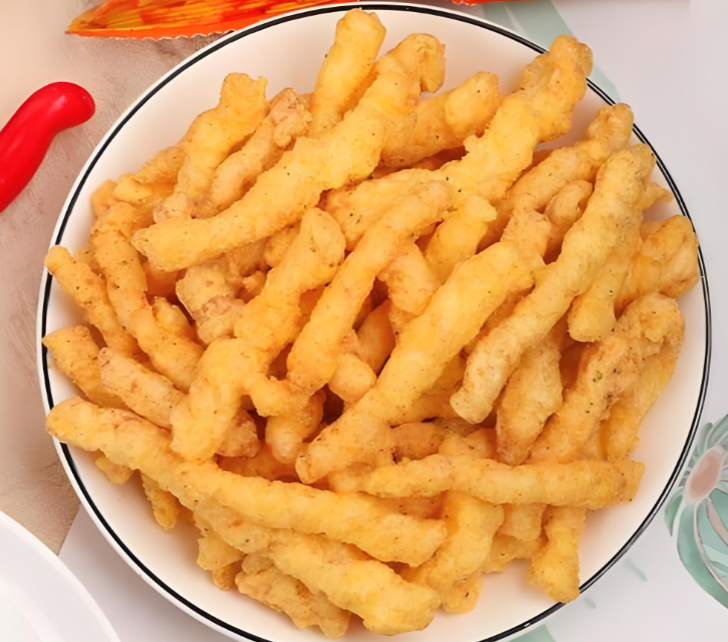
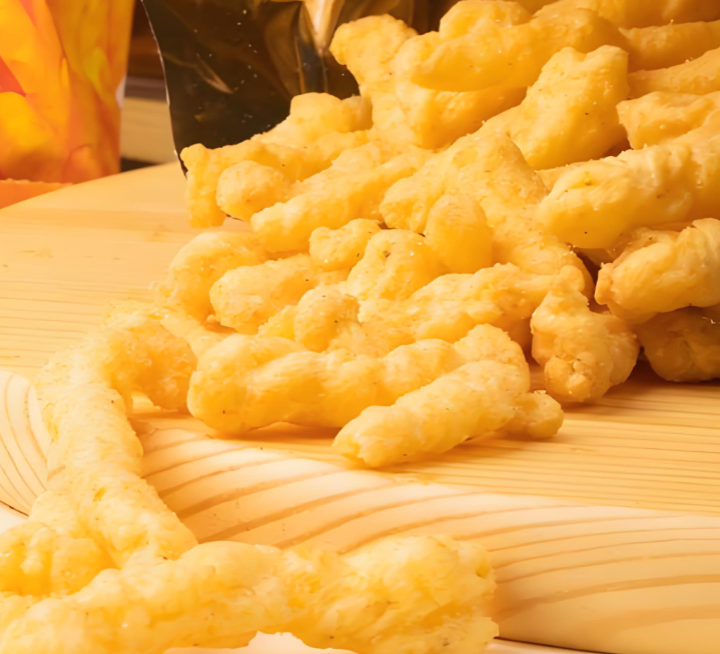
Here’s where the magic happens. When kurkure hits hot oil, it should puff up. To encourage this, splash hot oil over the top of the pieces as they fry. Fry until they turn golden brown and crispy, which typically takes a few minutes per batch.
Key point: Don’t overcrowd the pan. Fry in small batches to maintain oil temperature and ensure even cooking.
Draining and Cooling
Once golden and crispy, remove the kurkure and drain on paper towels to absorb excess oil. This step is crucial—proper draining prevents sogginess and ensures your kurkure stays crisp longer.
Seasoning: The Flavor Finale
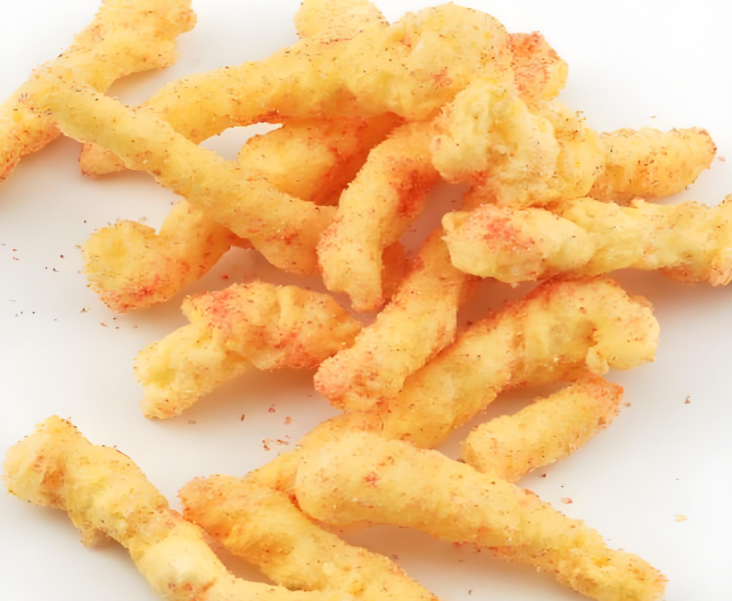
What makes kurkure truly irresistible is the spice blend. While the pieces are still hot (this helps the spices adhere), sprinkle generously with your seasoning mix.

Classic Masala Blend
Mix chaat masala with Kashmiri red chili powder and a pinch of black salt for that signature tangy-spicy kick. For a Maggi-inspired version, combine Maggi masala with red chili powder and black salt.
Alternative Seasonings
Get creative with your seasoning—try amchur powder for tanginess, garlic powder for savory depth, or even a touch of powdered sugar for a sweet-spicy contrast.
Storage: Keeping the Crisp
To enjoy your homemade kurkure for days, proper storage is essential. Allow them to cool completely, then transfer to an airtight container. This prevents moisture from seeping in and ruining that perfect crunch.
Troubleshooting Common Issues
| Problem | Solution |
|---|---|
| Kurkure not puffing up | Dough was too dry or pieces dried out before frying; keep covered with moist cloth |
| Soggy texture after cooling | Oil temperature was too low; ensure medium-high heat for initial frying |
| Burnt outside, raw inside | Flame was too high; fry on medium-low after initial puffing |
| Too greasy | Oil not hot enough; drain thoroughly on paper towels |
Serving Suggestions
Serve your homemade kurkure as a standalone snack with ketchup or green chutney. For an elevated experience, mix them with chopped tomatoes, onions, fresh coriander, and a squeeze of lemon for a spicy chaat-style treat—this is a popular way to enjoy kurkure in Indian households.

Final Thoughts
Making kurkure at home is equal parts science and art. kurkure making machine The science lies in getting the flour ratios right, understanding oil temperature, and mastering the frying technique. The art comes through in your shaping and your unique spice blend. With practice and attention to these key steps—proper dough consistency, careful shaping, correct frying temperature, and timely seasoning—you’ll be creating batch after batch of perfectly crisp, spicy kurkure that rivals any store-bought version.