আপনার ইনবক্সে বিশেষজ্ঞ ডিজাইন ও উৎপাদন সংক্রান্ত টিপস পেতে সাবস্ক্রাইব করুন।.
Producing high-quality commercial dog food is a sophisticated scientific process that combines nutritional expertise, precision engineering, and rigorous safety protocols. Whether you’re formulating extruded kibble or exploring alternative methods, success depends on mastering every stage—from ingredient selection to final packaging. Here is a complete guide to doing it right.
1. Start with a Scientifically Formulated Recipe
The foundation of excellent dog food is a recipe that delivers complete and balanced nutrition for the target life stage (puppy, adult, or senior). Commercial pet food must meet established nutritional standards, such as those set by AAFCO in the US or FEDIAF in Europe .
A typical recipe includes:
Protein sources – Chicken meal, meat and bone meal, or fresh/frozen meat derivatives
Carbohydrate sources – Grains like corn, wheat, brewer’s rice, or grain-free alternatives
Fats and oils – For energy and healthy skin/coat (animal fat, vegetable oil)
Fiber sources – Beet pulp for digestive health
Vitamin and mineral premix – Added to compensate for nutrients lost during processing
Key consideration: The recipe must account for how the cooking process affects nutrients. For example, extrusion improves protein and starch digestibility but can degrade heat-sensitive vitamins (B vitamins, A, E) . Manufacturers compensate by over-formulating these nutrients in the original recipe so the finished product meets label guarantees through the “best before” date.
2. Source Ingredients with Rigorous Quality Standards
Quality assurance begins long before production—it starts with ingredient sourcing . Suppliers must meet strict criteria for purity, nutritional content, and safety.
Best practices:
Require suppliers to follow Good Manufacturing Practices (GMPs) and undergo regular audits
Test every ingredient upon arrival to verify identity, composition, and absence of contaminants
Maintain full traceability—every ingredient should be traceable back to its source, enabling quick action if issues arise
3. Prepare Ingredients with Precision
Dry ingredients (grains, meals) are milled or ground to a uniform particle size. Wet ingredients (meats, liquids, fats) are added separately. Accurate weighing is critical—recipe deviations can alter nutritional profiles and consistency .
4. Master the Extrusion Process (The Core of Kibble Production)
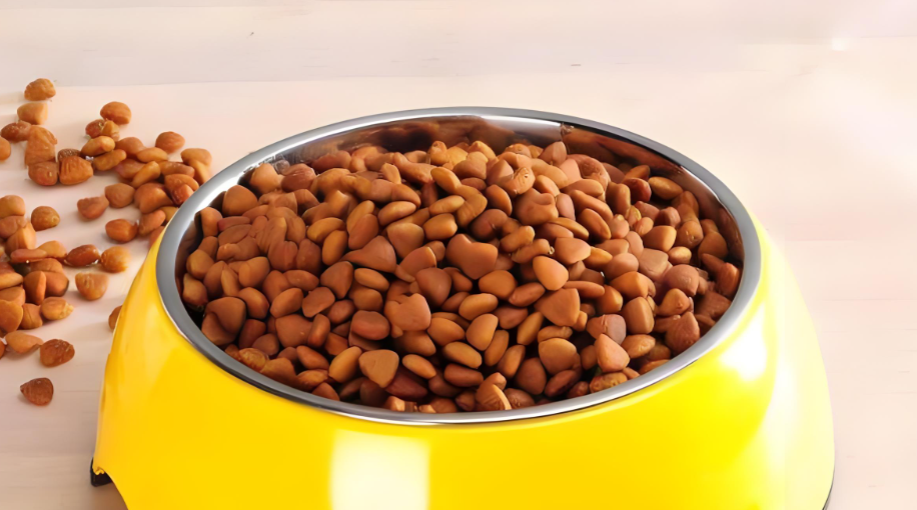
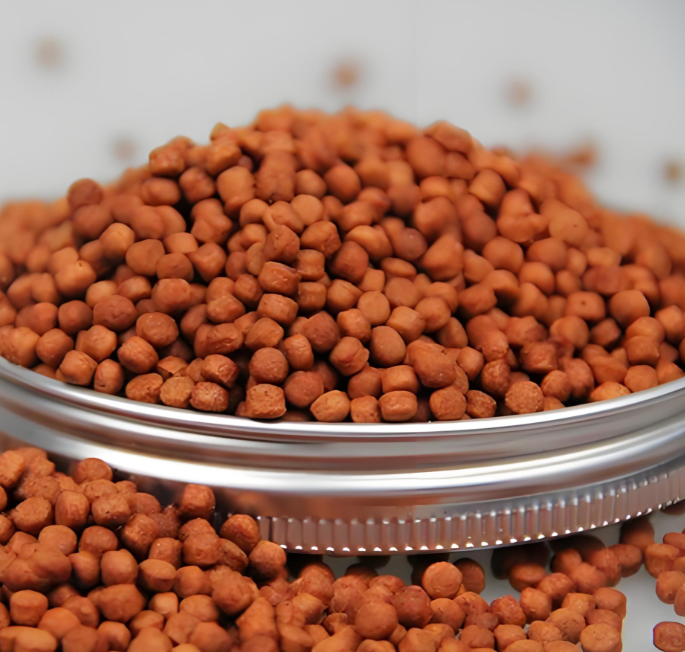
Extrusion is the dominant method for producing dry dog food kibble, also used for human foods like pasta and cereal . Here’s how it works:
Step-by-step extrusion:
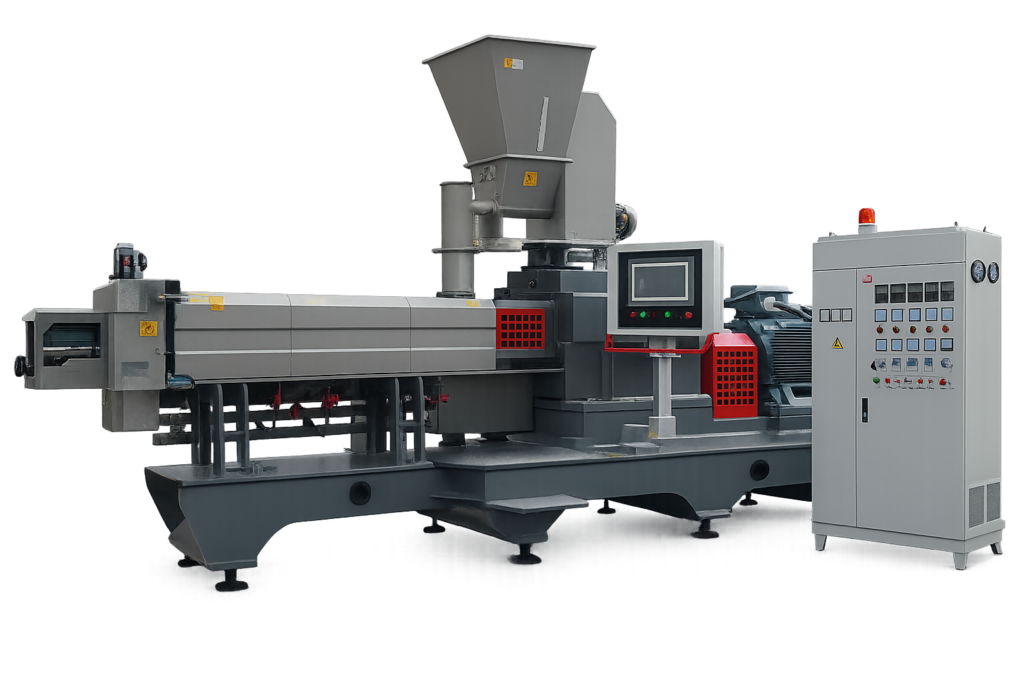
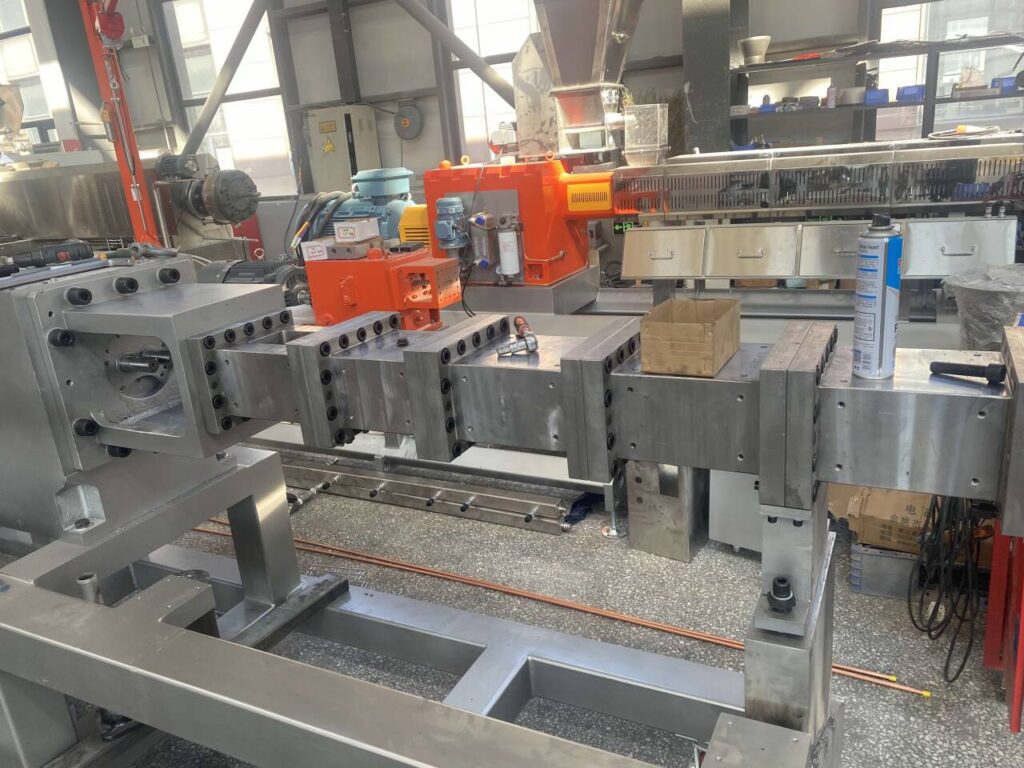
Preconditioning – The dry ingredient mix enters a preconditioner, where water and steam are added to hydrate the powders, create a dough, and begin the cooking process .
এক্সট্রুশন কুকিং – The dough moves into an extruder, where it is cooked under high heat (often exceeding 300°F) and intense pressure .
Shaping and expansion – The cooked dough exits through a die plate, creating ribbons of a specific shape. As it hits air pressure, the kibble expands. A rotary cutter slices it to the desired size .
Drying – Kibbles pass through an oven to reduce moisture content to below 12%, which preserves the food and prevents spoilage .
শীতলীকরণ – The kibble is cooled before coating.
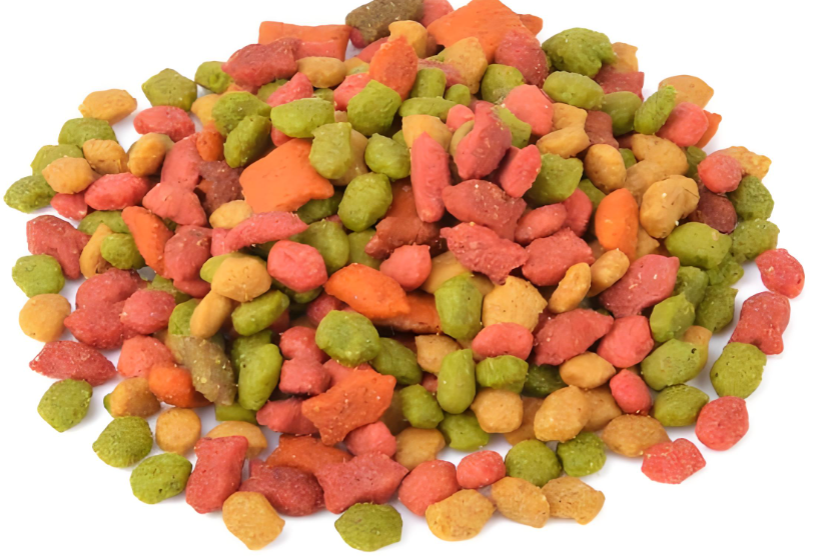
Why extrusion matters: The process influences kibble size, shape, color, uniformity, and texture . It also eliminates pathogenic microorganisms . Studies show extruded kibble results in better fecal quality and nutrient digestibility compared to baked or pelleted formulas .
5. Apply Coatings for Flavor and Preservation
After drying and cooling, kibbles enter a revolving drum where they are evenly sprayed with coatings . These typically include:
Flavors – To enhance palatability
Preservatives – To prevent spoilage throughout shelf life (typically 12–18 months for dry foods)
Additional nutrients – Some vitamins or oils may be applied externally to avoid heat degradation
6. Implement Strict Safety and Sanitation Protocols
Safety is non-negotiable in commercial pet food production. In the US, pet food is regulated under the Food Safety Modernization Act (FSMA) , which requires a proactive, preventive approach rather than reactive oversight .
Core requirements:
A written food safety plan identifying potential hazards and controls
Compliance with Current Good Manufacturing Practices (cGMPs) for facility design and maintenance
Sanitation Standard Operating Procedures (SSOPs) that detail cleaning steps, frequency, approved agents, and verification methods
Routine cleaning (daily contact surfaces) and periodic deep cleaning with equipment disassembly
A designated Preventive Controls Qualified Individual (PCQI) to oversee food safety
“Safe food production starts with effective sanitation practices within the facility. Yet, the importance of cleaning is often underestimated and underappreciated.” – Yue Zheng, Commercial Food Sanitation
7. Conduct Quality Assurance at Every Stage
Quality assurance is not a single step—it’s embedded throughout production .
Key QA checkpoints:
In-process monitoring – Technicians track temperature, pressure, moisture, and other parameters during mixing, cooking, drying, and packaging to ensure consistency and safety .
Finished product testing – Samples are analyzed to confirm nutrient guarantees, product standards, and lot-to-lot consistency. Many manufacturers also use independent third-party laboratories for verification .
Record keeping – Accurate, accessible records demonstrate that the food safety program is implemented effectively, as required by FSMA .
8. Package and Store Correctly
Packaging is designed to keep food fresh and maintain nutrient levels throughout shelf life . Key considerations:
Fill packs according to declared weight
Seal packaging appropriately to prevent contamination
Store finished products in warehouses under controlled conditions before distribution
9. Enable Full Traceability and Recall Readiness
Traceability systems link every batch of finished product back to its ingredient sources . Batch codes and “best by” dates on packaging allow manufacturers to:
Quickly identify and isolate affected products in case of a quality concern
Communicate clearly with retailers, veterinarians, and consumers
Maintain consumer trust through transparency
10. Embrace Continuous Improvement
The pet food industry evolves with new research, technologies, and consumer expectations. Leading manufacturers:
Invest in employee training on sanitation, food handling, and process control
Employ veterinarians, animal nutritionists, and food scientists to evaluate new formulations and innovations
Implement modern technologies like real-time monitoring and digital traceability systems
Regularly review and update food safety plans based on emerging science
Quick Reference: Extruded Kibble Production Steps
ধাপ
Key Action
Formulation
Complete & balanced recipe accounting for nutrient losses
Sourcing
Supplier audits, ingredient testing, traceability
Milling
Grind dry ingredients to uniform particle size
মিশ্রণ
Combine dry and wet ingredients
এক্সট্রুশন
Cook under high heat/pressure; shape and expand
Drying
Reduce moisture to <12%
Coating
Spray with flavors, preservatives, nutrients
QA testing
Verify nutrient guarantees and safety
মোড়কজাতকরণ
Airtight seal; label with batch code and best-by date
Storage
Controlled environment before distribution
Making great commercial dog food is about mastering a system—not just following a recipe. Success requires a holistic approach that integrates nutritional science, engineering precision, rigorous food safety, and continuous quality improvement. From ingredient sourcing to the final product on the shelf, every step must be executed with care and accountability.
When done right, commercial pet food provides safe, nutritious, and highly digestible meals that support the health and longevity of dogs worldwide . The commitment to quality is ultimately a commitment to the pets who depend on these foods every day.
Abstract The aquaculture industry is the fastest-growing food production sector globally, and its sustainability and profitability are inextricably linked to ...