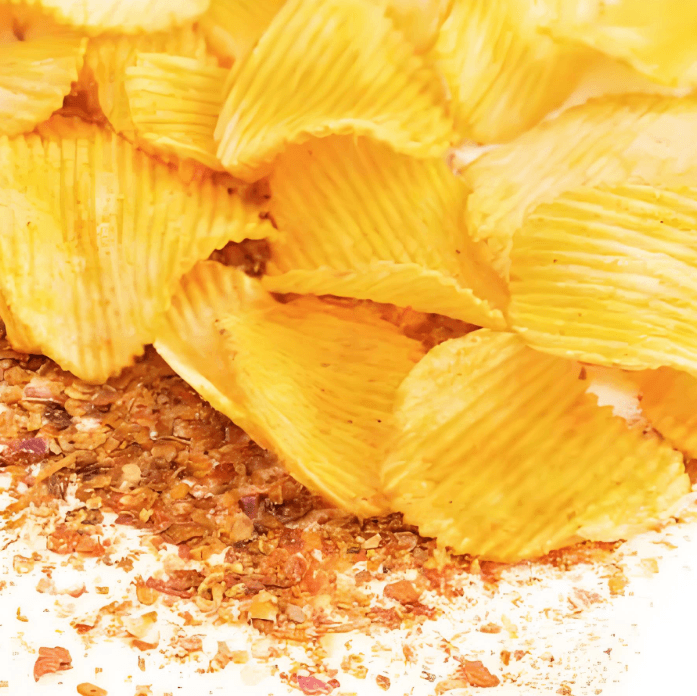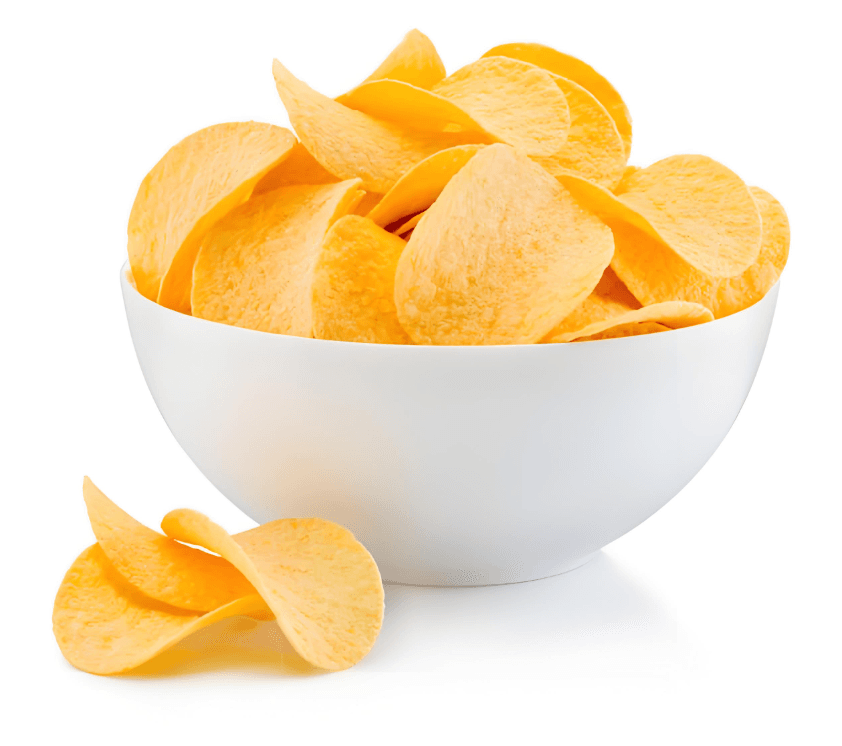
A food extruder is a versatile machine used in the food industry to transform raw ingredients into a wide variety of products, such as snacks, breakfast cereals, pasta, and textured vegetable protein. The process involves forcing ingredients through a die under controlled conditions of temperature, pressure, and moisture. To achieve this, a food extruder is made up of several key components that work together seamlessly. This article outlines the main parts of a typical food extruder.
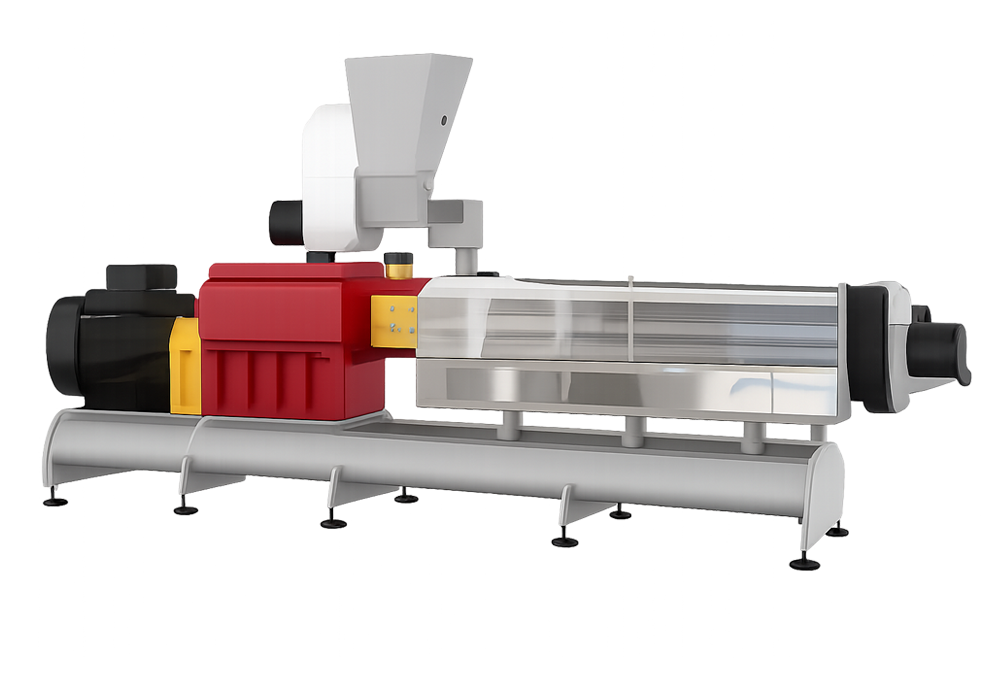
1. Feeding System
The feeding system is the entry point of the extruder. It typically consists of a hopper and a feeding mechanism, such as a screw conveyor or a vibratory feeder. corn snack extruder The hopper holds the raw ingredients, while the feeder regulates the flow of material into the extruder barrel at a consistent rate. Precise feeding is crucial because fluctuations can affect the final product’s quality and the extruder’s stability.
2. Extruder Barrel
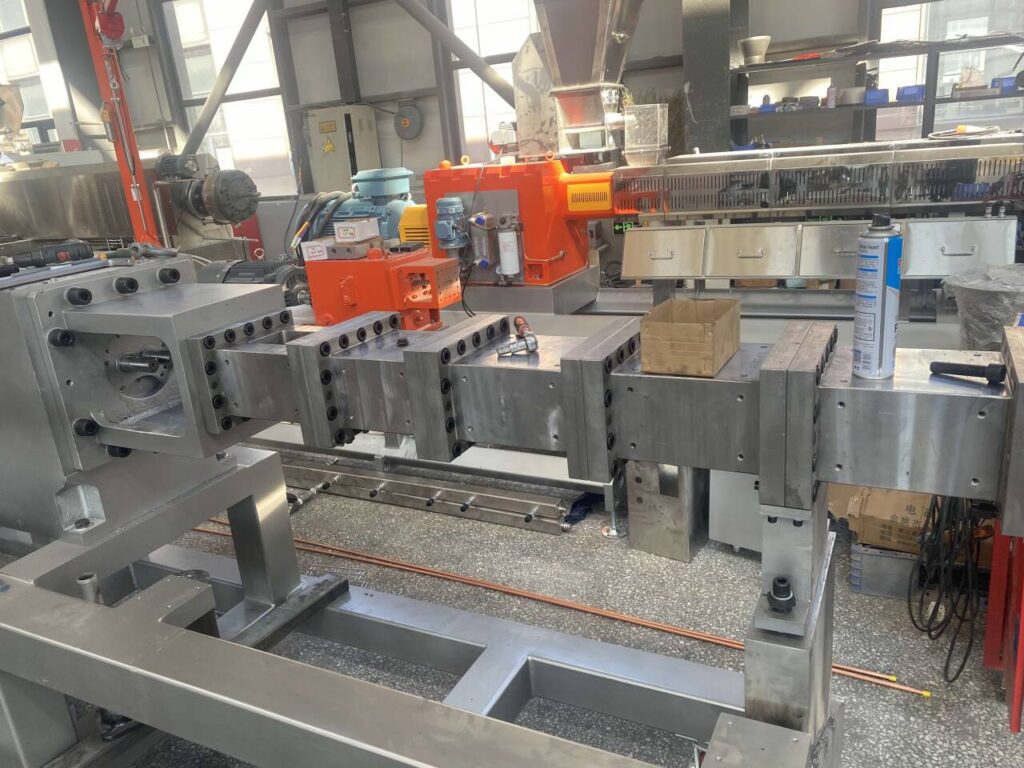
The extruder barrel is the main body of the machine, housing the screw and providing a controlled environment for processing. It is usually a cylindrical chamber made of durable, food-grade metal. The barrel can be divided into several zones, each with independent temperature control. These zones allow for precise heating, cooking, and cooling of the material as it moves through the extruder.
3. Screw
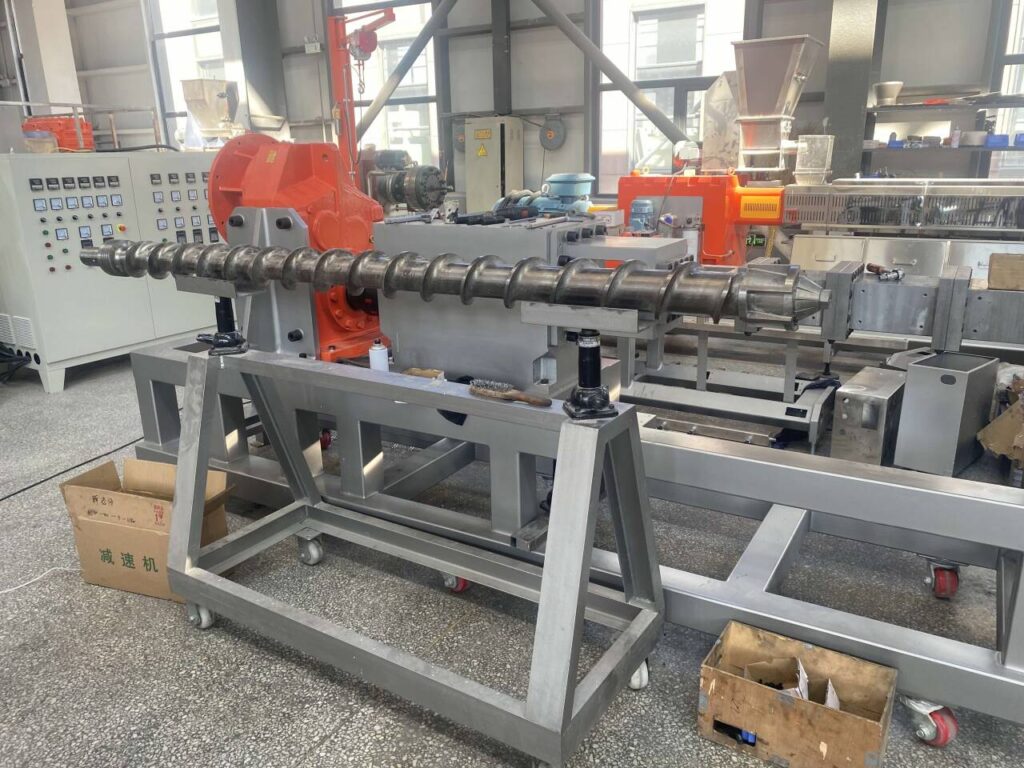
The screw is often considered the heart of the extruder. It is a rotating helical shaft that conveys, mixes, shears, and compresses the material. Screws can have different designs—such as single-screw or twin-screw—depending on the application. The screw’s geometry (pitch, flight depth, and number of flights) influences the degree of mixing, shear, and conveying efficiency. As the material moves along the screw, it undergoes mechanical and thermal energy input, leading to cooking and texturization.
4. Die
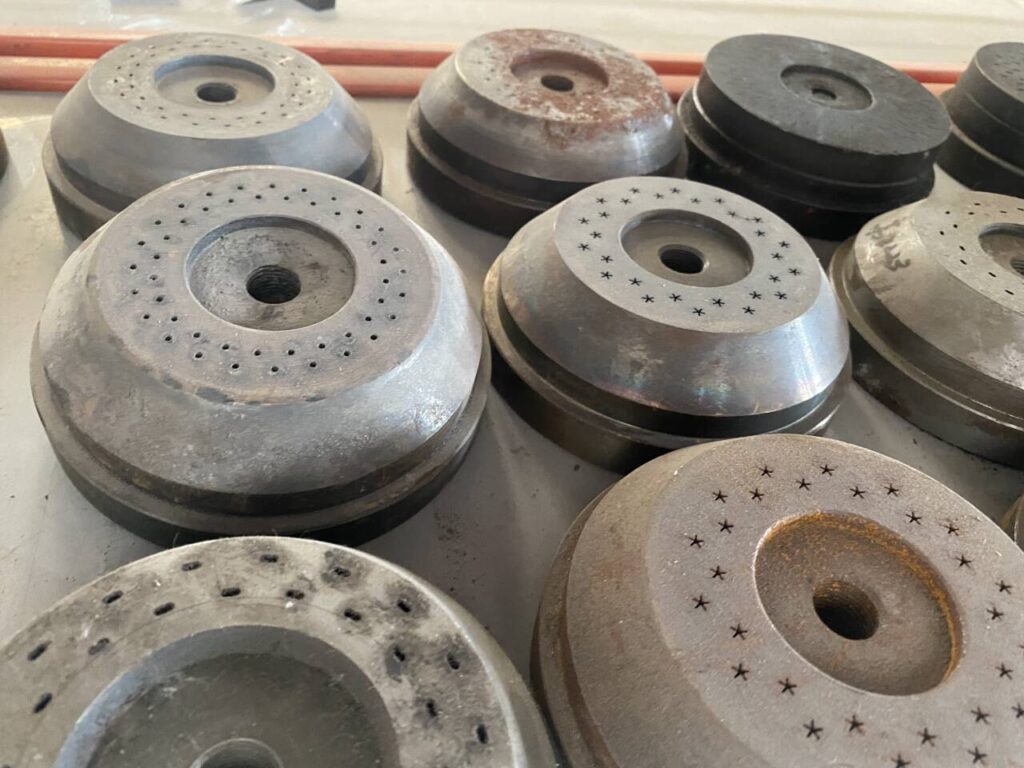
The die is located at the discharge end of the extruder. It is a shaped opening through which the molten or semi-solid material is forced, giving the final product its desired cross-sectional shape. Dies can be simple (e.g., a round hole for puffed snacks) or complex (e.g., a multi-layered die for co-extruded products). The design of the die significantly affects the texture, size, and appearance of the extruded product.
5. Heating and Cooling Systems
Temperature control is critical in extrusion. Heating is typically provided by electrical heaters, steam, or thermal fluid circulating around the barrel. Cooling may be achieved with water or air. corn snack extruder These systems allow operators to precisely manage the thermal profile along the barrel, which is essential for gelatinizing starch, denaturing proteins, and controlling expansion at the die.
6. Cutting Mechanism
At the die exit, a cutting mechanism is often employed to cut the extrudate into the desired length. This can be a rotating blade, a fly knife cutter, or a pneumatic cutter. The speed and type of cutter influence the final product’s shape and consistency. For example, in snack production, a high-speed cutter creates short, puffed pieces, while a slower cutter may produce longer strands.
7. Drive and Control System
The drive system, consisting of a motor, gearbox, and couplings, provides the power to rotate the screw. It must deliver sufficient torque and speed control to handle varying formulations and processing conditions. Modern extruders are equipped with advanced control systems, including sensors for temperature, pressure, and screw speed, as well as programmable logic controllers (PLCs) and user interfaces. These allow for automation, data logging, and precise adjustment of process parameters.
8. Support Frame and Auxiliary Equipment
The entire extruder is mounted on a sturdy support frame that ensures stability and alignment. Auxiliary equipment may include preconditioners (for pre-moistening and pre-heating ingredients), liquid injection systems (for adding water, oil, or flavors), and post-extrusion dryers or coaters. These components enhance the functionality and product range of the extruder.
الخلاصة
A food extruder is a complex assembly of interdependent components, each playing a vital role in transforming raw ingredients into finished products. From the feeding system to the die and cutting mechanism, every part contributes to the efficiency, versatility, and quality of the extrusion process. Understanding these components is essential for anyone involved in food processing, as it enables better control, optimization, and innovation in product development.