Fortified rice has emerged as one of the most effective public health interventions to combat micronutrient deficiencies in populations that rely on rice as a staple food. However, producing fortified rice that is nutritionally effective, visually acceptable, and commercially viable is not a simple matter of mixing vitamins with grains. It is a precision-driven process that demands scientific rigor and operational discipline. Below are the five paramount elements for excelling in the production of fortified rice.
1. The Precision of the Premix Formulation (The Nutritional Blueprint)
The foundation of any fortified rice program lies in the premix—a concentrated blend of vitamins and minerals designed to be extruded into rice-shaped kernels. The primary element here is bioavailability versus stability. Iron, zinc, folic acid, and vitamin B12 are common fortificants, but they often compete for absorption or degrade under heat and light.
- التحدي: Using ferric pyrophosphate (insoluble iron) offers better color stability but lower bioavailability, while ferrous sulfate is highly bioavailable but can catalyze lipid oxidation, leading to rancidity.
- الحل: The manufacturer must conduct rigorous stability studies under local cooking conditions. The premix must be encapsulated or coated to protect sensitive nutrients from moisture and heat during washing and boiling, ensuring that the final cooked rice delivers the exact labeled nutrient content without altering taste or odor.
2. Extrusion Process Control (The Art of Mimicry)
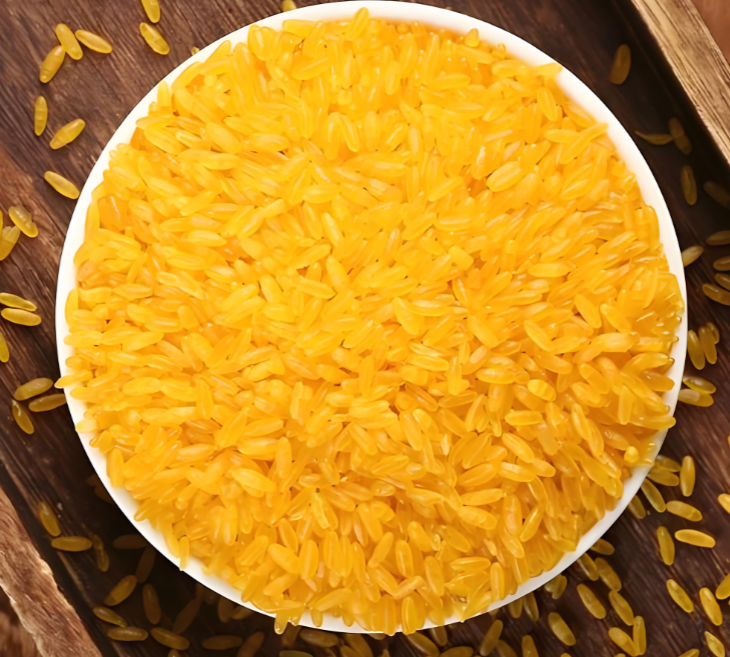
To be accepted by consumers, fortified kernels must look, cook, and taste nearly identical to natural rice. This requires mastery over the twin-screw extrusion process, where the premix is blended with rice flour, water, and emulsifiers, then cooked under high pressure and temperature before being shaped and cut.
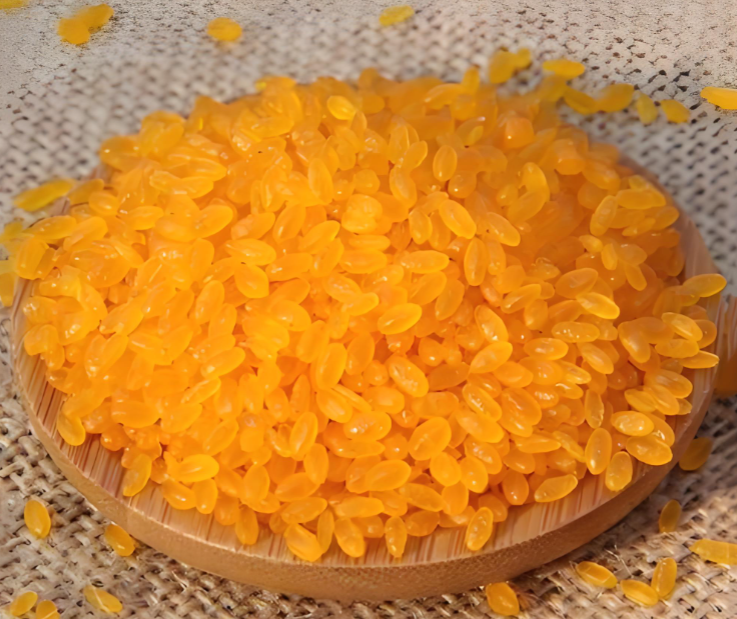
- The Critical Factor: Temperature management. If the extrusion temperature is too low, the starch does not fully gelatinize, resulting in a chalky, brittle kernel that breaks during milling. If it is too high, the heat-labile vitamins (especially B-vitamins and vitamin A) degrade significantly.
- The Benchmark: The extruded kernel must withstand the rigorous abrasion of commercial rice polishers and the alkaline conditions of parboiling. Achieving a specific gravity and hardness similar to that of raw milled rice is non-negotiable to prevent “floating” or “clumping” during cooking.
3. Dilution Uniformity (The Homogeneity Imperative)
The golden rule of fortification is that a single cup of cooked rice should contain the same nutrients as any other cup. Typically, fortified kernels are blended with natural milled rice at a ratio of 1:100 to 1:200. Achieving this macroscopic homogeneity is far more difficult than it sounds.
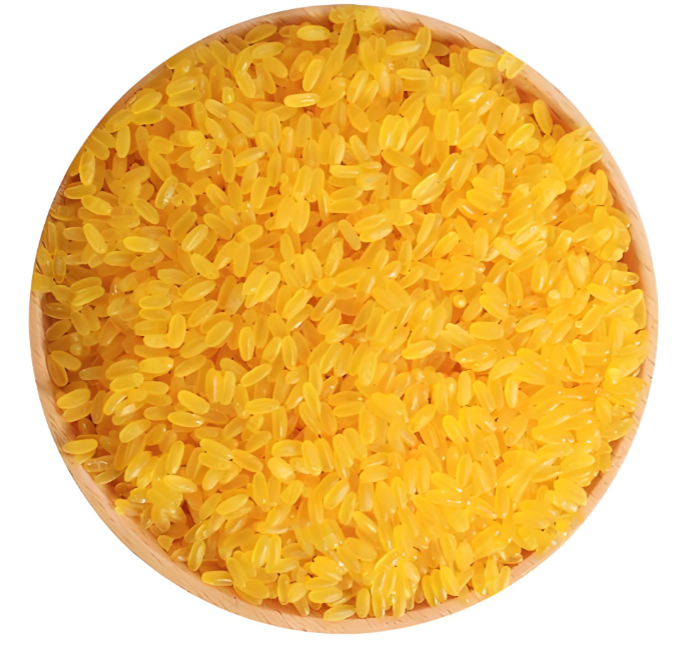
- The Physical Law: Fortified kernels have a slightly different density, shape, and electrostatic charge than natural rice grains. During bulk handling, vibration causes the heavier, smoother natural grains to migrate downward, while the lighter, rougher fortified kernels rise to the top (the “Brazil nut effect”).
- The Operational Solution: This necessitates the use of high-precision volumetric or gravimetric dosing feeders combined with continuous tumble-blending systems. Furthermore, the blending must occur at the packaging stage—not at the milling stage—to prevent segregation during transport and storage.
4. Post-Processing Coating and Lipid Management (The Rancidity Barrier)
One of the most overlooked yet critical elements is the application of a protective coating on the extruded kernels. Because fortified rice often contains high levels of iron, which acts as a pro-oxidant, the shelf life of the product is perpetually at risk.
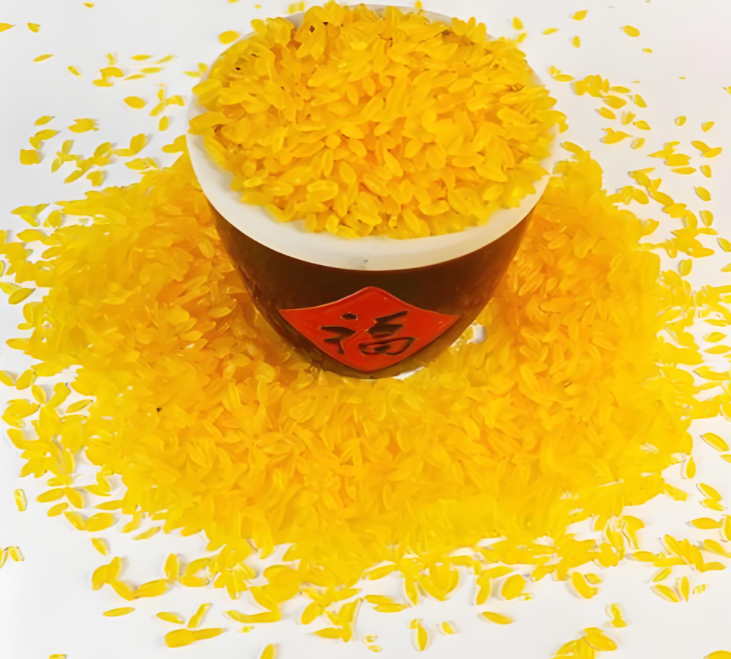
- The Technique: Immediately after extrusion and drying, the kernels must be sprayed with a thin film of food-grade oils (such as medium-chain triglycerides) or waxes. This serves a dual purpose:
- Barrier: It isolates the iron from ambient oxygen and moisture, preventing the development of off-flavors.
- Lubrication: It reduces surface friction, preventing the fortified kernels from scratching the natural rice during polishing, which would create white dust that alerts consumers to “adulteration.”
- The Warning: Insufficient coating leads to rancidity within three months. Excessive coating causes the rice to turn sticky and clumpy during cooking. The margin for error is measured in parts per million.
5. Rigorous Quality Assurance (The Feedback Loop)
Without a robust laboratory and traceability system, the previous four elements are theoretical. Quality assurance for fortified rice is a real-time feedback loop that encompasses raw material intake, in-process checks, and finished product release.

- The Mandatory Tests:
- الفحص البصري: Colorimetry to ensure the fortified kernels are not too yellow or too white against the baseline rice.
- Physical Tests: Abrasion resistance (to simulate milling) and cooking resilience (to ensure they don’t disintegrate after 20 minutes in boiling water).
- Chemical Assays: High-Performance Liquid Chromatography (HPLC) for vitamin levels and Inductively Coupled Plasma (ICP) spectroscopy for minerals must be performed daily, not monthly.
- The Human Factor: Staff must be trained in Good Manufacturing Practices (GMP) to avoid cross-contamination with non-fortified products. Furthermore, a “retain sample” system must be kept for every batch, enabling the manufacturer to track sensory changes over a 24-month shelf-life period.
الخلاصة
Producing fortified rice is an exercise in balancing chemistry, engineering, and consumer psychology. The five elements—premix precision, extrusion mastery, dilution uniformity, lipid coating, and QA rigor—are not sequential steps; they are interdependent systems. A failure in any one element results in a product that is either ineffective (low nutrients), unsafe (rancidity), or rejected (poor taste). By elevating these five pillars to paramount status, producers can deliver a fortified rice that not only saves lives through micronutrient delivery but also earns a permanent place in the daily diet of the consumer.