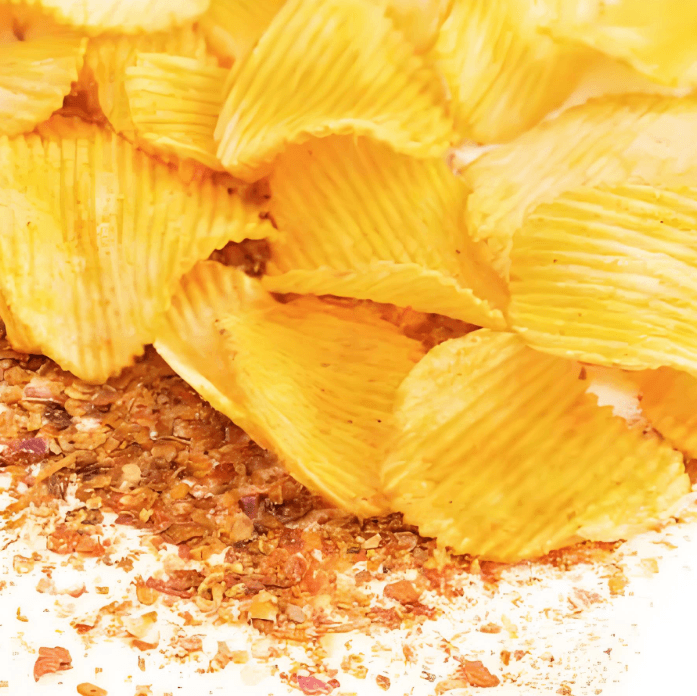
The global aquaculture industry, worth billions of dollars, is built on a seemingly innocuous foundation: the humble fish feed pellet. However, the journey from raw ingredients to the floating or sinking morsels that sustain farmed fish is a process rife with hidden truths. This article aims to expose the manufacturing processes, questionable ingredients, and potential health and environmental hazards that are often concealed behind the veil of industrial food production.
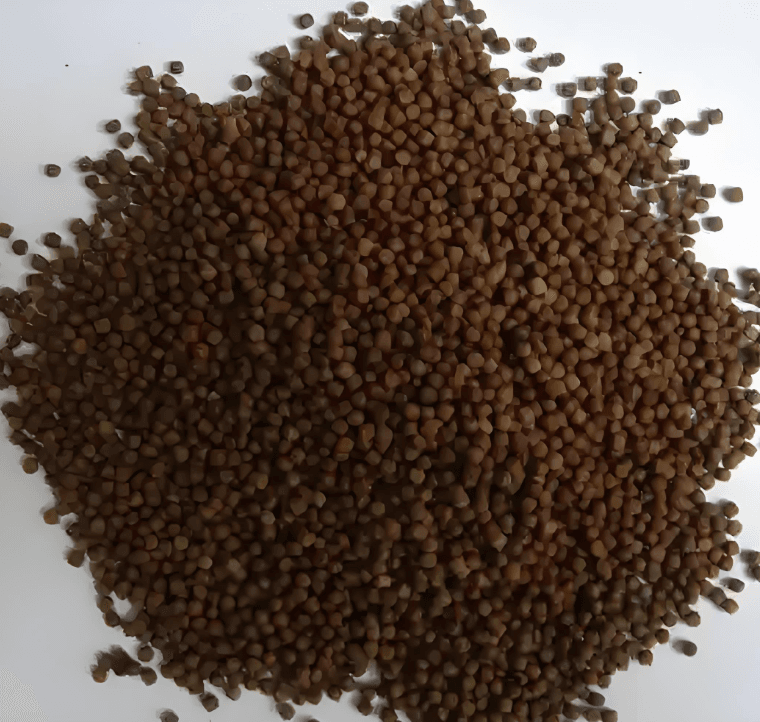
The Illusion of a Clean Process
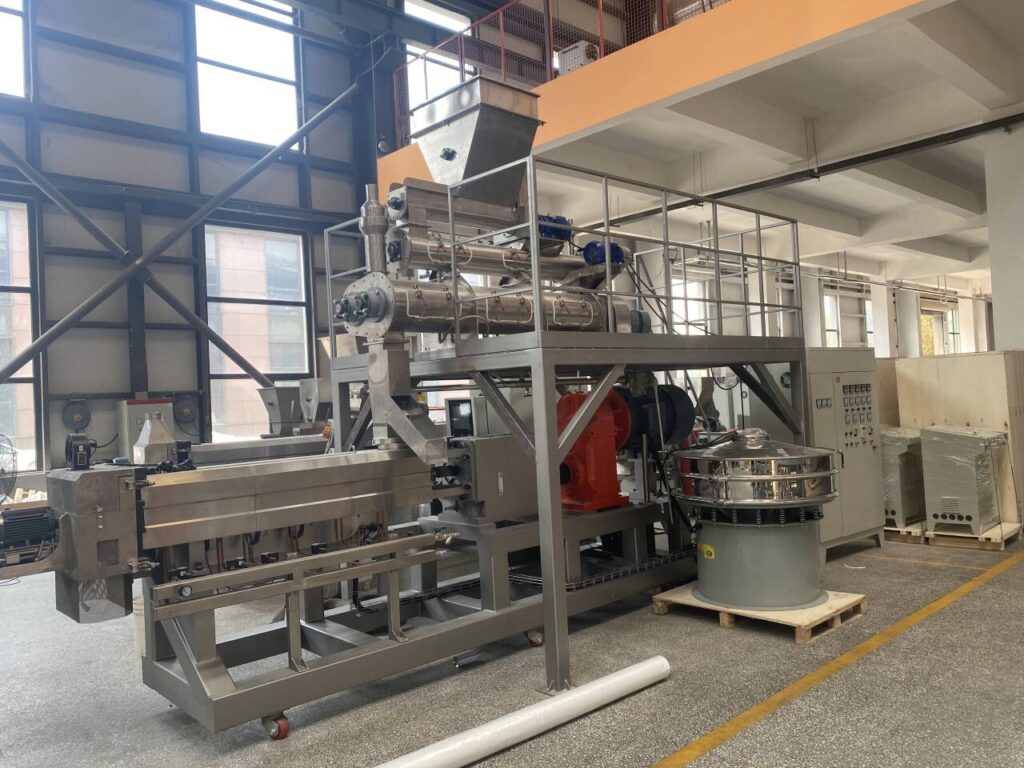
The standard industrial process for producing fish feed is a multi-step operation designed to create a stable, nutritionally dense product. It typically begins with the receipt and cleaning of raw materials, followed by coarse and fine grinding to achieve a very fine powder. This is necessary because fish have short digestive tracts and require highly digestible feed. The powdered ingredients are then mixed, often in two stages, with the second mix incorporating heat-sensitive additives like vitamins, enzymes, and pigments.
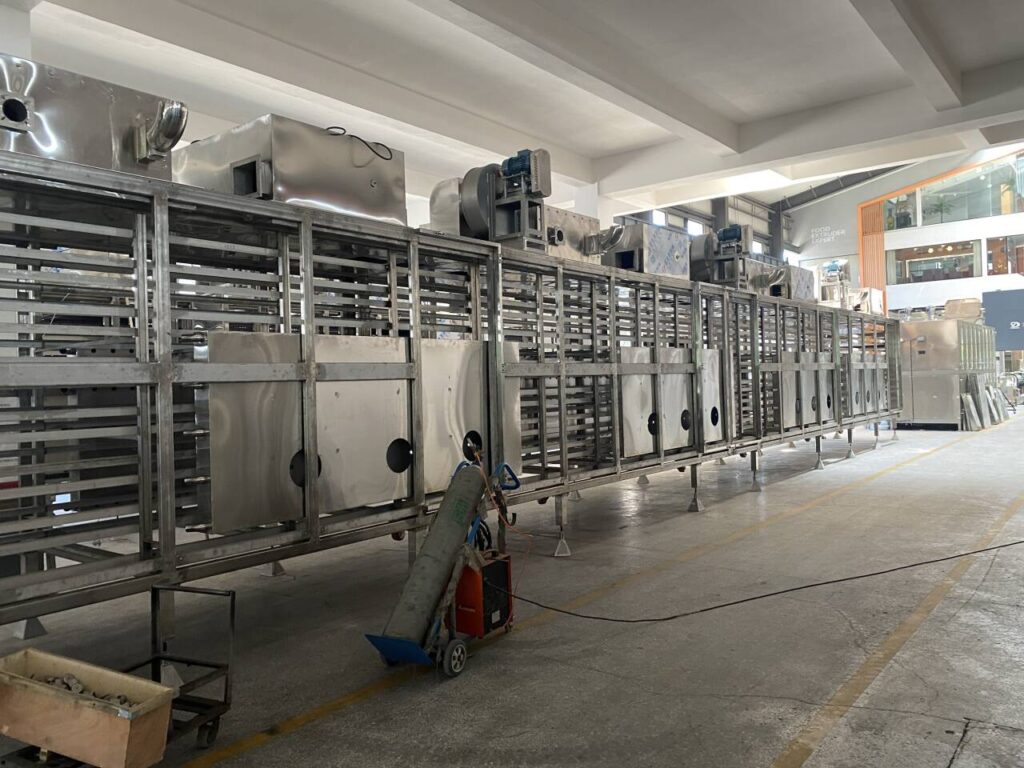
The core of the process is البثق, a high-temperature, high-pressure cooking method. A mix of ingredients and steam is forced through a die, and the sudden drop in pressure causes the pellets to expand. This process is intended to improve digestibility and create a pellet that is stable in water. Following extrusion, the pellets are dried, coated with oils and other liquids (a process called “coating”), cooled, and packaged.
What They Don’t Tell You: The Hidden Hazards
While the process sounds clean and scientific, a closer examination reveals several alarming issues.
1. The “Garbage In, Garbage Out” Reality
The quality of the final product is entirely dependent on the quality of its ingredients. An investigation into shrimp feed production in Thailand exposed a shocking reality. Reporters found that unscrupulous producers were using rotten “trash fish” to make feed. The processing plants were described as extremely dirty and foul-smelling. The raw material, consisting of bycatch and dead sea life, was allowed to decompose on fishing boats before being hauled to the factory. This practice is not an isolated anomaly but a dark reflection of an industry where cost-cutting can triumph over quality and safety.
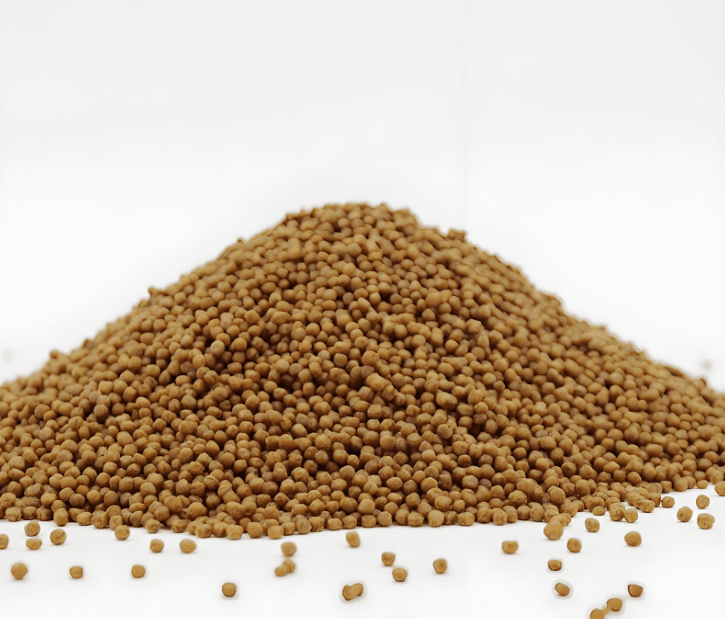
2. The Danger of Over-Processing
Extrusion, while effective, can be a double-edged sword. Some manufacturers, in a bid to make their pellets look more appealing—light and puffy like “small bread rolls”—push the process to dangerous extremes. Achieving an excessive expansion rate (a “膨化度” of over 1.8) requires cranking up the heat and pressure inside the extruder, sometimes creating localized temperatures of up to 200°C (392°F) .
This extreme heat has severe consequences:
- Nutritional Destruction: At temperatures exceeding 195°C, proteins and amino acids can break down. Essential heat-sensitive nutrients are destroyed.
- Toxic Reactions: The high heat and pressure accelerate the Maillard reaction, which reduces the nutritional value of proteins. Even more concerning, these conditions can promote the formation of new, potentially toxic compounds.
- Melamine Formation: Studies have shown that the extrusion process can lead to an increase in the level of melamine (a toxic industrial chemical) in the feed, especially when ingredients already contain trace amounts of urea or similar compounds. The higher the temperature and pressure, the greater the potential for this dangerous chemical to form.
3. A Chemical Cocktail of Additives
To stabilize the final product and extend its shelf life—which is typically 6-9 months—manufacturers heavily rely on chemical additives, particularly antioxidants. Fats and oils in fish feed are highly susceptible to rancidity.
To combat this, the industry has historically used synthetic antioxidants like ethoxyquin, BHA, and BHT. The use of these chemicals is deeply troubling:
- Ethoxyquin, once widely used, has been banned in the European Union due to its adverse health effects. Studies have shown it can impair zebrafish development and alter gene expression, raising serious questions about its safety for other animals and potentially humans who consume farmed fish.
- BHA and BHT are also “under scrutiny” for their potential health risks, including carcinogenicity. Even though the EU banned ethoxyquin in 2017, these other potentially harmful substances are still in use.
An Environmental Catastrophe
The problems with fish feed extend far beyond the factory floor and into the global ecosystem.
The primary source of protein for fish feed has traditionally been fishmeal و fish oil, made from wild-caught forage fish like anchovies and sardines. This practice has devastating environmental consequences:
- Depleting the Ocean: Hundreds of billions to over a trillion of these small fish are caught annually for this purpose. These fish are the cornerstone of marine food webs, and their removal jeopardizes the health of larger fish, marine mammals, and seabirds.
- Unsustainable Practices: The production of fishmeal is a leading contributor to the aquaculture industry’s massive environmental footprint, accounting for between 57% and 94% of its greenhouse gas emissions.
While the industry is slowly shifting towards plant-based proteins like soy, this solution is not without its own significant problems, such as deforestation and biodiversity loss.
Conclusion: A System in Need of Overhaul
The manufacturing of fish feed is a critical yet deeply flawed pillar of the modern food system. It is a process that can transform rotten fish into a shelf-stable pellet, destroy nutrients with excessive heat, and rely on a cocktail of potentially harmful chemicals, all while plundering the oceans for raw materials. The lack of transparency in the supply chain is a recurrent criticism, leaving consumers and even farmers in the dark about what is truly in the feed. The industry must embrace more sustainable ingredients, stricter quality controls, and cleaner, more transparent processing methods. Until then, every bite of farmed fish carries a hidden cost that we are only beginning to understand.